
For automotive enthusiasts looking to upgrade their wheels, switching from a 4-lug to a 5-lug pattern is a common modification. Many real-world applications have demonstrated that 4 to 5 lug adapters can be used safely when selected and installed correctly. These adapters mount between the vehicle’s hub assembly and the wheels, relying on the same clamping force from OEM lug studs and nuts to secure everything in place. This approach preserves the original factory fastening method, meaning that as long as the hardware is torqued properly, the adapter and wheel remain securely positioned without compromising integrity.
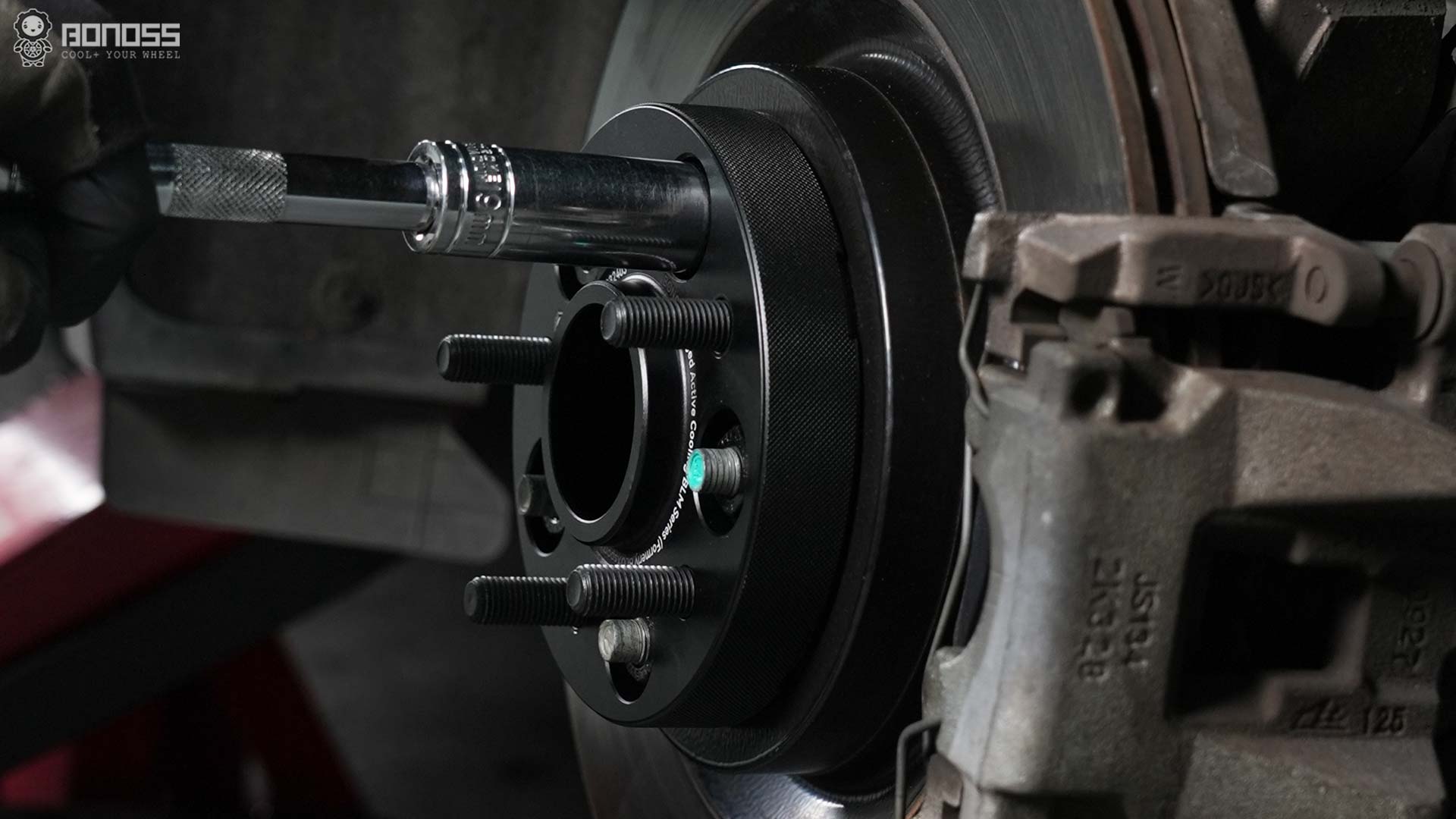
However, not all adapters are built alike. Choosing the right product is essential for maintaining both performance and safety on the road. By opting for high-quality adapters and following proper installation practices, you can confidently enjoy the benefits of this upgrade. Here are the key factors to consider when selecting the safest 4 to 5 lug adapters.
Accurate Sizing
Using adapters with the correct dimensions is critical. If the adapter is too thin, it may not provide the desired wheel offset or clearance. Conversely, an overly thick adapter can cause tire contact with the fender during cornering. Always cross-reference your vehicle’s specifications or seek advice from a trusted professional to determine the ideal thickness for your setup.
Hub-Centric Design
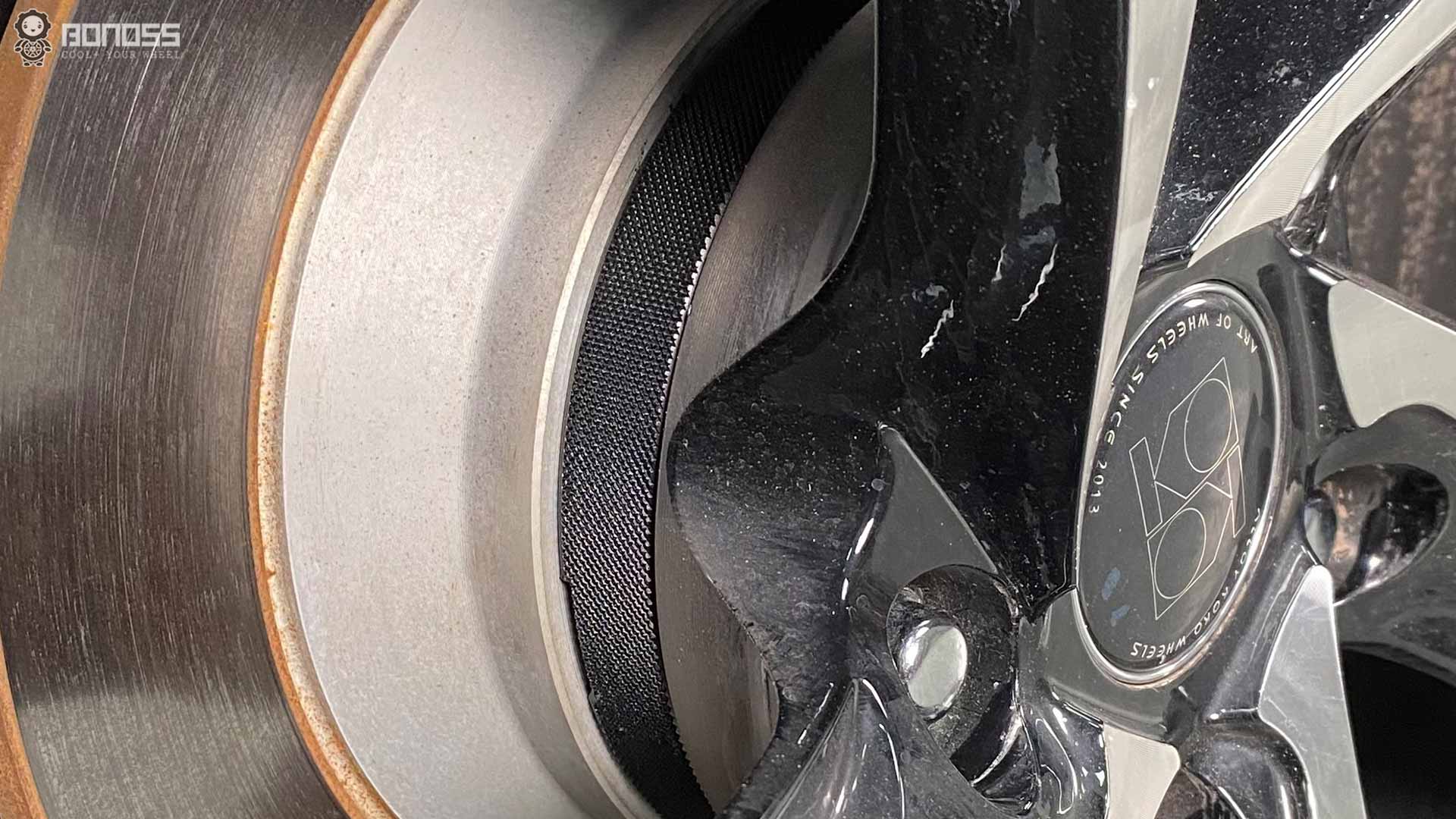
Hub-centric adapters are widely regarded as safer than lug-centric versions. These adapters are precision-engineered to match the vehicle’s hub diameter, creating a snug, vibration-free fit. By aligning precisely with the hub, they ensure that the vehicle’s weight is supported by the hub itself rather than placing excess stress on the studs. This design significantly reduces the risk of wheel wobble and enhances stability.
For example, BONOSS forged active cooling hub-centric 4 to 5 lug adapters feature a multi-stage hub-centric design. The concentric rings are machined with beveled layers that interface seamlessly with the hub flange, eliminating gaps. With CNC precision down to 0.02mm, these adapters achieve an exceptional surface finish, promoting better contact and safer driving dynamics.
Premium Materials
The material composition of wheel adapters plays a vital role in their durability and performance. For performance-oriented applications, forged aluminum adapters are often the top choice due to their ideal balance of strength and light weight. They are built to endure high-speed driving and challenging road conditions without failure.
BONOSS adapters, for instance, are constructed from aircraft-grade 6061-T6 and 7075-T6 aluminum alloys. The 7075-T6 variant offers a tensile strength of up to 572 MPa and a yield strength of 503 MPa. Through advanced forging techniques, these adapters gain superior impact resistance, ensuring long-term reliability.
Trusted Brands
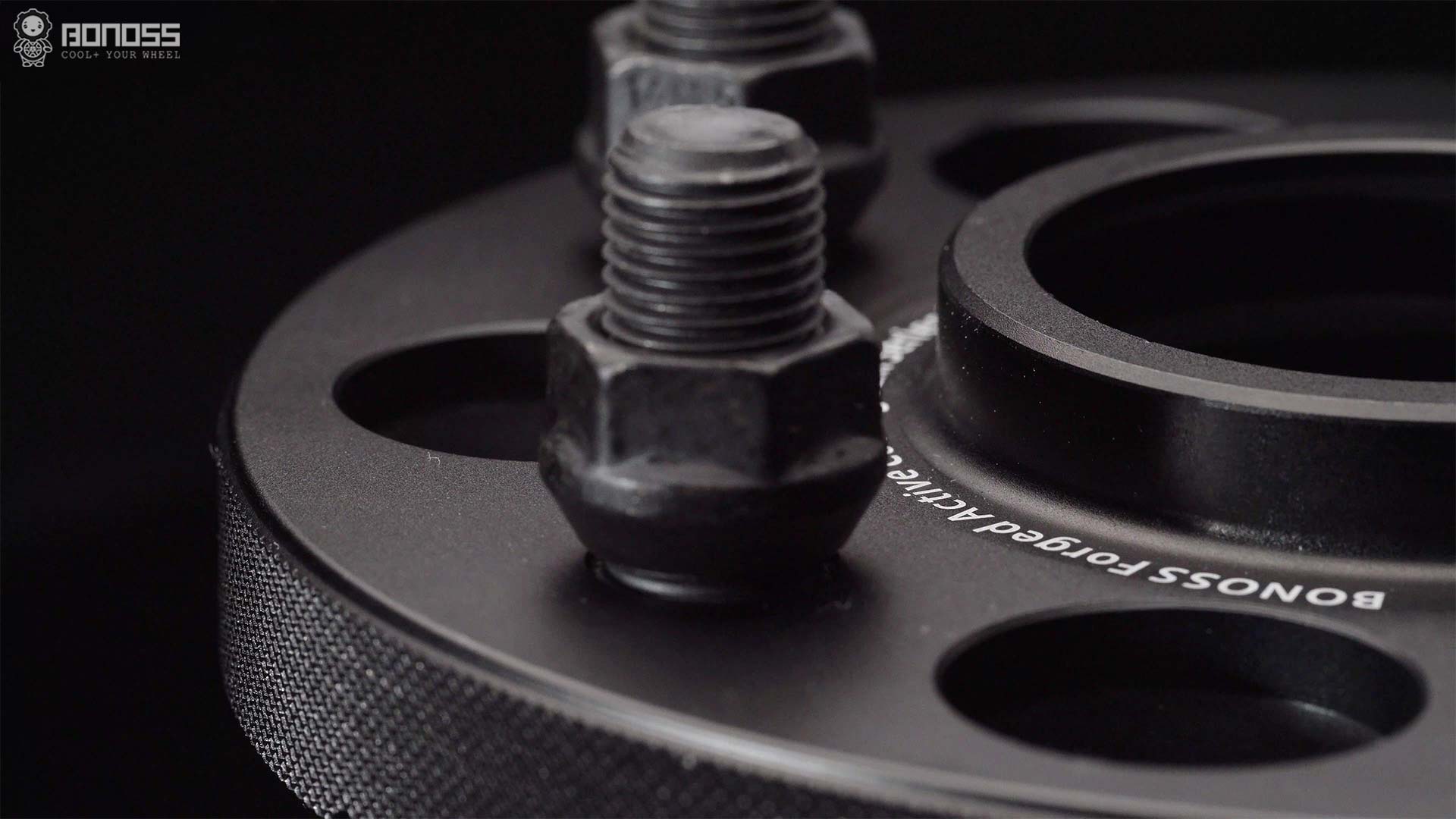
Selecting adapters from reputable manufacturers with a solid industry track record is a smart move. Brands that prioritize rigorous testing and quality control are more likely to deliver products you can depend on. BONOSS, for example, focuses on designing wheel accessories that enhance both aesthetics and performance. Their forged active cooling adapters include innovative petal-shaped grooves on the backside. These grooves promote airflow, drawing in cooler external air to dissipate heat from the braking system during rotation. This active cooling feature helps maintain optimal brake temperatures, contributing to safer operation.
By paying attention to these factors—proper sizing, hub-centric design, high-quality materials, and brand reputation—you can make an informed decision that prioritizes safety and performance. Always consult with experts or trusted sources to ensure your modification meets the highest standards.