
When it comes to modifying your F150, wheel spacers are a popular option that’s generally legal—but it’s important to understand the specifics. As long as your tires remain within the coverage of your fenders and the spacers are installed correctly, you shouldn’t run into legal issues. Always verify local laws by checking with state transportation agencies or local law enforcement to ensure compliance.
How to Ensure Your F150 Wheel Spacers Are Safe and Compliant?
Several factors influence whether wheel spacers are both safe and street-legal in your area:
Spacer Thickness:
Different states have different rules regarding how far you can push your wheels outward. Exceeding recommended spacer thickness can cause tires to stick out past the fender—which is not only unsafe but also illegal in many jurisdictions. To avoid issues, make sure you select a spacer thickness that aligns with your state’s modification laws.
Material and Build Quality:
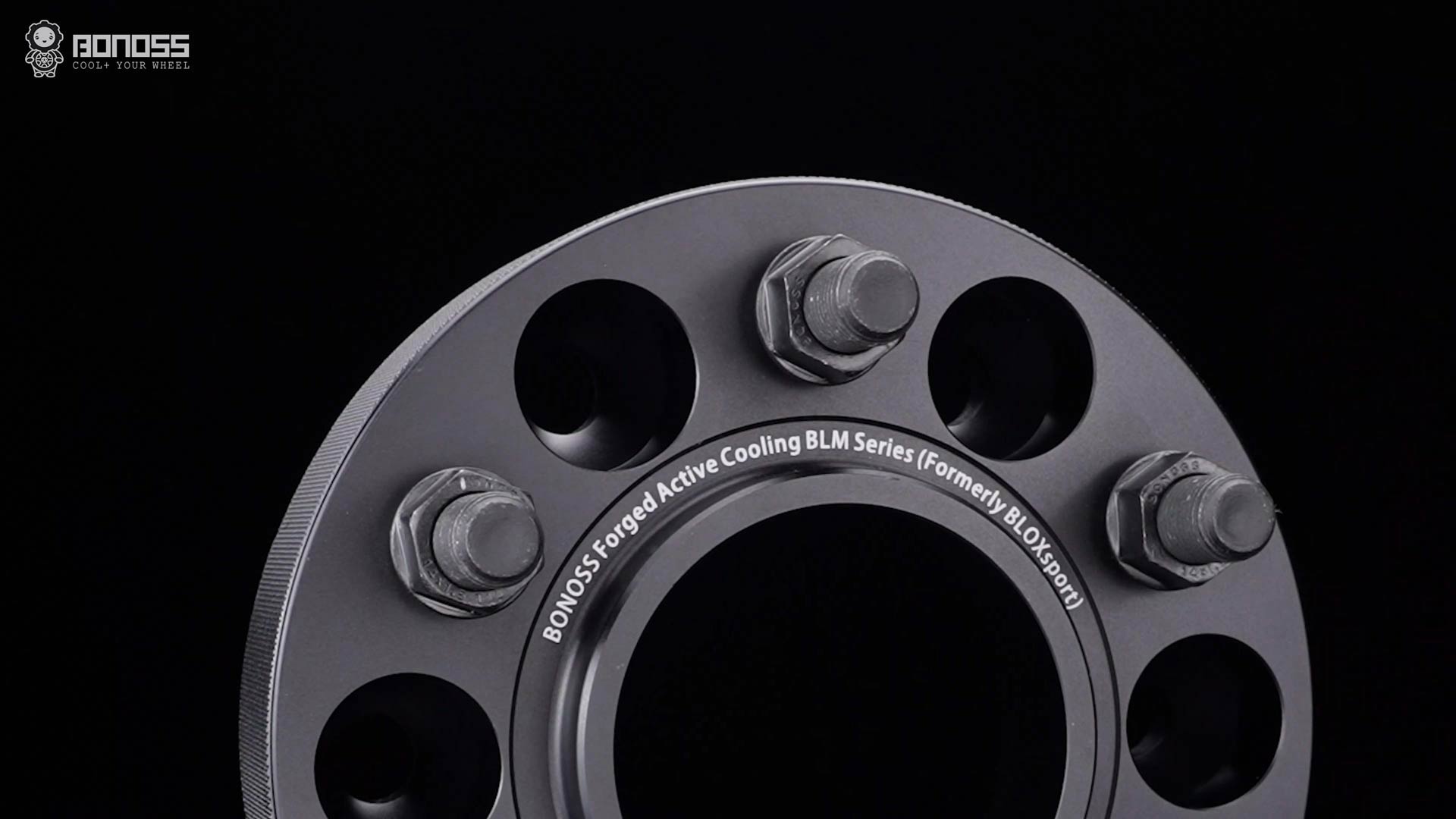
Not all spacers are created equal. For a truck like the F150, it’s crucial to choose spacers made from high-strength materials such as forged aerospace-grade aluminum. alloys like 6061-T6 or 7075-T6 offer superior durability and heat dissipation—critical for maintaining brake performance, especially under heavy use or off-road conditions.
Brands like BONOSS specialize in active cooling spacers designed specifically for the F150. These models feature integrated cooling grooves that help reduce brake heat buildup, extend the life of your brake components, and enhance driving safety. Their products undergo rigorous testing (including TÜV and SGS certifications) and are known for exceptional tensile strength and fatigue resistance.
Intended Use:
Your driving style should influence your spacer selection. For daily driving and moderate off-roading, 6061-T6 aluminum spacers offer a reliable balance of strength and value. For more intense off-road use or high-performance demands, upgraded options like 7075-T6 spacers provide extra resilience and thermal management.
Installation: Do You Need to Trim OEM Studs?
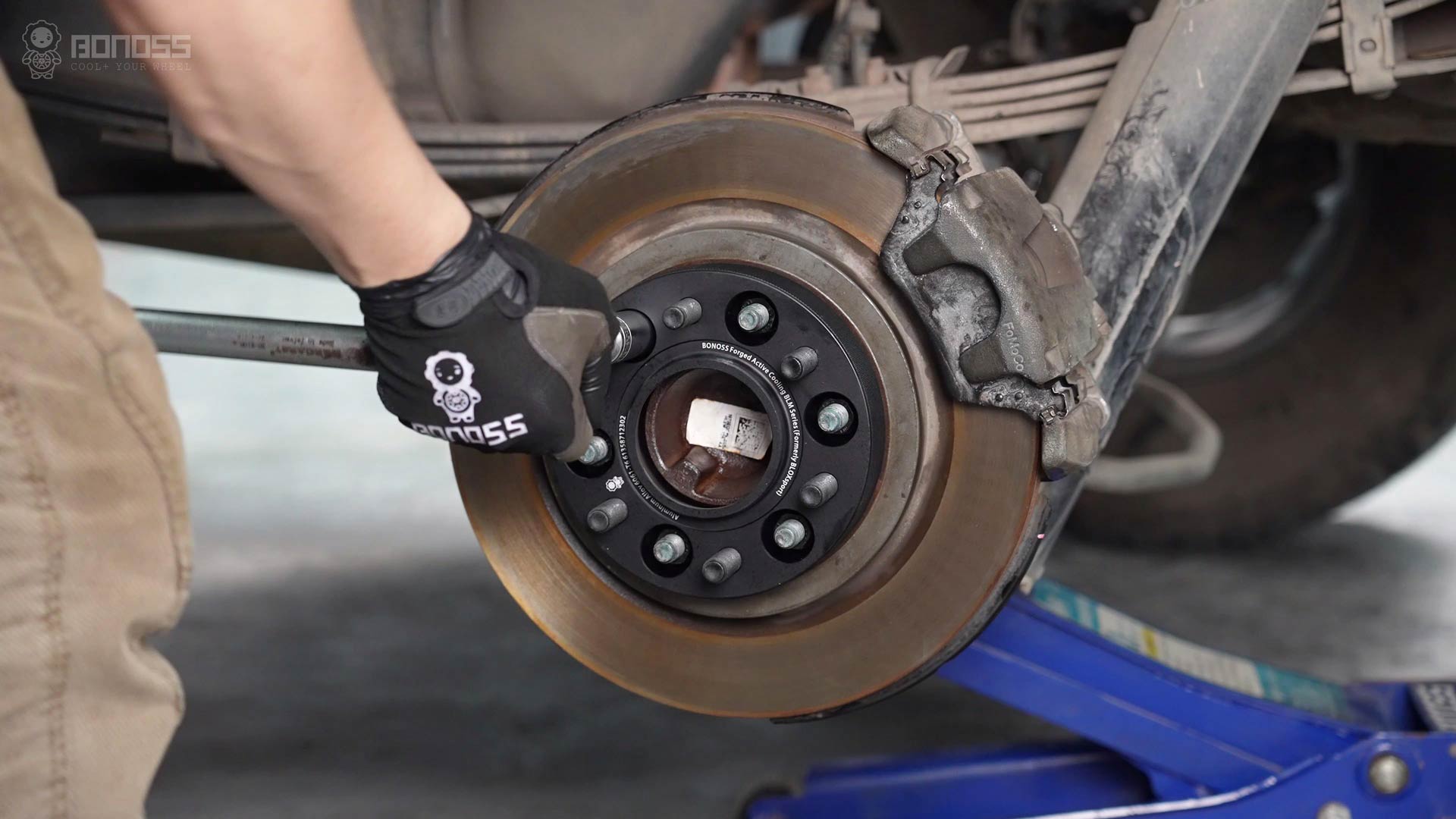
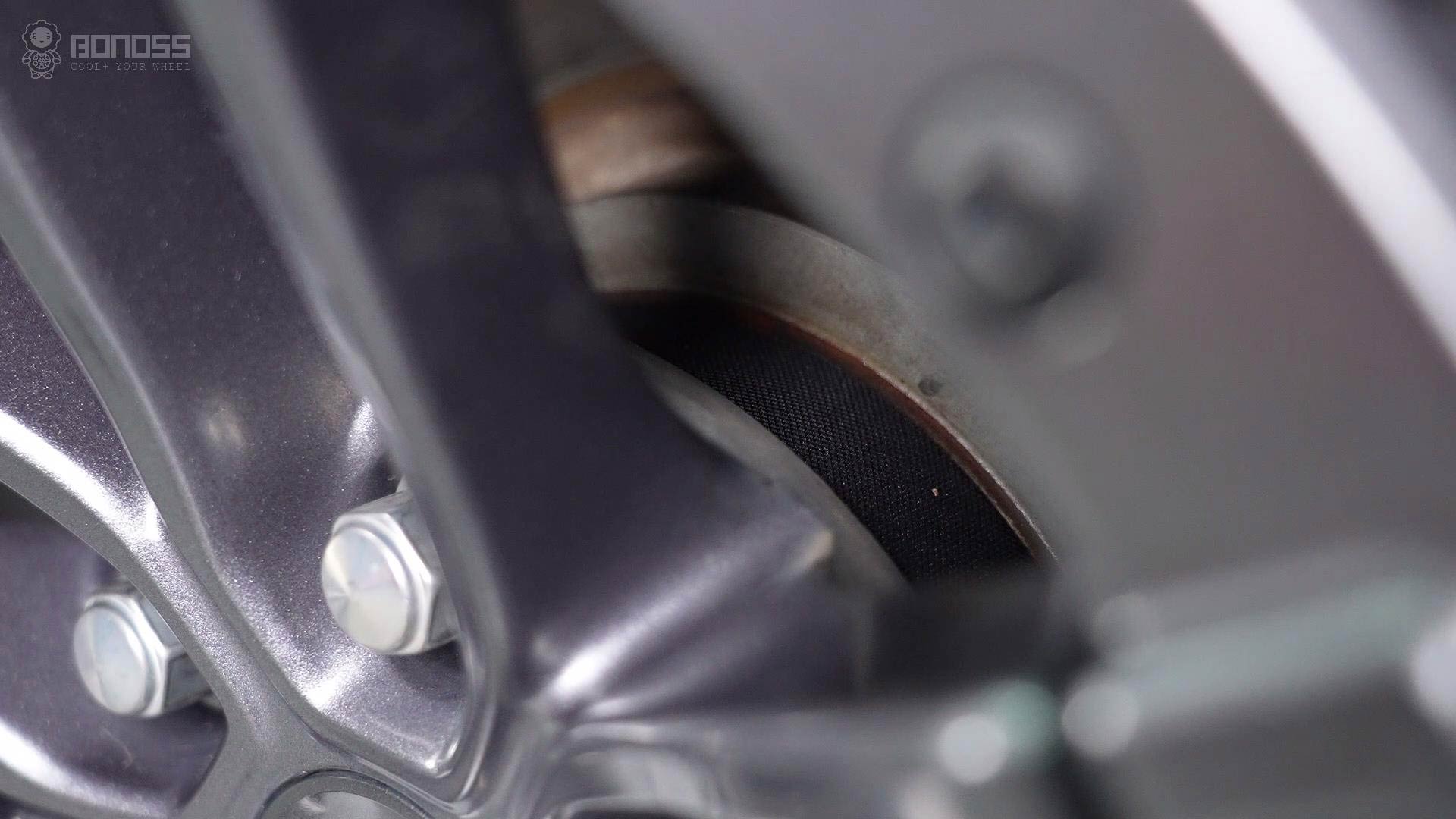
In many cases, you won’t need to cut your factory wheel studs—so long as your wheels have enough cavity depth to accommodate any protrusion. If you opt for bolt-on spacers (which come with their own integrated studs), the process becomes even simpler: just mount the spacer onto the hub, torque it properly, and then mount the wheel. Brands like BONOSS use high-grade ISO 12.9 studs, which exceed OEM specs for strength and safety, helping ensure a secure connection between the hub, spacer, and wheel.
Ultimately, investing in quality wheel spacers from a trusted manufacturer can improve both the stance and performance of your F150—without compromising on safety or legality.