
When running 5×120 wheel spacers, using the correct torque specs isn’t just a recommendation—it’s a must for safety and performance. The general torque range for these spacers falls between 83.3 ft-lbs (113 Nm) and 103.5 ft-lbs (140 Nm), depending on your lug bolt size. Ignoring these numbers can lead to serious issues: under-tightening may cause wheel wobble or detachment, while over-tightening risks stripping threads or damaging hubs and wheels.
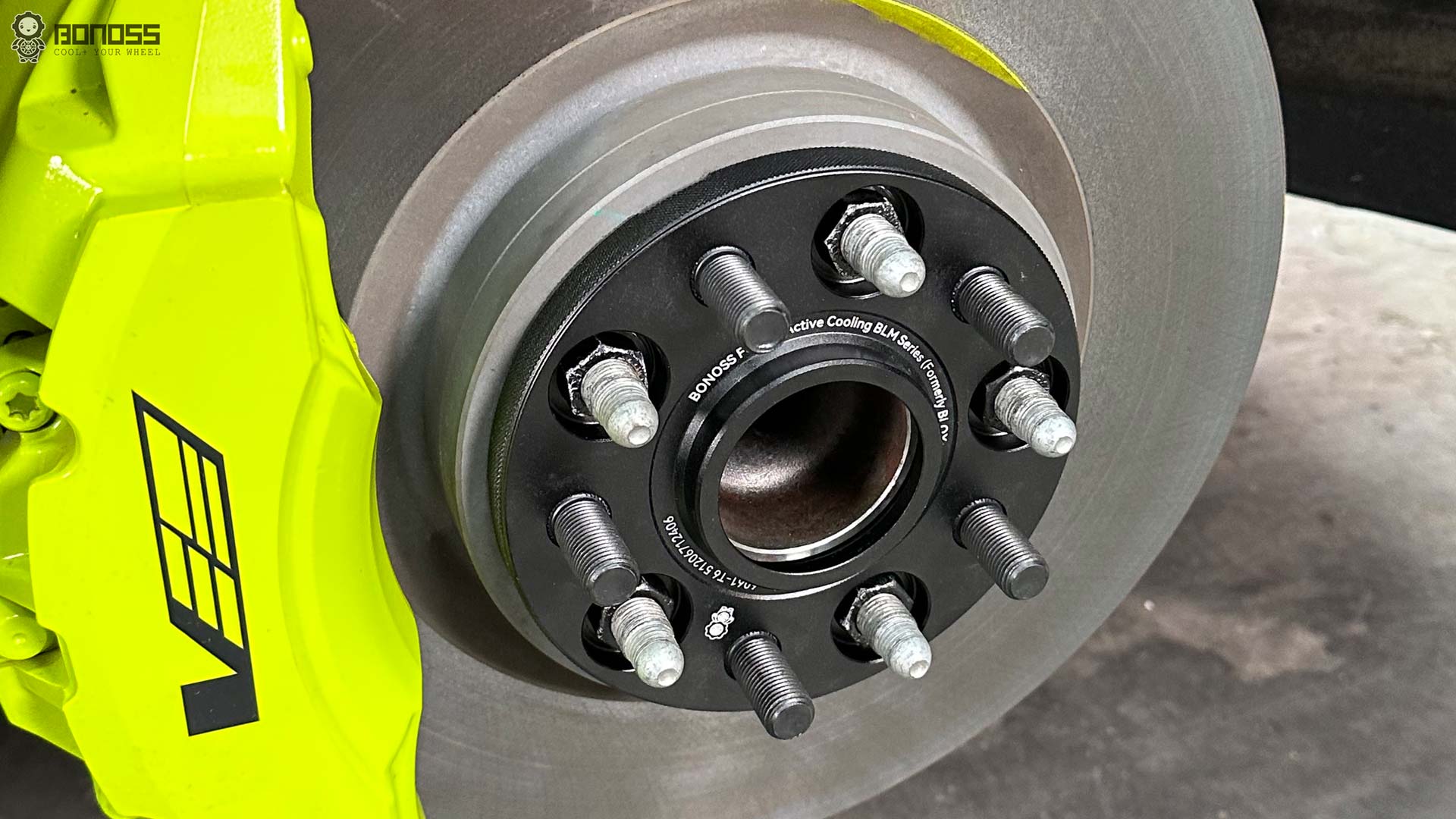
Always use a calibrated torque wrench and follow a star or criss-cross tightening sequence. This ensures even clamping force and prevents warping or uneven stress. Check your vehicle’s manual or consult a trusted technician to confirm specs for your specific setup—especially since thread size directly impacts torque requirements.
Step-by-Step Installation Guide
Installing 5×120 wheel spacers is straightforward if you’re comfortable working on your vehicle. While shops typically charge around $100 per hour for spacer installation, many enthusiasts opt for a DIY approach. If you’re new to spacers, though, having a pro handle it is a smart move.
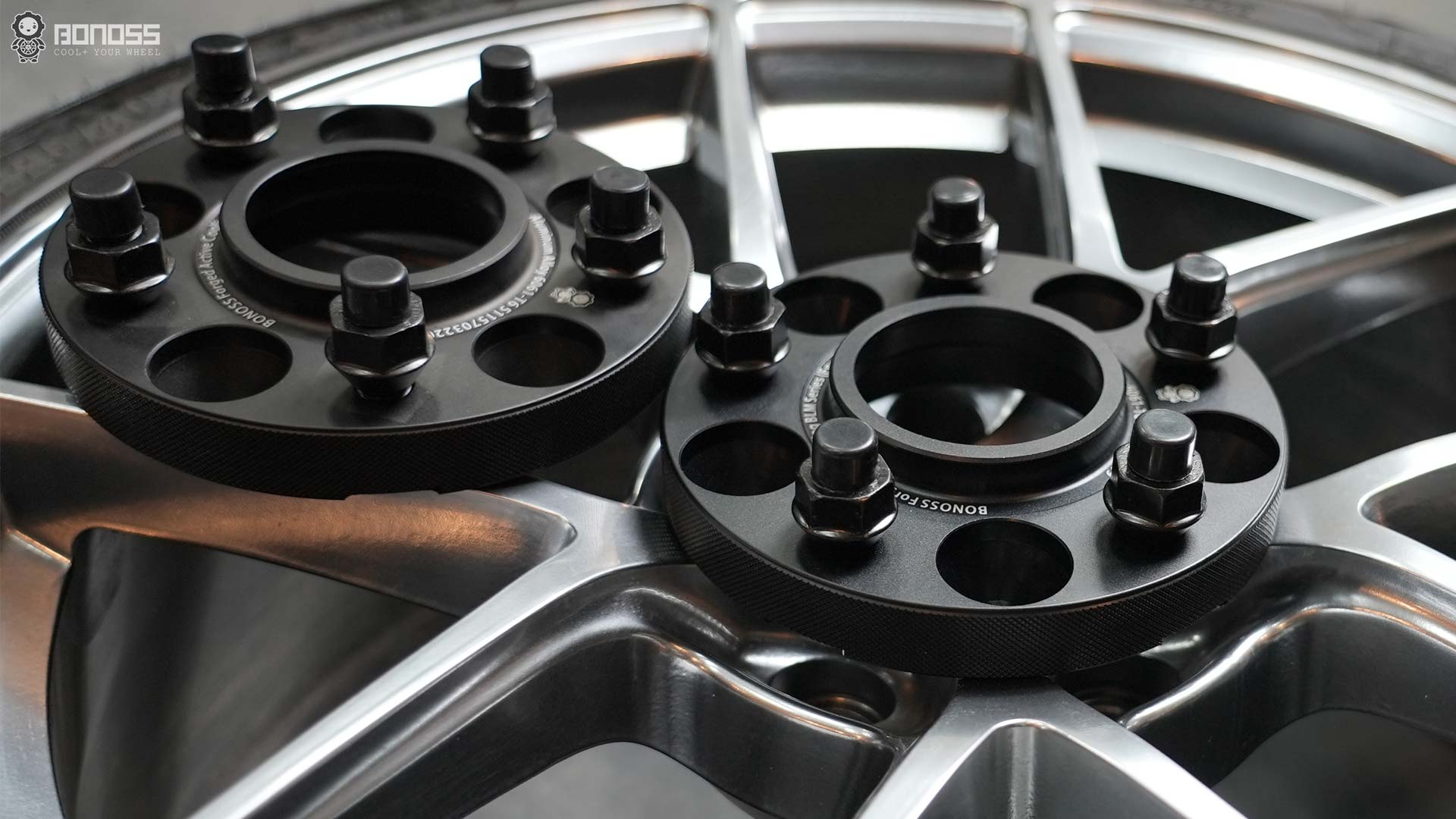
Tools You’ll Need:
- Floor jack and jack stands
- Lug wrench or impact tool (for breaking torque)
- Torque wrench
- Your spacer kit (with included hardware)
Step 1: Remove the Wheel
Loosen lug nuts while the car is on the ground, then lift the vehicle and remove the wheel completely.
Step 2: Mount the Spacer
Clean the hub surface thoroughly. Slide the spacer onto the studs, making sure it sits flush and hub-centric. Secure it with the provided lug nuts or bolts.
Step 3: Torque to Spec
Using your torque wrench, tighten lug nuts gradually in a star pattern to the manufacturer-recommended value. Do not exceed the specified torque.
Step 4: Remount the Wheel
Place the wheel back onto the spacer. Properly tighten the lug nuts in a criss-cross pattern.
Step 5: Safety Check
Lower the vehicle and re-torque the lugs after a short drive. Listen for unusual noises or vibrations, and double-check for any movement.
Why Spacer Quality Matters?
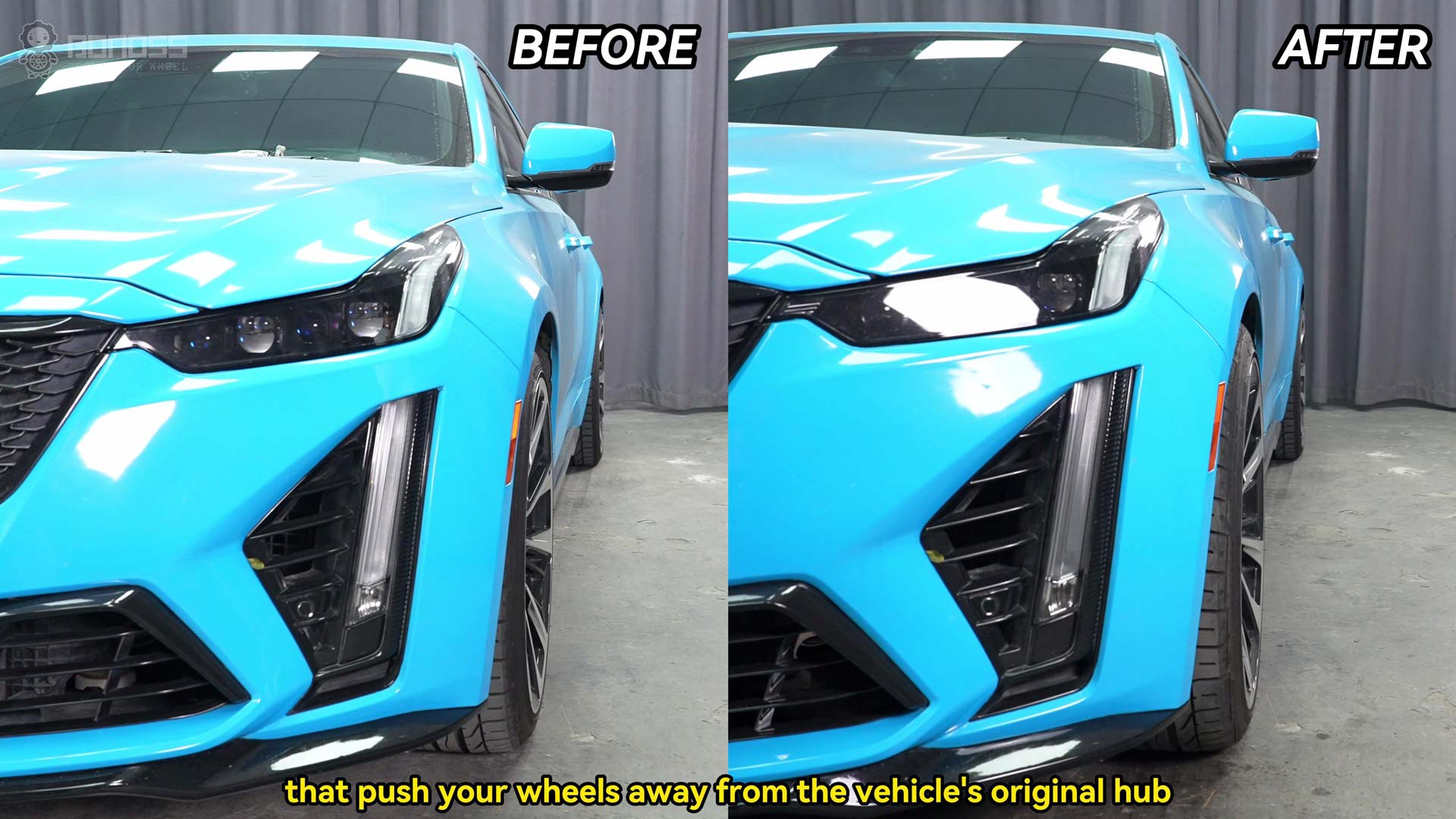
Not all spacers are created equal. Choosing a reputable brand like BONOSS ensures you’re using aerospace-grade forged aluminum (6061-T6 or 7075-T6) that’s CNC-machined to ultra-tight tolerances (within 0.02mm). Their active cooling spacers also feature heat-dissipation grooves, which improve brake cooling and reduce thermal fade—key for performance driving.
Whether you’re pushing stance or performance, doing it right means using the right parts, the right torque, and the right technique. Stay safe and enjoy the flush fit.