
Getting the lug nut torque correct is non-negotiable when installing wheel spacers on your truck. The recommended torque range typically falls between 83.3 ft-lbs (113 Nm) and 103.5 ft-lbs (140 Nm), but the exact spec depends on your wheel stud’s thread size.
- M14 studs/nuts: Tighten to 103.5 ft-lbs (140 Nm)
- M12 studs/nuts: Tighten to 83.3 ft-lbs (113 Nm)
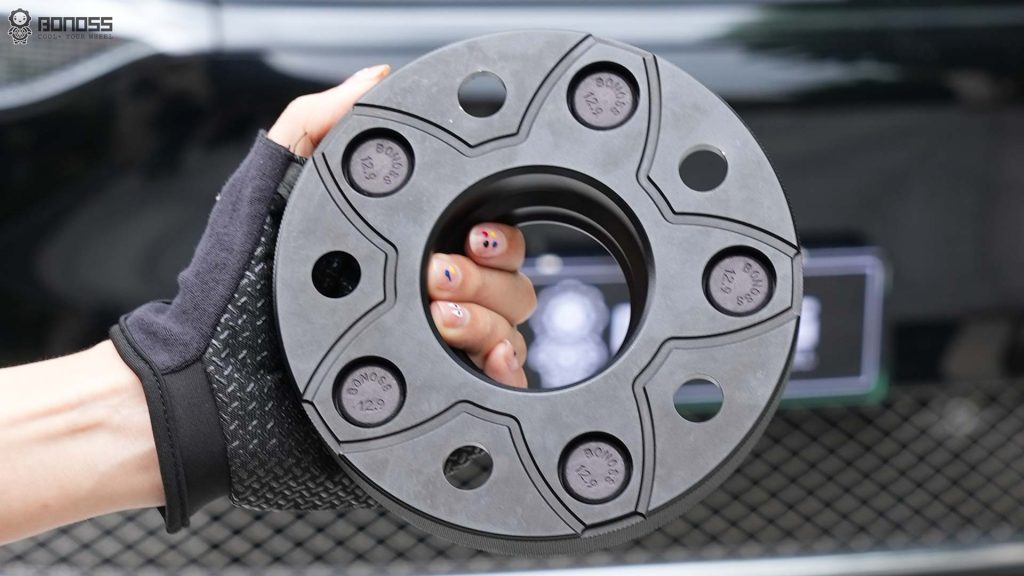
Remember, specific wheels or applications might require slightly different torque values. Always confirm the precise spec for your truck. Using a high-quality torque wrench is essential – incorrect torque (too loose or too tight) risks wheel separation, stud damage, or excessive wear. Consulting a qualified tire or suspension shop before installation is highly recommended.
Installing Truck Wheel Spacers: A Step-by-Step Guide
While installing spacers is straightforward for many enthusiasts, precision is critical:
- Gather Tools: Jack, jack stands, lug wrench, torque wrench, and the correct spacer kit.
- Remove Wheel: Loosen lugs, safely lift the truck, and remove the wheel.
- Mount the Spacer: Ensure the spacer sits flush and centered on the hub. Secure it using the provided lug nuts.
- Remount Wheel: Place the wheel onto the spacer. Hand-tighten lug nuts, then gradually tighten in a star pattern to ensure even seating.
- Final Torque: Use your torque wrench to tighten the lug nuts to the manufacturer’s specified value.
- Re-check Torque: After driving 50-100 miles, re-check the torque.
Safety First: If you’re not experienced with suspension/wheel work, professional installation is the safest bet.
Are Wheel Spacers Safe for Your Truck?
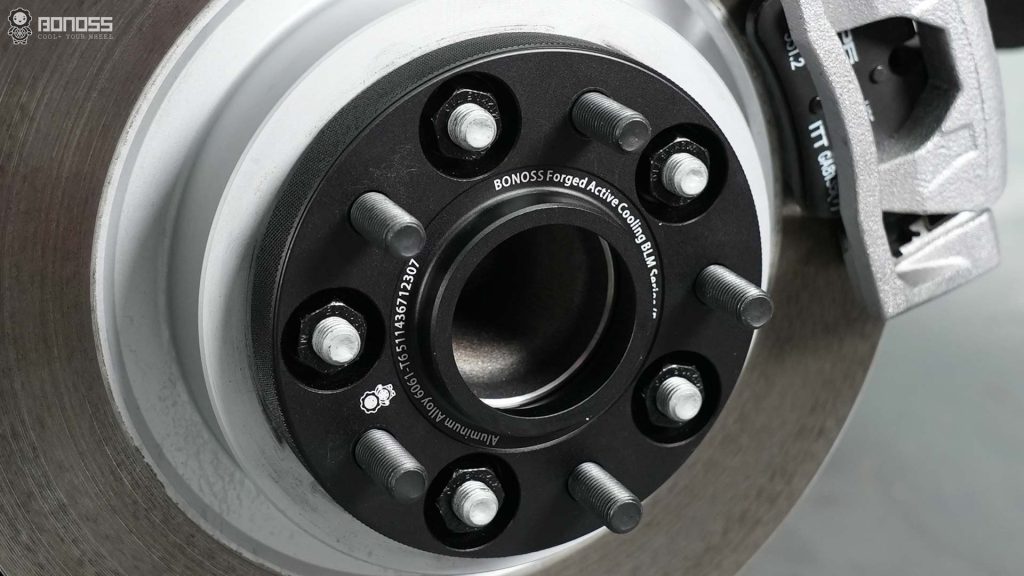
Safety is paramount. The good news: high-quality hub-centric wheel spacers, when properly installed using the correct torque, are generally safe for trucks. The key is investing in reputable products engineered for the demands of your vehicle.
Top spacer manufacturers use materials like aerospace-grade 6061-T6 or 7075-T6 aluminum alloy, forged under immense pressure. This forging process creates a uniform grain structure, resulting in exceptional strength and durability.
For example, spacers made from AL7075-T6 can achieve a tensile strength exceeding 572 MPa and a yield strength over 503 MPa. This translates to a spacer that’s incredibly strong while minimizing added unsprung weight. Choosing a spacer built to these standards is crucial for peace of mind.
Understanding Wheel Spacer Legality in the US
Legality regarding wheel spacers primarily depends on state regulations within the US. Generally, using high-quality, hub-centric spacers with a professional installation is acceptable across most states. A critical factor is ensuring your wheels and tires remain covered by the fenders and do not extend beyond the vehicle’s body line – this is often checked during state inspections.
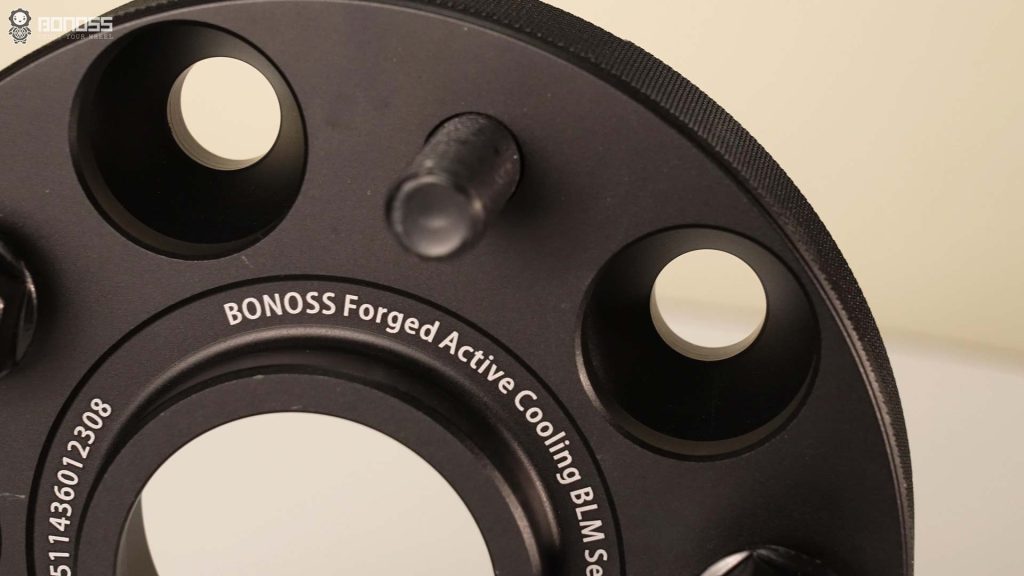
Why Brand Reputation Matters: Established brands invest heavily in R&D, rigorous testing, and quality control to meet stringent safety standards. Look for manufacturers that provide verifiable third-party certifications. For instance, brands like BONOSS submit their spacers and included hardware (such as ISO Grade 12.9 studs and Grade 10 lug nuts) for testing by independent agencies like SGS or TÜV, providing documented compliance reports (over 75 cases). While TÜV certification is a European standard often required there, having these extensive SGS/TÜV test reports demonstrates a significant commitment to quality and safety that resonates globally.
Performance Bonus: Some premium forged spacers incorporate active cooling designs, like petal-shaped grooves. As the wheel rotates, these grooves channel airflow through the spacer, helping to dissipate heat from the braking system – a welcome benefit, especially for trucks under heavy load or towing.