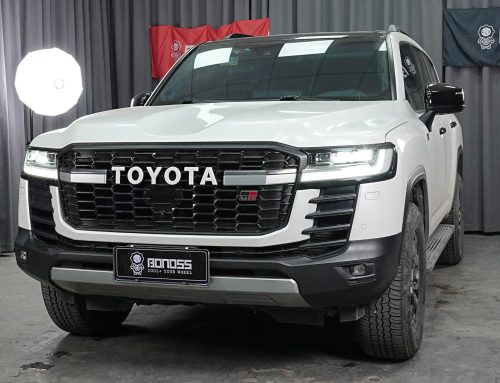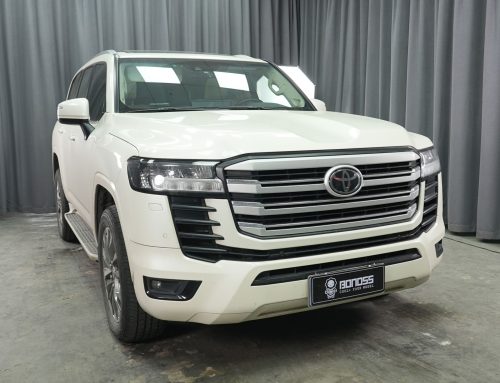
Using wheel spacers of proper thickness will not cause any rubbing issues. They are designed for aesthetic and fitment purposes. By creating clearance to interior wheel well components, they allow for fitting larger wheels and tires without rubbing issues. To improve the appearance and performance, increasing the wheels and tires size has now become a common modification for a variety of vehicles. However, the original components like wheel well, fender, springs, struts, steering linkage, and tie rods have been set properly around the OEM wheels and tires. Changing wheel and tire size will change the wheel offset, without wheel spacers, they are possible to rub against these close-proximity components. Even if the same size of the wheel or tire, changing wheel offset will make the tires’ position different, so that rubbing occurs. This is the reason why using too thick wheel spacers would make the tires rub against the fender, the wheel offset has been changed. If the wheel offset doesn’t match your vehicle, then it has a pretty high chance of tire rubbing.
How Big of A Wheel Spacer is Safe?
The thicker wheel spacers you install, the greater distance that the wheels will be moved outwards. The more interior clearance is increased, but the higher chance you may rub the fender or wheel well liner. To figure out how big of a wheel spacer is safe, it is necessary to measure the fender clearance.
- Firstly, park the car in a safe level area, leave the wheels in contact with the ground. Place a straight edge ruler on the outermost edge of the tires where comes nearest to the fender line. Make sure the ruler is firmly in contact with the tire edge and the fender. If you don’t have a straight edge ruler, you can use a stick with a straight side instead.
- Then, use a tape measure, measure from the inside lip of the fender well to the inside of the straight edge. This distance is the size spacer you will need to get the wheels flush with the fender and the maximum distance that wheels will not rub the fender.
- For some vehicles (mostly sedans, coupes), it is highly recommended to run wheel spacers that are a little smaller than the measured distance. This is effective to prevent the wheels from rubbing against the fender or wheel well liner.
Are Wheel Spacers the Same as Offset Wheels?
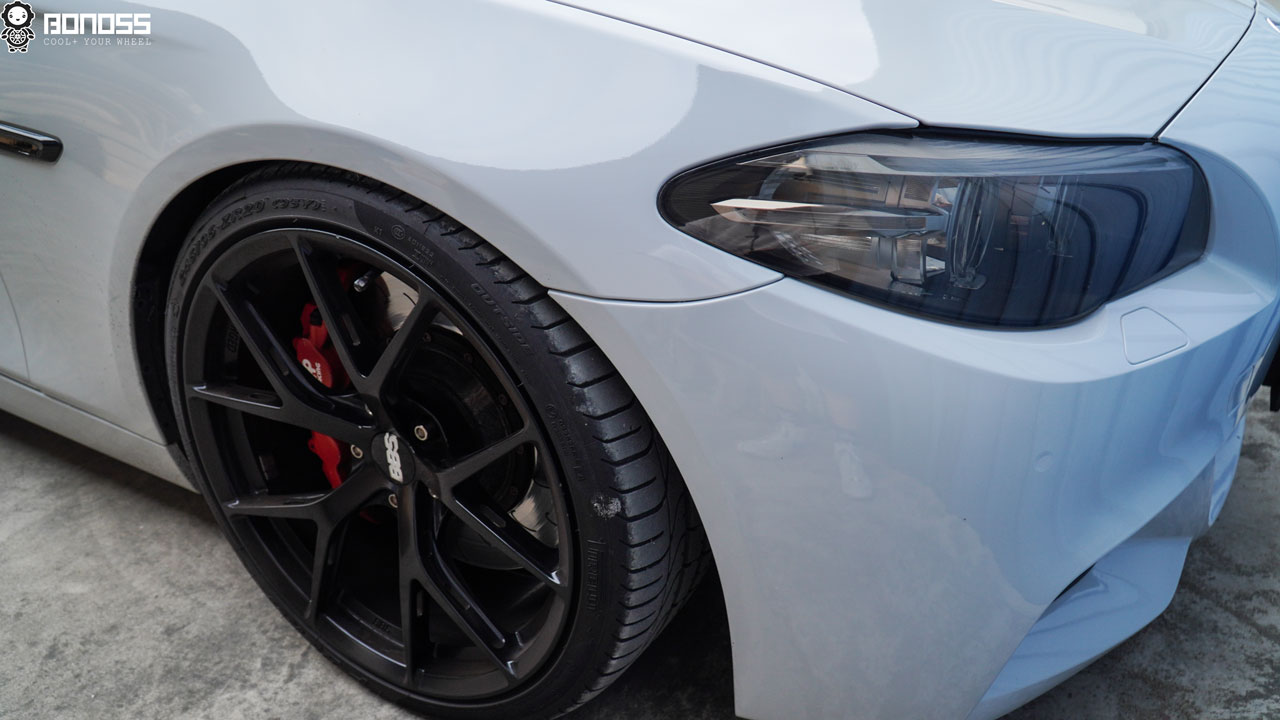
Wheel spacers provide the same effect as negative offset wheels. When you get new wheels and tires, you must remember to take into account the wheel offset. If you’re planning on adding positive offset wheels (these wheels will stick in the interior wheel well more), without the proper wheel spacers, your tire will rub against the interior wheel well and can potentially cause the tire to wear out. Assuming your stock wheel has a +35 offset, and then put a 2-inch spacer on the wheel, that will push the tire out about the same as someone just using a negative offset wheel with a -15 offset (35 – 50 = -15). Wheel spacers will make the offset even lower and push the wheel even further outside the fender. If your wheels have too low of an offset, to avoid rubbing issues, it is better to use thinner wheel spacers such as 5mm – 10mm spacers. If you need technical help, just feel free to contact us.