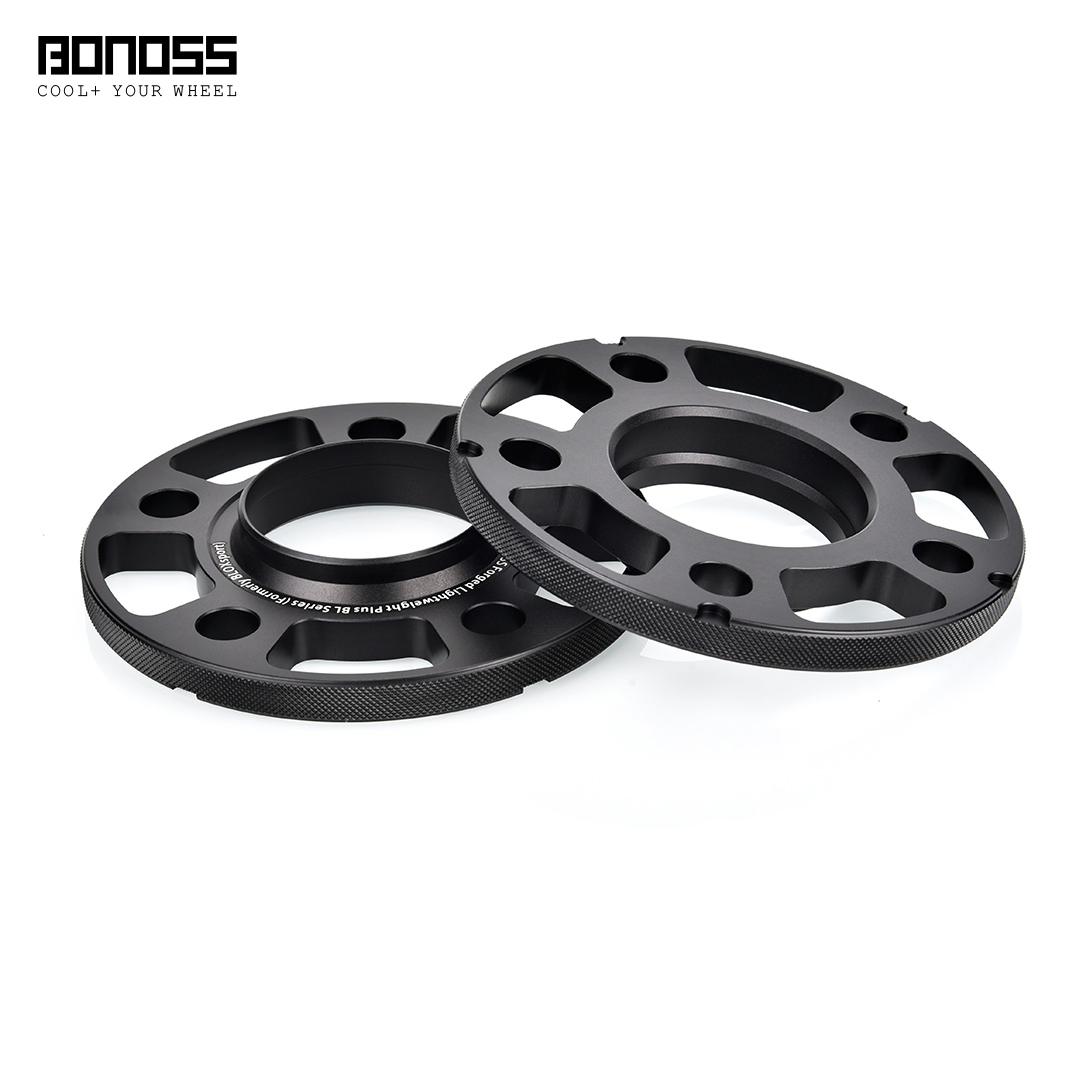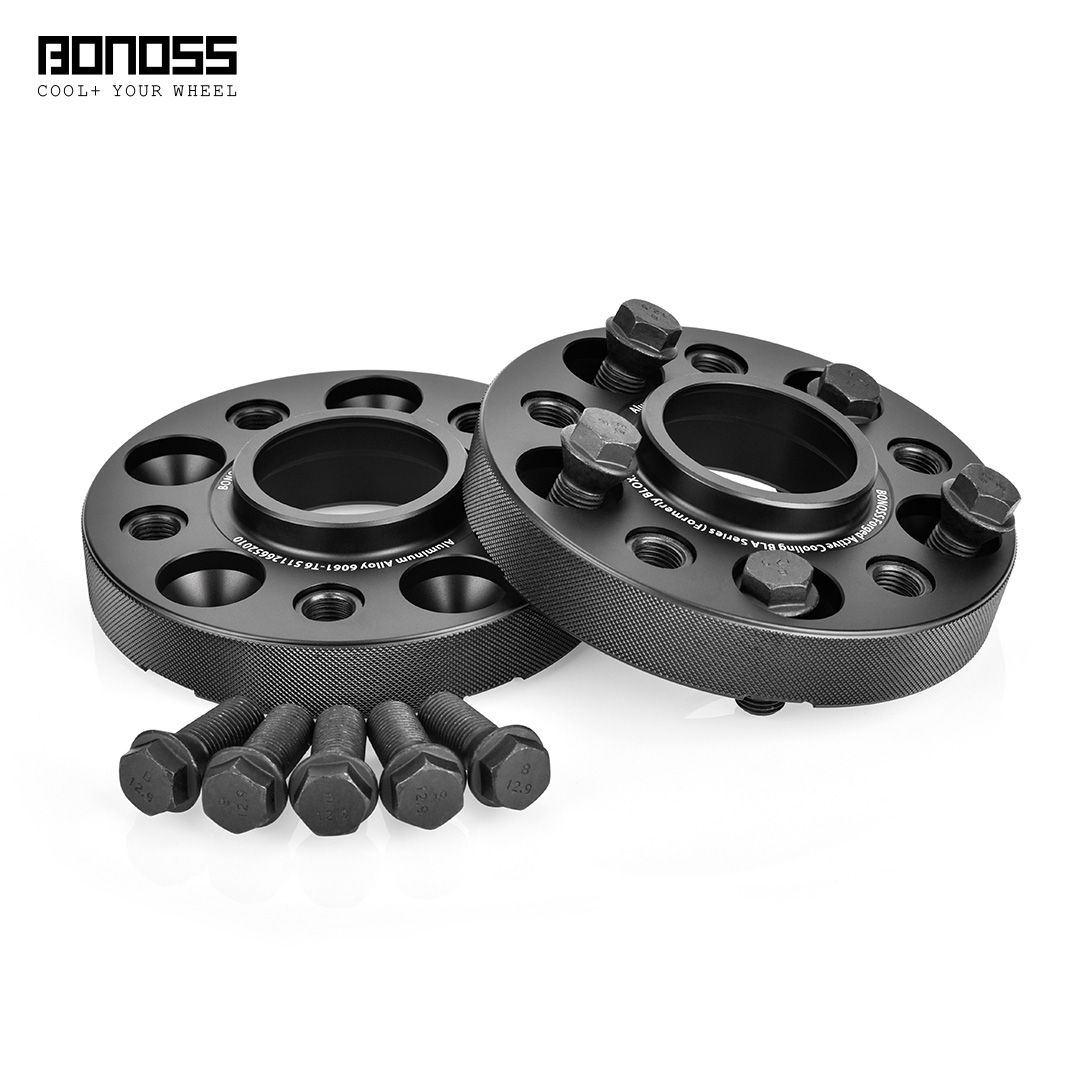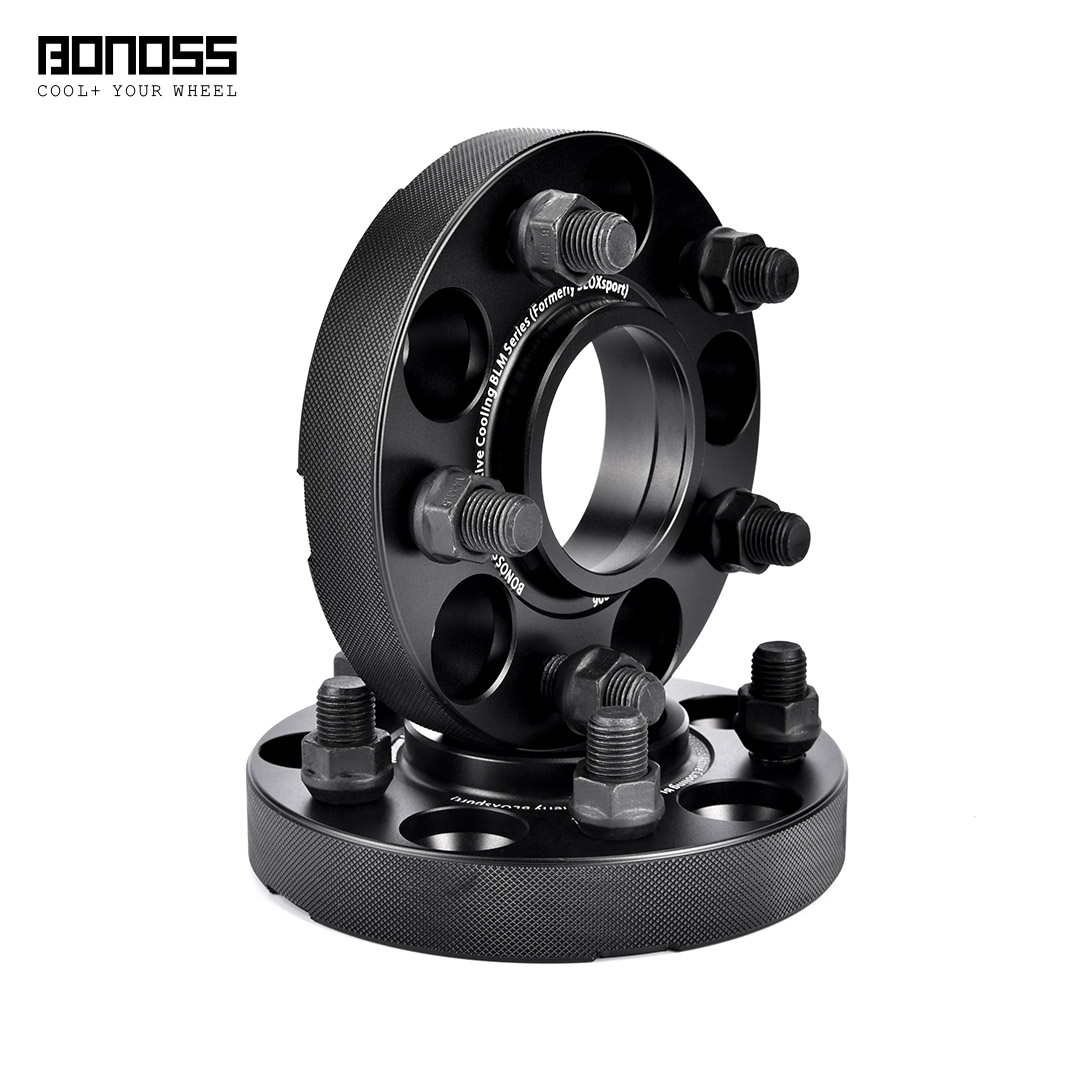
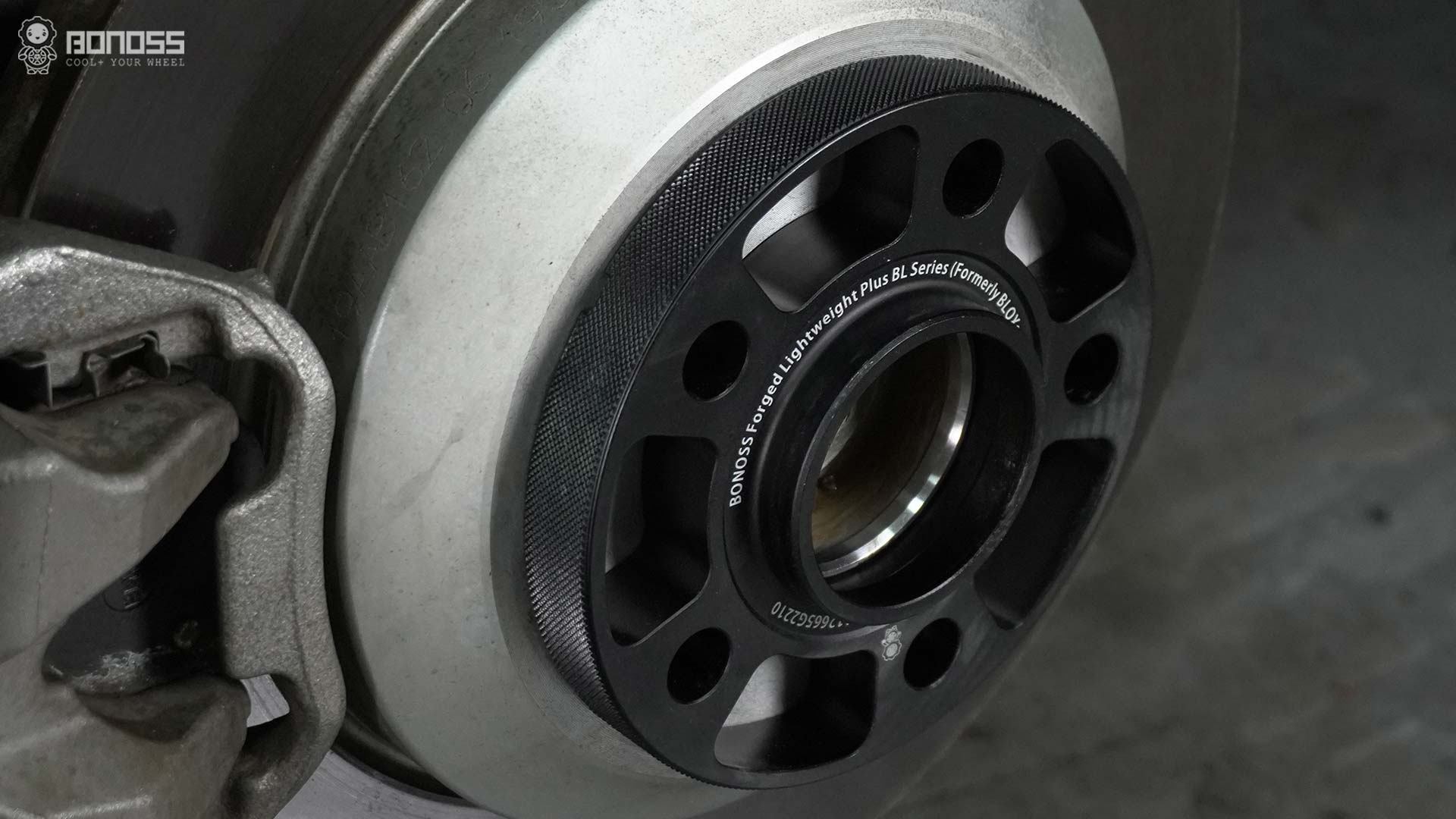
Using Jeep Compass wheel spacers provides many advantages for off-road use, including greater traction, better stability, and rollover resistance. By pushing the wheel further away from the hub assembly, they avoid potential rubbing issues. As the contact points of tires are expanded, spacers provide better stability. It is good to prevent the car from body wobbling when cornering.
This also reduces the body roll which is another way to enhance vehicle’s performance. As long as you install Jeep Compass wheel spacers correctly, you can drive safely and confidently. At the final installation step, it is recommended to use a good calibrated torque wrench to torque each wheel lug nut in a crisscross sequence. This ensures each lug is forced evenly.
What is the Torque Specs for Jeep Compass Wheel Spacers?
The REFERENCE torque specs for Jeep Compass wheel spacers is 83.3 ft-lbs (113 Nm). For some wheels or applications, you may need more or less tightening torque. So, it’s best to consult a tire specialist to ensure the exact torque spec before operating.
How to Properly Install Jeep Compass Wheel Spacers?
It is important to properly install your Jeep Compass wheel spacers, so they can perform well and stay safe in daily or off-roading driving. Here are some key factors:
- Inspect for Loosening: After any off-road trip, or as part of routine checks, make sure the bolts haven’t come loose. It’s a good idea to check your Jeep’s alignment.
- Check for Corrosion: If you drive in wet or snowy conditions, inspect spacers for signs of rust or wear. Aluminum spacers are highly resistant to corrosion. If you ride a lot, keep the spacers clean.
- Retightening Lug Nuts: Every 5,000-10,000 miles, re-torque your spacers to ensure everything is secure. This is especially important if you frequently tackle rough terrains or plan a long road trip.
Who Sells the Best Jeep Compass Wheel Spacers?
There are various wheel spacers in the automotive market, but the BONOSS brand stands out in terms of precision and performance. With over 17 years of manufacturing experience and 1,800+ drawing updates, BONOSS provides the best Jeep Compass aluminum rim spacers. Here is what makes BONOSS the top choice:
1. Extreme Lightweight Benefits
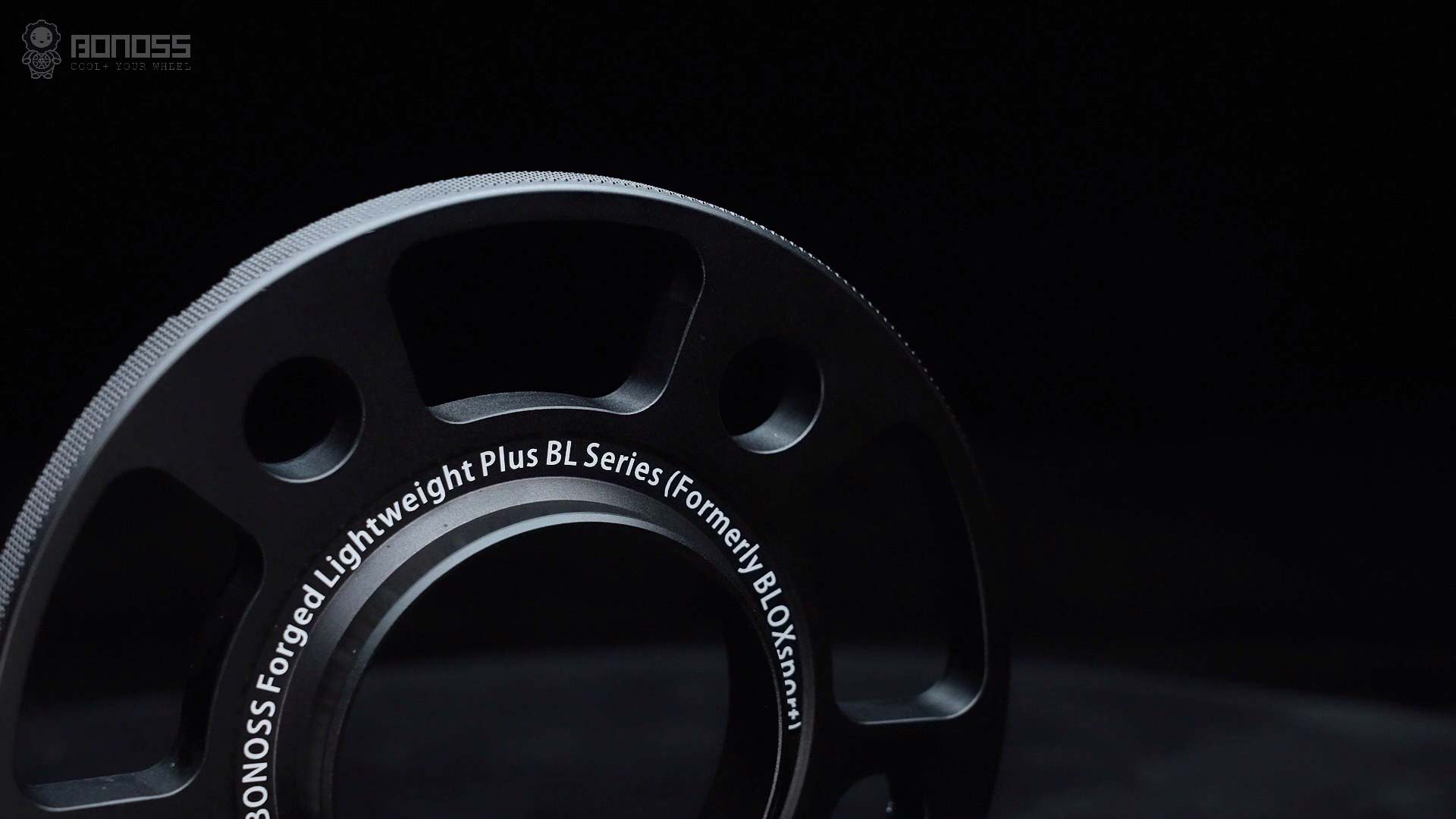
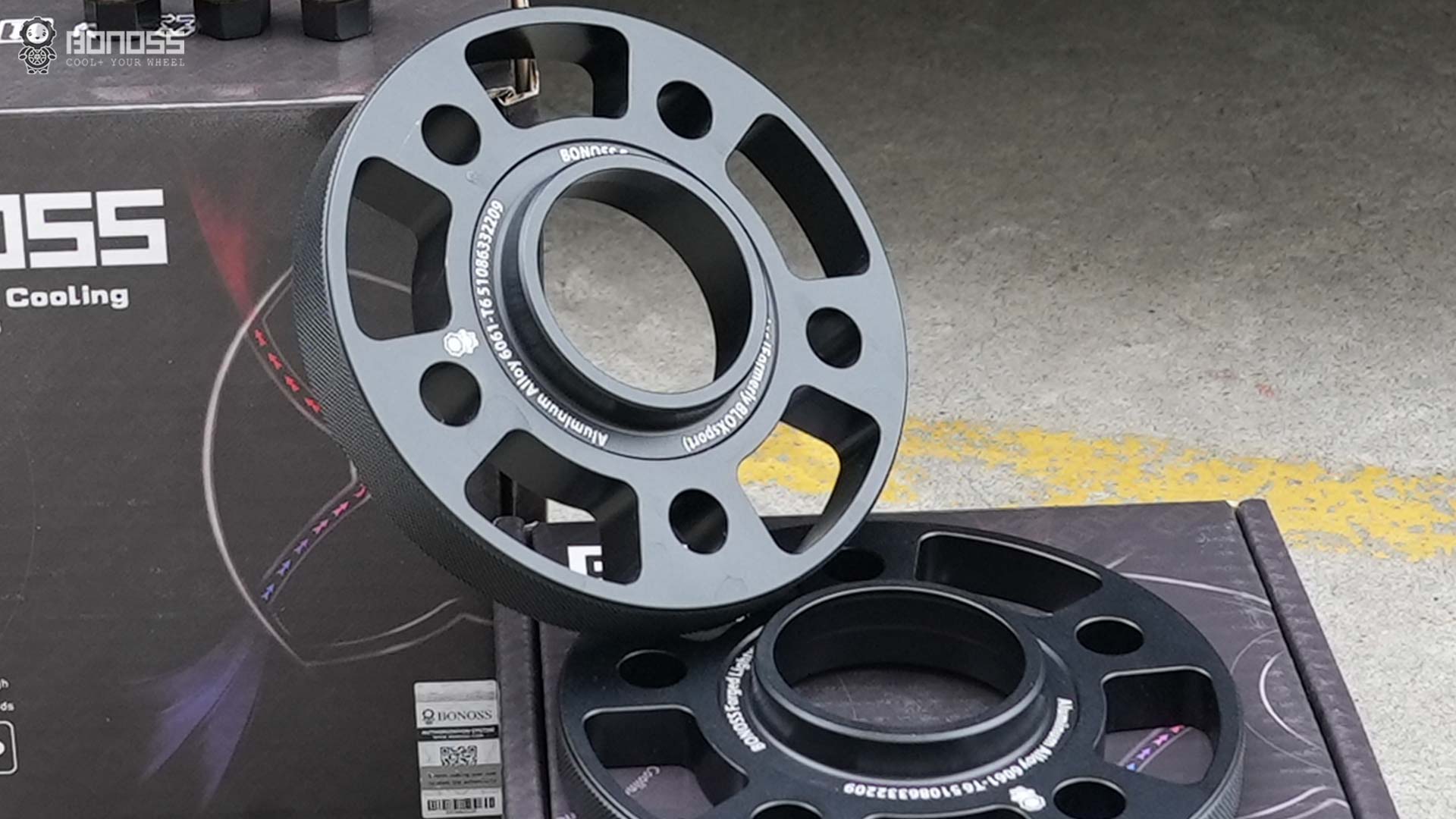
As we know, a lighter vehicle weight is better for acceleration. BONOSS forged lightweight plus Jeep Compass wheel spacers come with “Hollow Carved” holes. The average weight of each BONOSS forged lightweight plus spacer is 20% lighter than the previous-gen product. Adding such a small, lightweight component wouldn’t damage the wheel bearings.
2. Forged 7075-T6 Aluminum
Unlike regular street wheel spacers, BONOSS forged lightweight plus Jeep Compass wheel spacers are built with stronger forged 7075-T6 aluminum alloy materials. The tensile strength is up to 572 MPa, and the yield strength is up to 503 MPa. Such BONOSS forged lightweight plus rim spacers are specifically engineered to withstand hard driving.
3. Precision Engineered for Perfect Fitment
The manufacturing precision of BONOSS spacers has reached 0.02mm. Precise wheel spacers provide high surface integrity, effectively guarantee safety, stability, and reliability, and ensure the smooth operation of vehicle wheel parts. Such precise BONOSS forged lightweight plus Jeep Compass spacers ensure a smooth installation experience.
Frequently Asked FAQ
Q: Will Jeep Compass wheel spacers rust?
A: Nowadays, most wheel spacers are made of aluminum alloys. High-quality aluminum wheel spacers won’t rust even after a long time.
Q: Is it necessary to add wheel spacers on all 4 tires?
A: If you just use Jeep Compass wheel spacers to accommodate bigger brakes on the front wheels, you don’t need to use spacers on all 4 tires.
Final Summary: Upgrade Your Jeep with BONOSS
From innovative lightweight benefits to certified materials and precise manufacturing, BONOSS forged lightweight plus Jeep Compass wheel spacers are engineered to enhance your driving experience with safety, strength, and reliability. Discover the difference with BONOSS—built for drivers who demand excellence.
(Hi, I’m Kevin Brian, a 30-year mechanical engineer. For a better user experience, this article is original content uploaded by humans. It is not generated by Artificial Intelligence (AI) Models or tools.)