As long as you properly torque them, high-quality 5×114 3 spacers 20mm are safe to use. At the final installing process, it is recommended to use a good calibrated torque wrench to torque each wheel lug nut in a crisscross sequence. This ensures each lug is forced evenly. Here is the REFERENCE torque spec on the spacers:
- M12 lug nuts or bolts: 83.3 lb-ft (113 Nm);
- M14 lug nuts or bolts: 103.5 lb-ft (140 Nm).
For some wheels or applications, you may need more or less tightening torque. So, it’s best to consult a tire specialist to ensure the exact torque spec before operating. It’s crucial to follow the torque specifications provided by the wheel spacer manufacturer and to double-check the lug nut torque after 50-100 miles of driving.
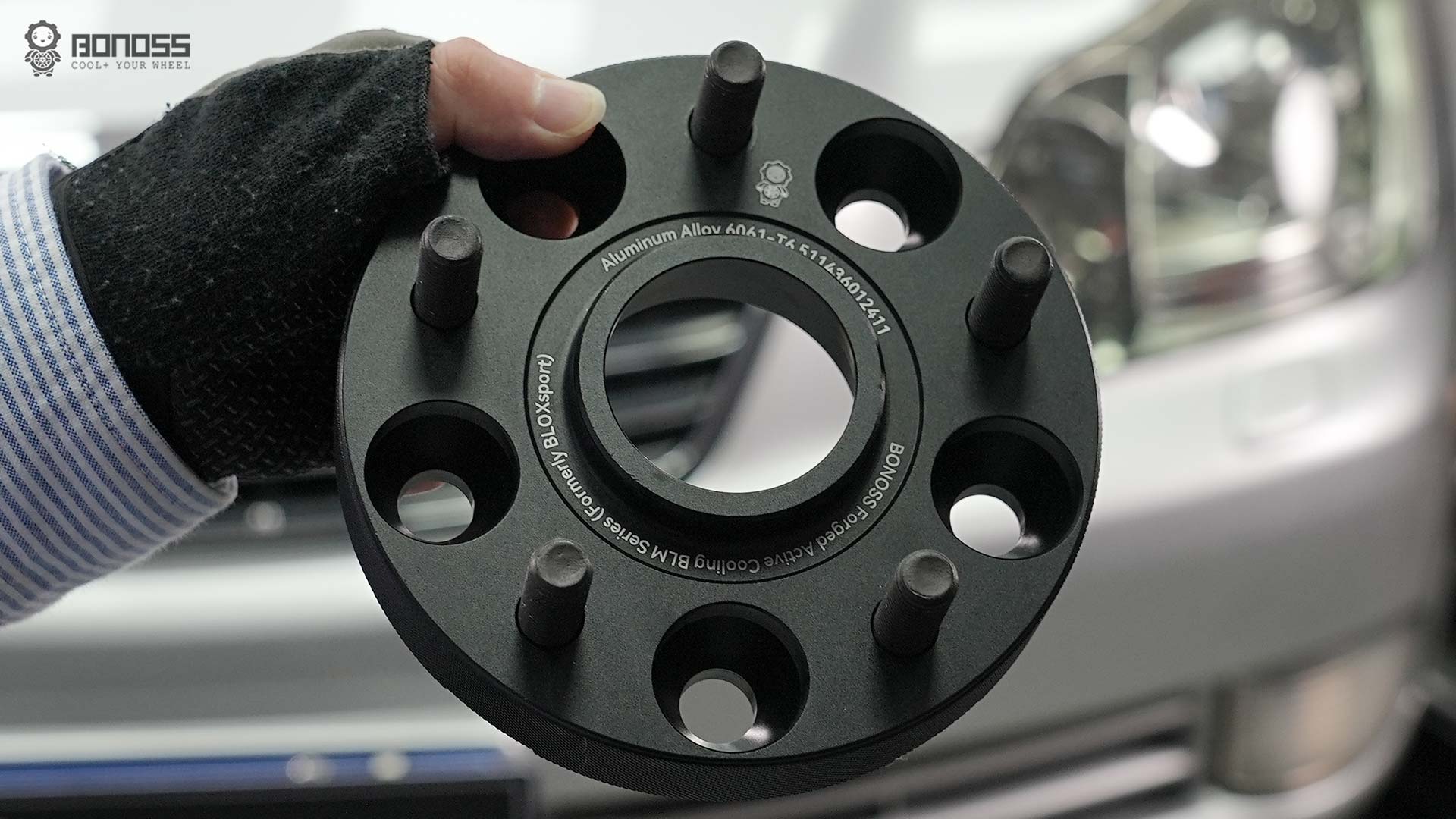
5×114 3 spacers 20mm Installation Pro Tips
Pre-Installation:
- Lift the car and remove the wheels;
- Clean the entire hub surface, ensuring it is clean and smooth;
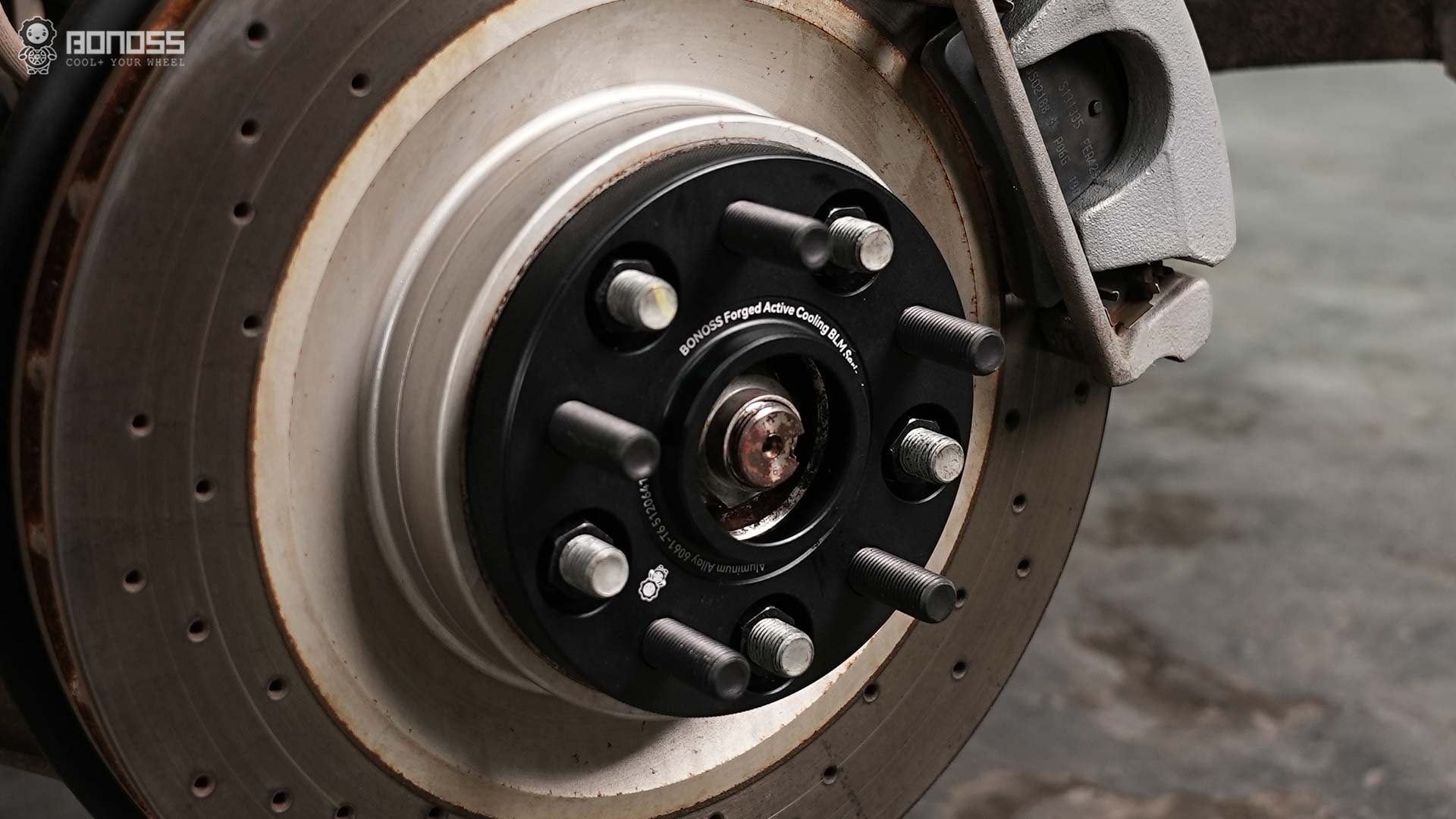
- Place the spacer on the hub and ensure it is firmly seated and flush against the hub;
Use a Torque Wrench:
It is recommended to use a good torque wrench to tighten the 5×114 3 spacers 20mm to proper torque specs.
Proper Sequence:
Start threading the hardware by hand, then use the torque wrench to tighten wheel nuts in a crisscross sequence. Then remount the wheel on the spacer and fasten it with stock lug nuts.
Post-Installation:
After installing 5×114 3 spacers 20mm, check and confirm the proper alignment and function of your wheels and tires before driving. It is always a great idea to re-torque the wheel spacers after 50-100 miles of driving. Regularly inspect the tightness of the lug nuts.
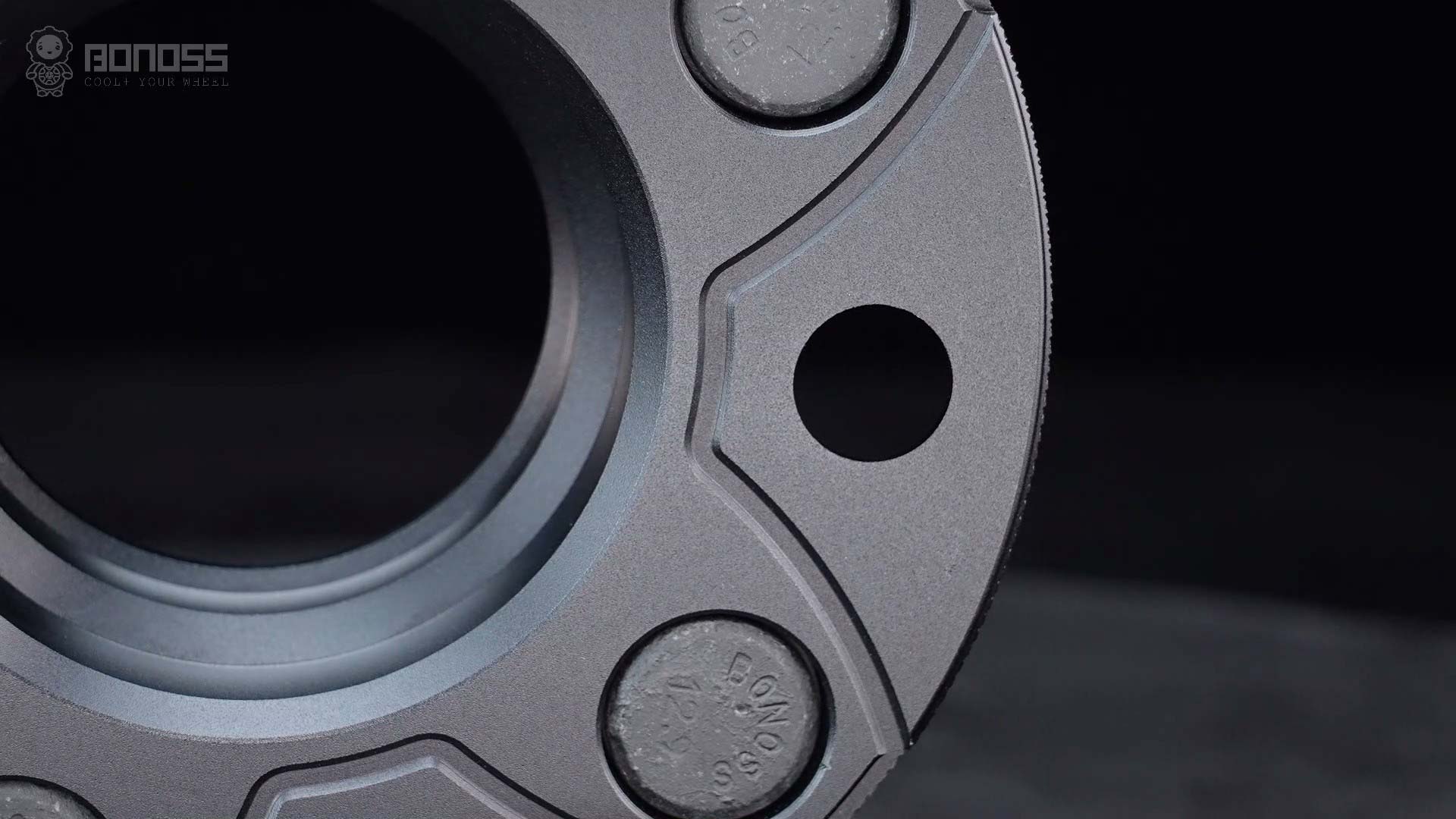
What 5×114 3 Spacers 20mm Are Best?
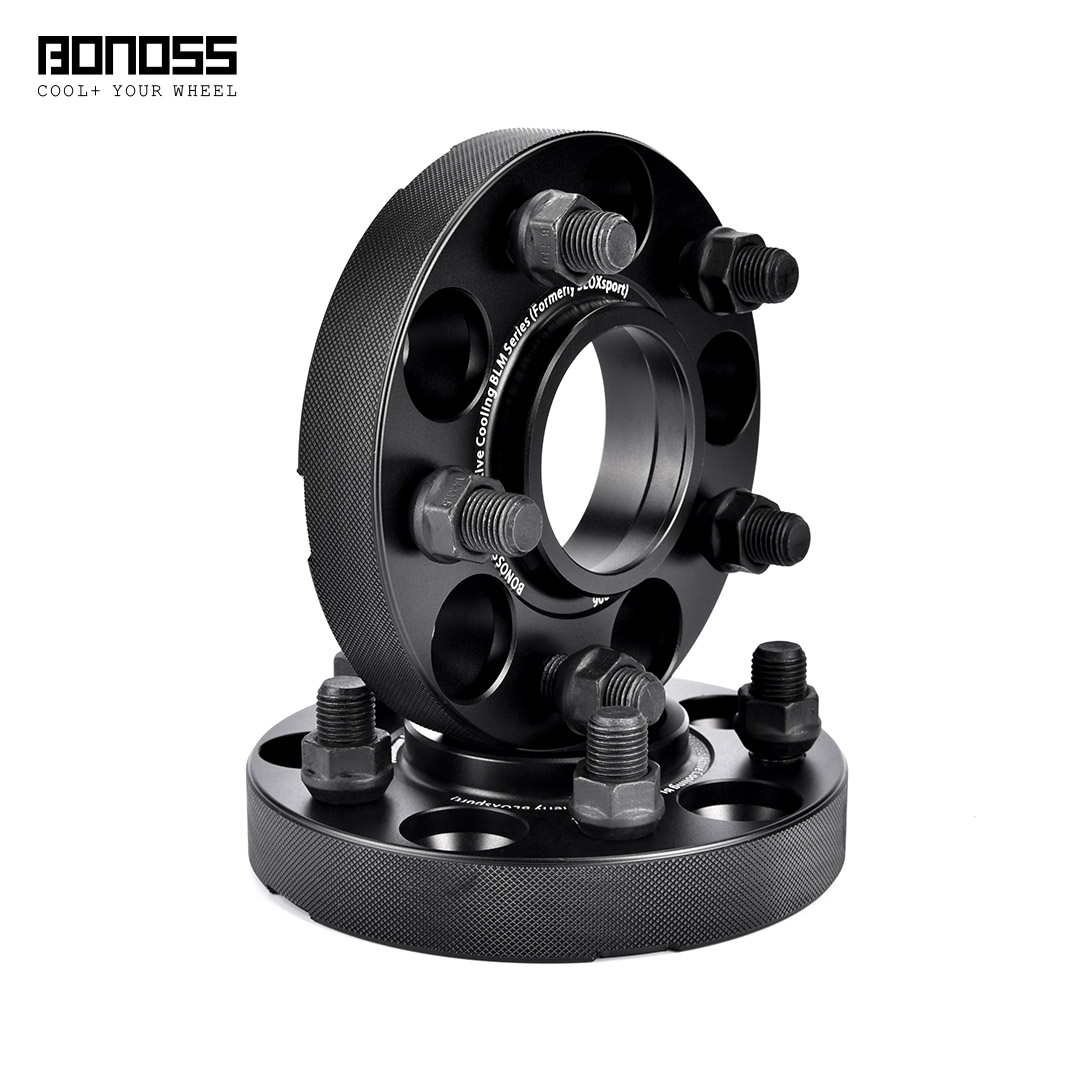
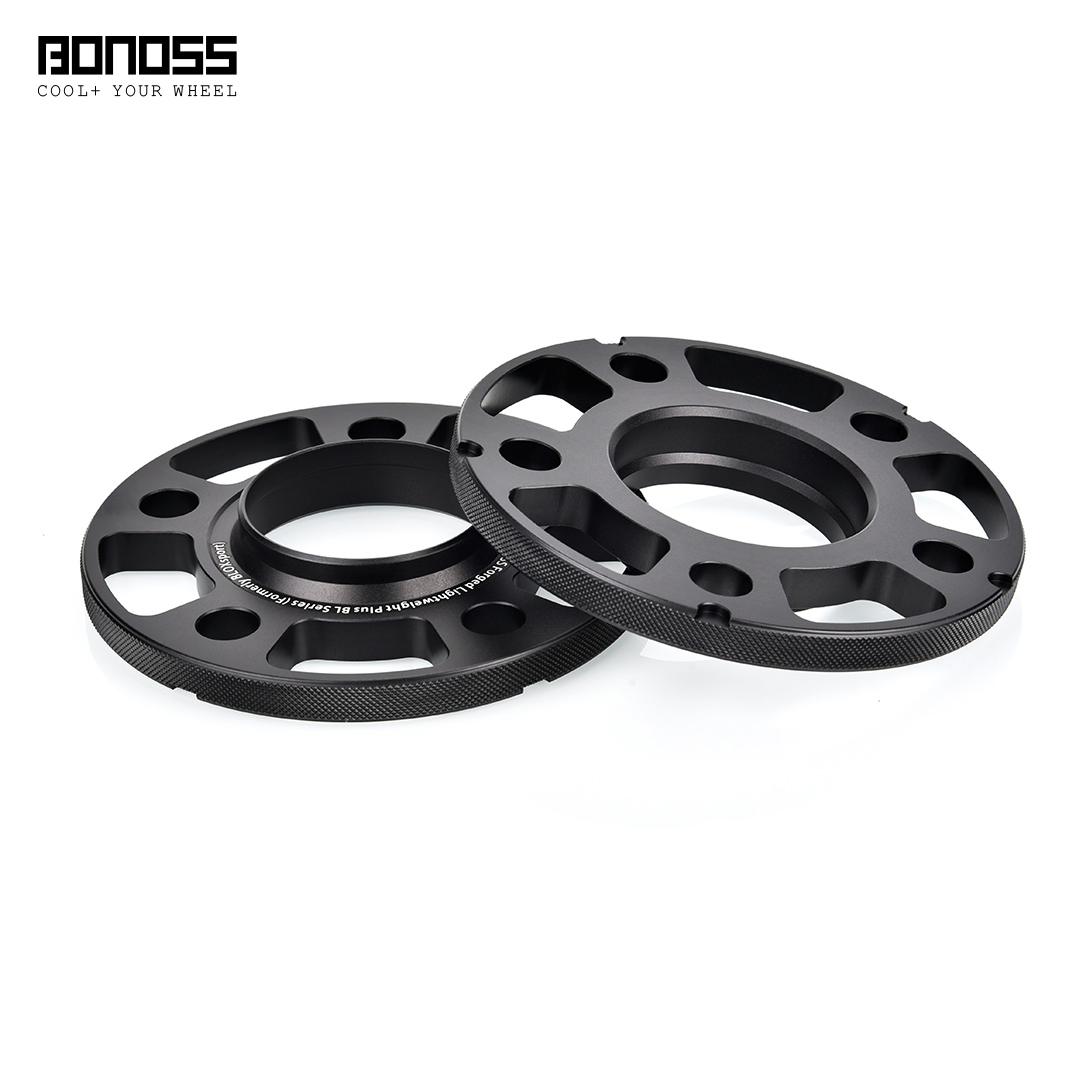
Safety, precision, strength, and best experience are what sets BONOSS apart from other spacer manufacturers. All BONOSS forged 5×114 3 spacers 20mm are built strictly to meet international standards that can improve the quality of your own driving experience. BONOSS offers several key advantages that make their spacers a top choice.
1. Active Cooling for Better Performance
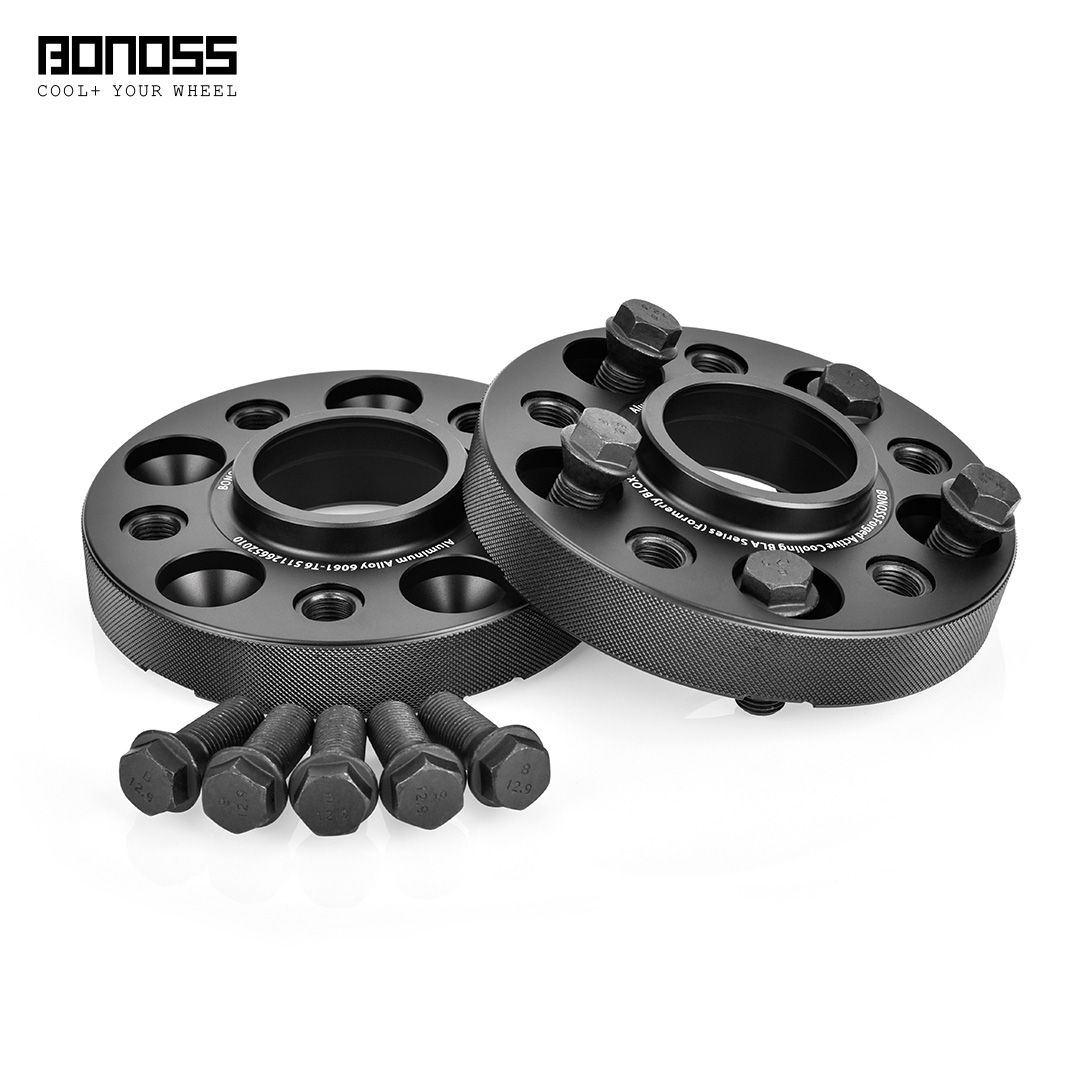
BONOSS forged active cooling 5×114 3 spacers 20mm are designed with heat dissipation grooves to make brake cooling better. The heat dissipation grooves allow the air to flow across the brake rotors. This boosts the cooling efficiency, reducing brake thermal decay. These BONOSS forged active cooling wheel spacers extend the longevity of your performance brake kits.
2. Aerospace Materials for Improved Strength
BONOSS forged hub-centric 20mm spacers are made of 6061-T6 and 7075-T6 aluminum alloys. The 6061-T6/ 7075-T6 aluminum alloy is high-quality aluminum that has excellent corrosion resistance and high toughness. The tensile strength is up to 572 MPa (AL7075-T6). They are strong enough to handle various driving conditions.
3. Strong Fasteners for Enhanced Stability
To ensure safety, BONOSS provides ISO grade 12.9 wheel studs. These lug studs will undergo a series of safety tests before leaving the factory. The results of those performance tests are great: tensile strength≥1,220 MPa, proof load≥121,000 N. They are all approved by over 75 SGS and TÜV authoritative certification reports.
Frequently Asked FAQ
Q: Do 5×114 3 spacers 20mm crack?
A: Decades of optimization and countless cases have proven that as long as you install them properly, high-quality 5×114.3 spacers won’t crack easily.
Q: Will 5×114 3 spacers 20mm affect acceleration?
A: No, lightweight aluminum wheel spacers don’t negatively affect the acceleration, battery, or high-speed performance.
Q: Will the 20mm spacers rust?
A: Quality 5×114.3 20mm spacers won’t rust so easily. Aluminum spacers are a popular choice for automobiles not only because they’re lightweight but also because they resist corrosion.
In Summary: Unlock More Wheel Options with BONOSS
From advanced active cooling advantages to customizable solutions and certified quality, BONOSS forged active cooling 5×114 3 spacers 20mm are designed to provide a safe, reliable, and enhanced driving experience. Choose BONOSS and experience the difference—engineered for those who demand the best.
(Hi, I’m Kevin Brian, a 30-year mechanical engineer. For a better user experience, this article is original content uploaded by humans. It is not generated by Artificial Intelligence (AI) Models or tools.)