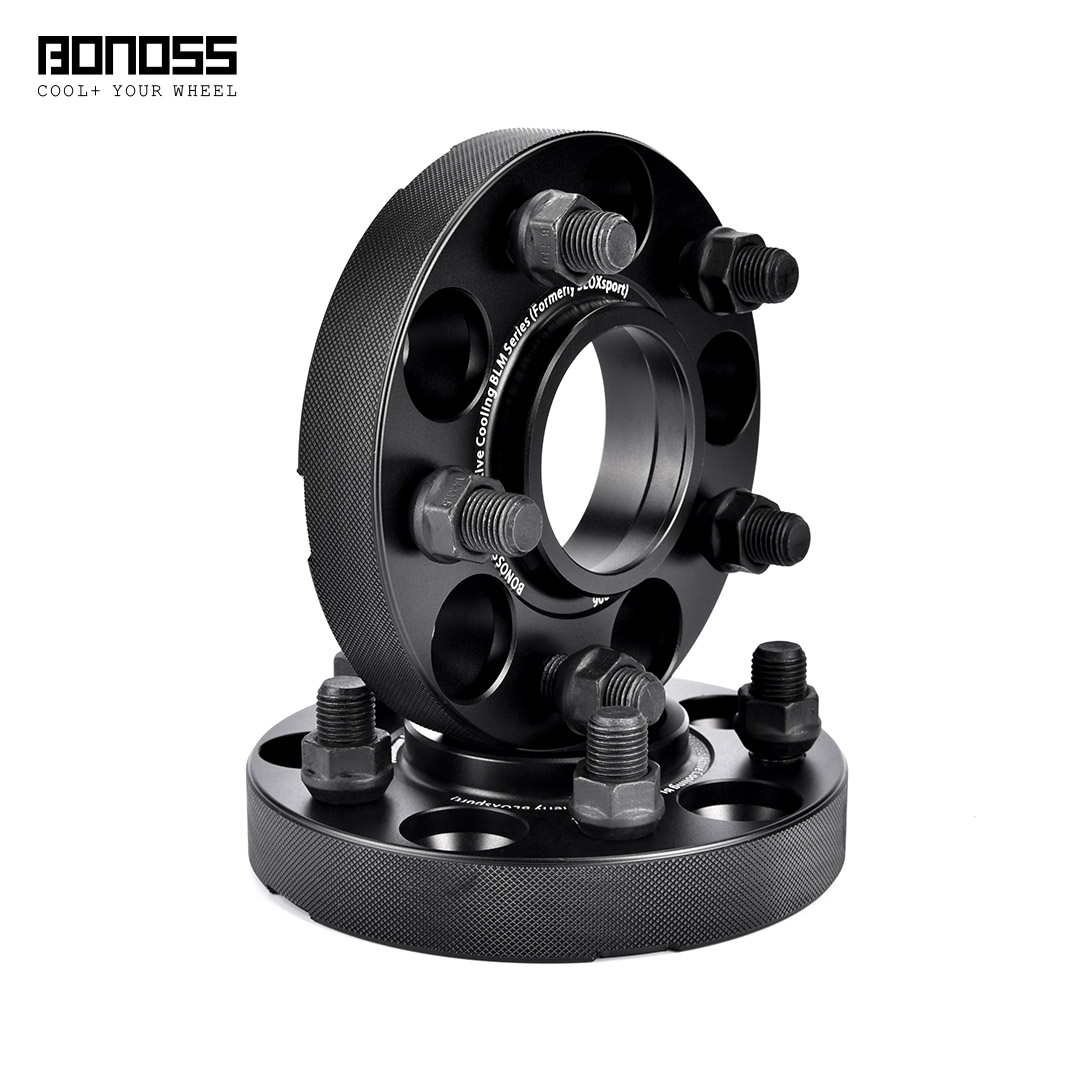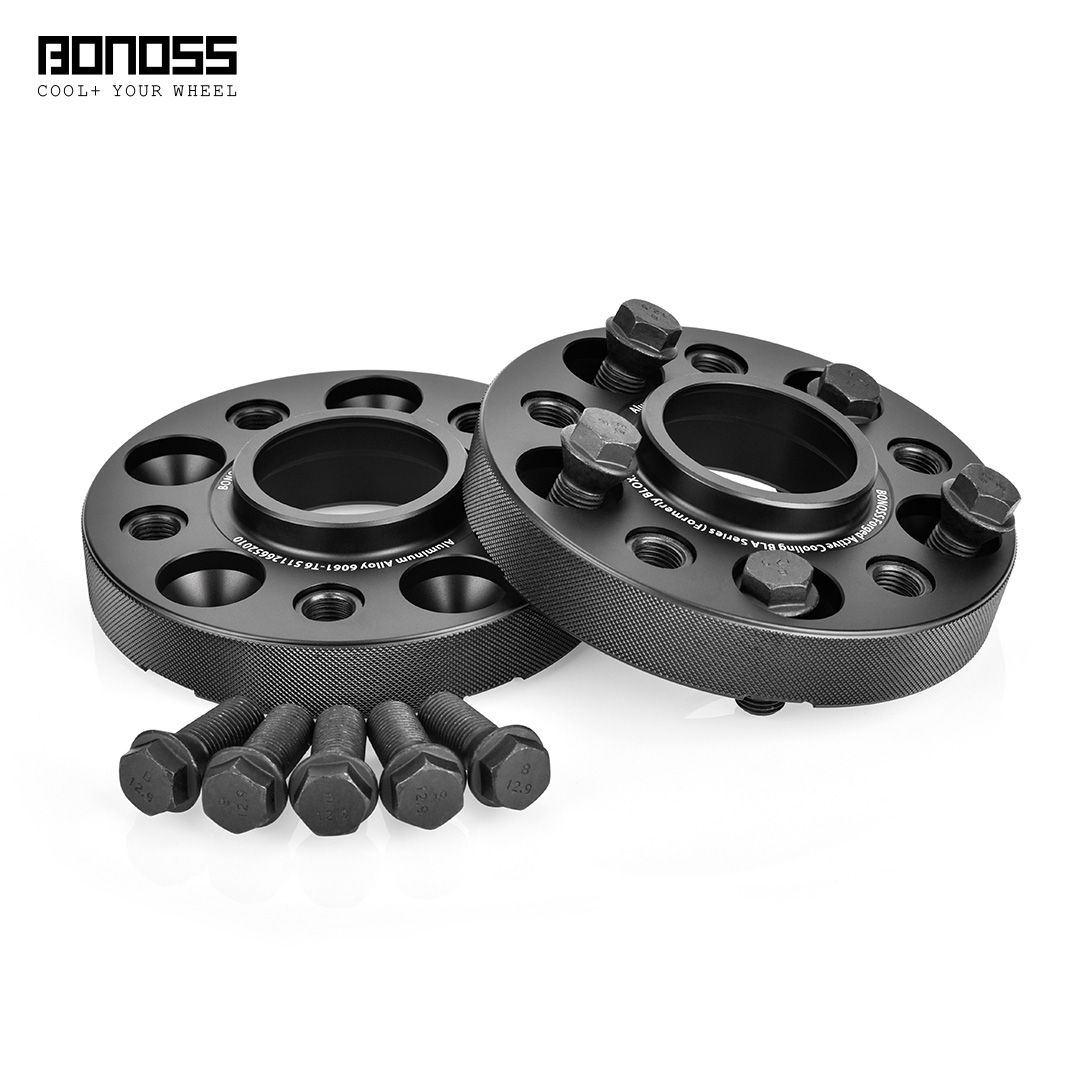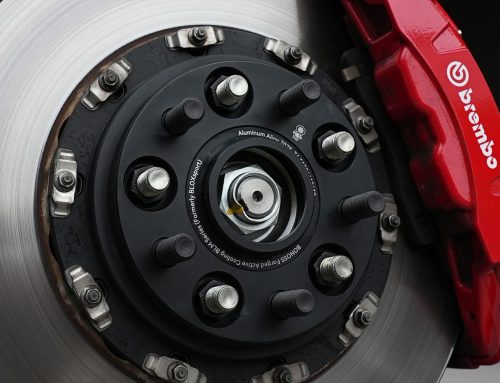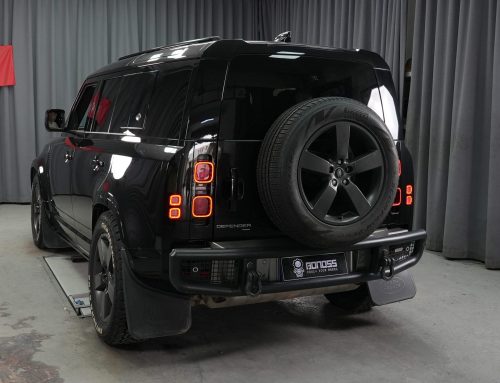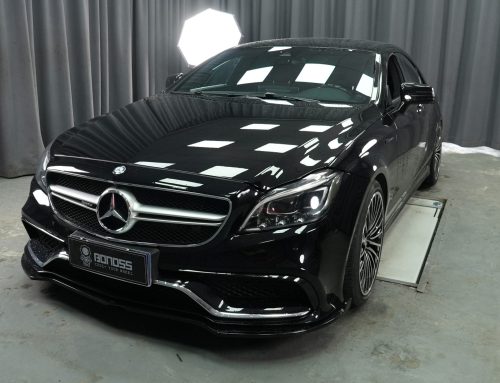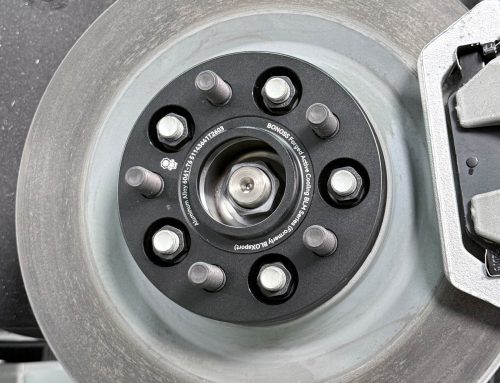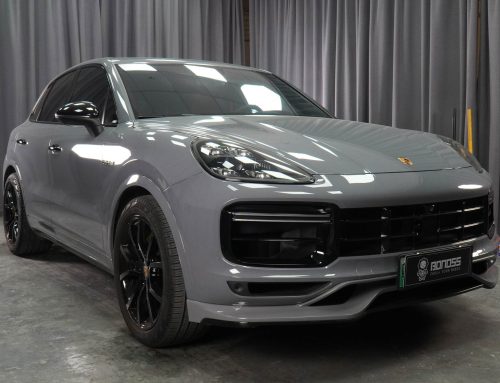
The 5×130 wheel spacers are a great modification that give your car a more aggressive stance and improved handling. They create more clearance between the wheels and the vehicle hub assembly, allowing you to run wider tires and bigger brake calipers without rubbing issues. Additionally, this is a big improvement for your ride.
For example, the wheels sit further away which provides better stability and rollover resistance. A wider track also helps drivers handle better on the road. For those people who would like to improve performance, wheel spacers are the most cost-effective way to go. Here are the pro tips to torque 5×130 wheel spacers safely.
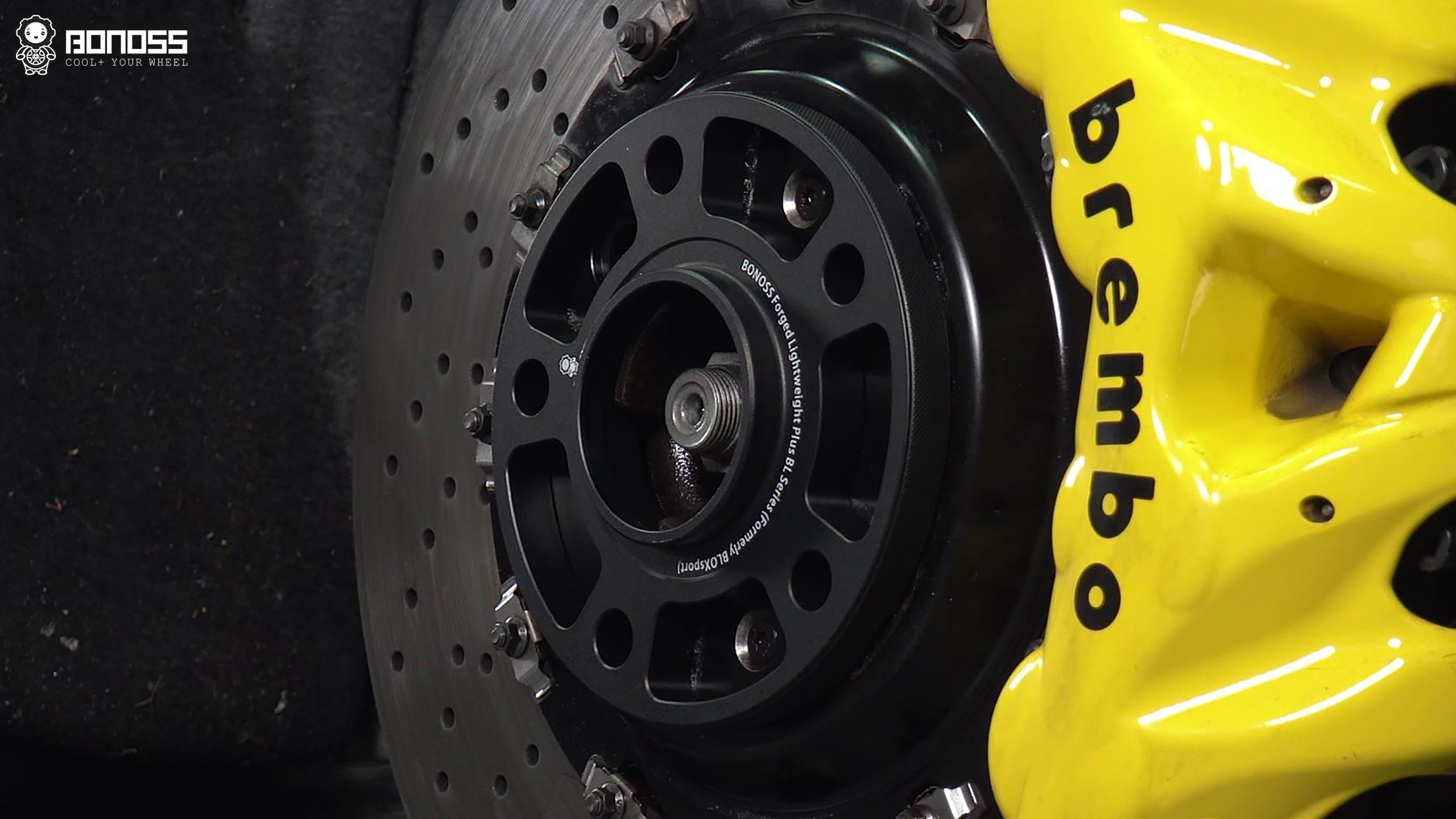
What is the Torque Specs for 5×130 Wheel Spacers?
The REFERENCE torque specs for 5×130 wheel spacers are 103.5 lb-ft (140 Nm) for M14 bolts and 83.3 lb-ft (113 Nm) for M12 bolts. For some wheels or applications, you may need more or less tightening torque. So, it’s best to consult a tire specialist to ensure the exact torque spec before operating.
How to Properly Install 5×130 Wheel Spacers?
It is important to properly install your 5×130 wheel spacers, so they can perform well and stay safe in daily driving or off-roading. Here are some key factors:
Use a Torque Wrench:
It is recommended to use a good torque wrench to tighten the 5×130 wheel spacers to proper torque specs. Set the torque wrench to the manufacturer’s recommended value. Then simply turn the wrench handle until it reaches the torque mark.
Correct Torque Specs:
Start threading the hardware by hand, then use the torque wrench to tighten spacer wheel bolts in a crisscross sequence. When the wheel bolts are properly torqued down, you will feel a click around the head of the wrench. Don’t trust an impact gun can settle everything down.
Re-torque Wheel Spacers:
It is crucial to re-torque your new 5×130 wheel spacers after the first 50 to 100 driving miles. Then, just re-torque them every routine tire maintenance. By torquing each wheel bolt to the proper torque specification, your new wheel spacers will safely function.
What Make BONOSS 5×130 Wheel Spacers the Best Choice?
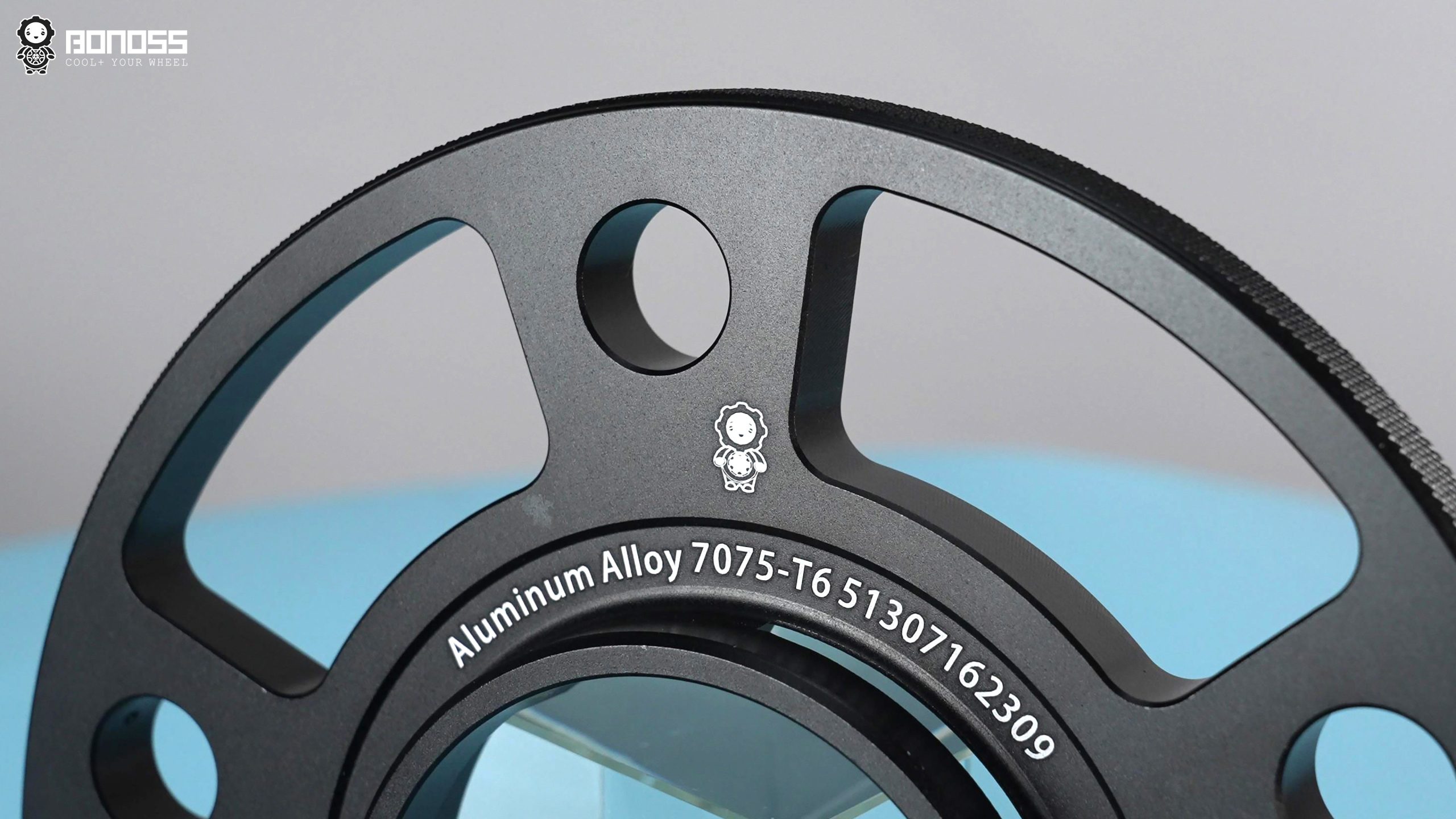
Thanks to countless actual measurements, BONOSS makes precise 5×130 wheel spacers under strict specifications. These vehicle-specific spacers are CNC 0.02mm machined to fit the specific vehicle hub. Their PCD fitments, CB fitments, and thread pitches remain intact, allowing you to install OEM and aftermarket wheels with no problems. BONOSS offers several key advantages that make their spacers a top choice.
1. Verified Lightweight Plus Benefits
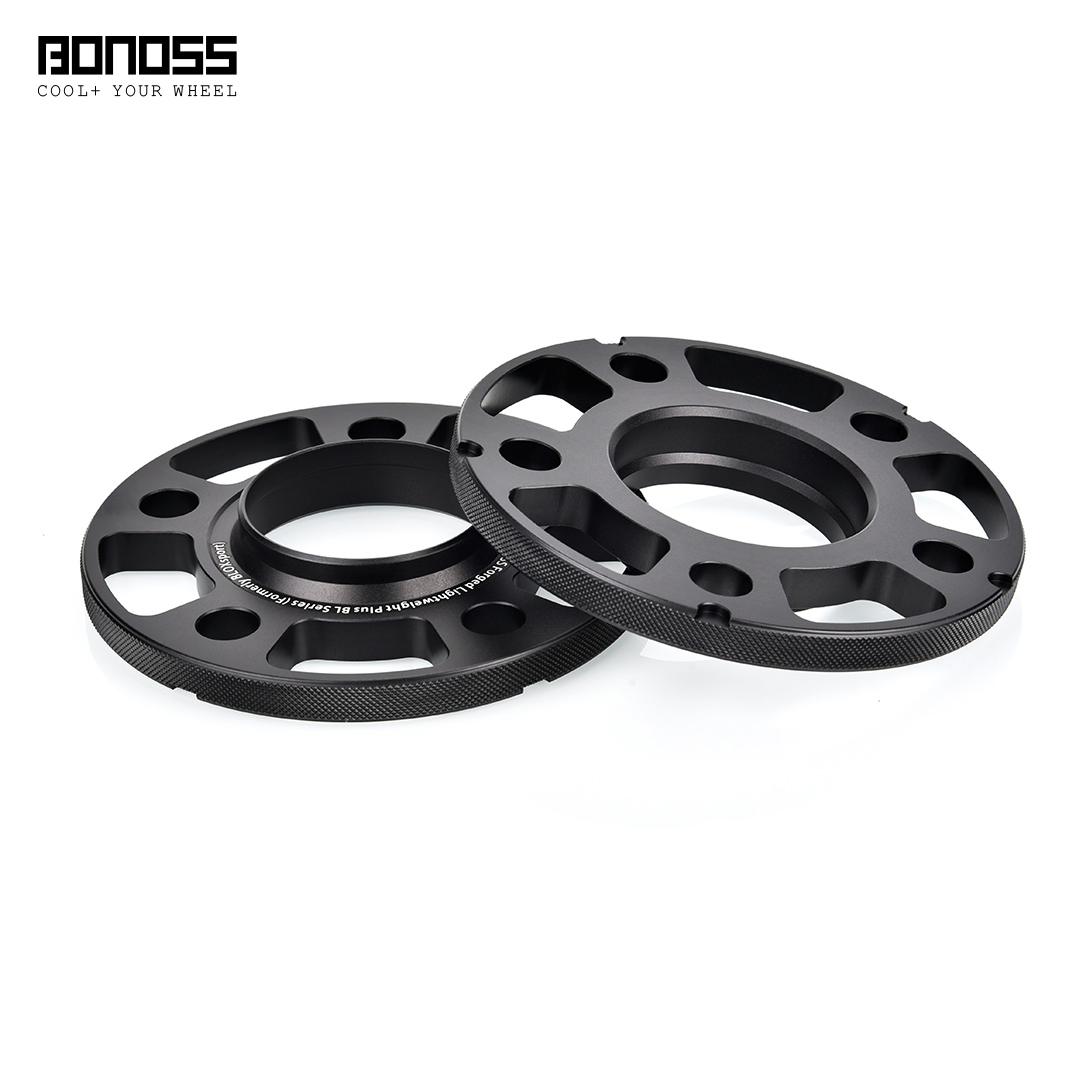
In particular, BONOSS forged lightweight plus 5×130 wheel spacers are machined with “Hollow Carved” holes. This design provides obviously lightweight effect while maintaining high strength. The average weight of each BONOSS spacer is more than 20% lighter than the previous-gen product. Such BONOSS wheel spacers is completely within the capacity of the suspension parts.
2. Hub-centric Design for Enhanced Stability
BONOSS forged lightweight plus 5×130 wheel spacers come with multi-stage hub-centric lips. The hub-centric metal ring is machined to be multi-layers, and the bevels fit the corresponding hub flange, which eliminates any possible gaps. As long as you install them correctly, these BONOSS hub-centric wheel spacers won’t mess up the alignment or cause wheel vibration.
3. CNC Machined for Precise Installation
All BONOSS forged lightweight plus 5×130 wheel spacers are precisely CNC machined. The precision is within 0.02mm tolerance. A wheel spacer with a high-quality surface is easier to sit flush against the vehicle hub and wheel. These precise BONOSS forged lightweight plus wheel spacers are helpful to avoid excessive tire wear.
In Summary: Elevate Your Wheel Style with BONOSS
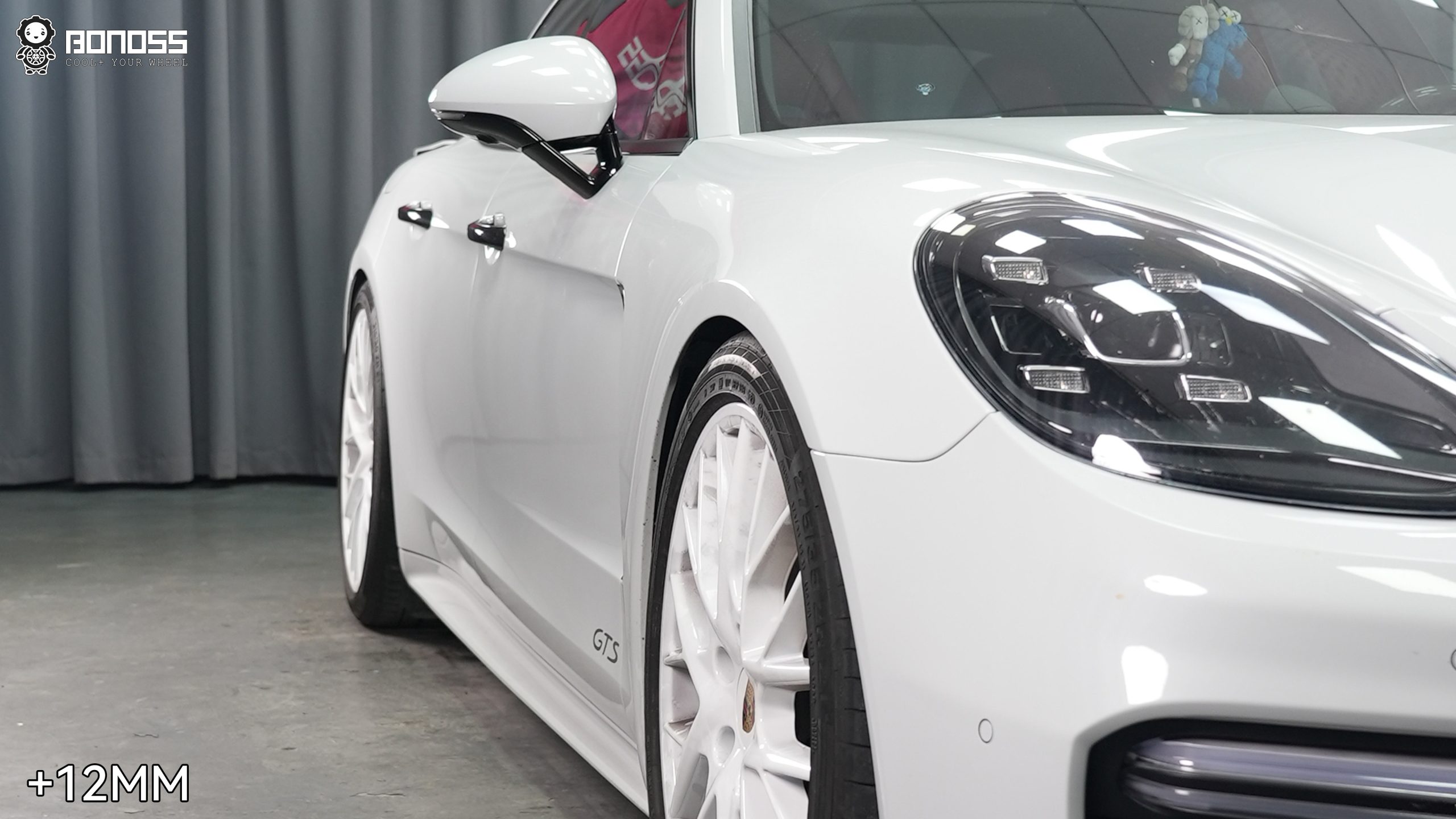
From advanced lightweight plus advantages to customizable solutions and certified quality, BONOSS forged lightweight plus 5×130 wheel spacers are designed to provide a safe, reliable, and enhanced driving experience. Choose BONOSS and experience the difference—engineered for those who demand the best.
(Hi, I’m Kevin Brian, an experienced mechanical engineer. All articles, images, and videos are human-produced to ensure the best user experience. They are not generated by Artificial Intelligence (AI) Models or tools.)