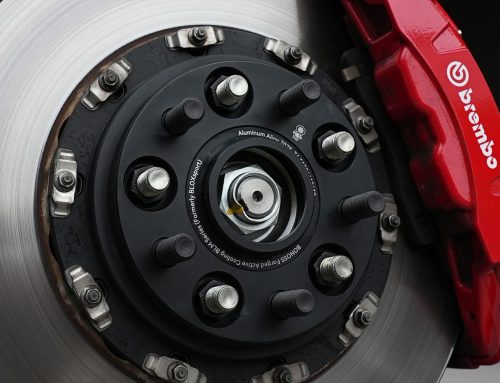
We get this question all the time from M3 owners who’ve just thrown on a body kit: “My wheels sit too far in. How thick should I go?” It’s the kind of question that sounds simple and isn’t. Get it wrong, and you’re either rubbing fenders or stuck with a stance that still looks weak.
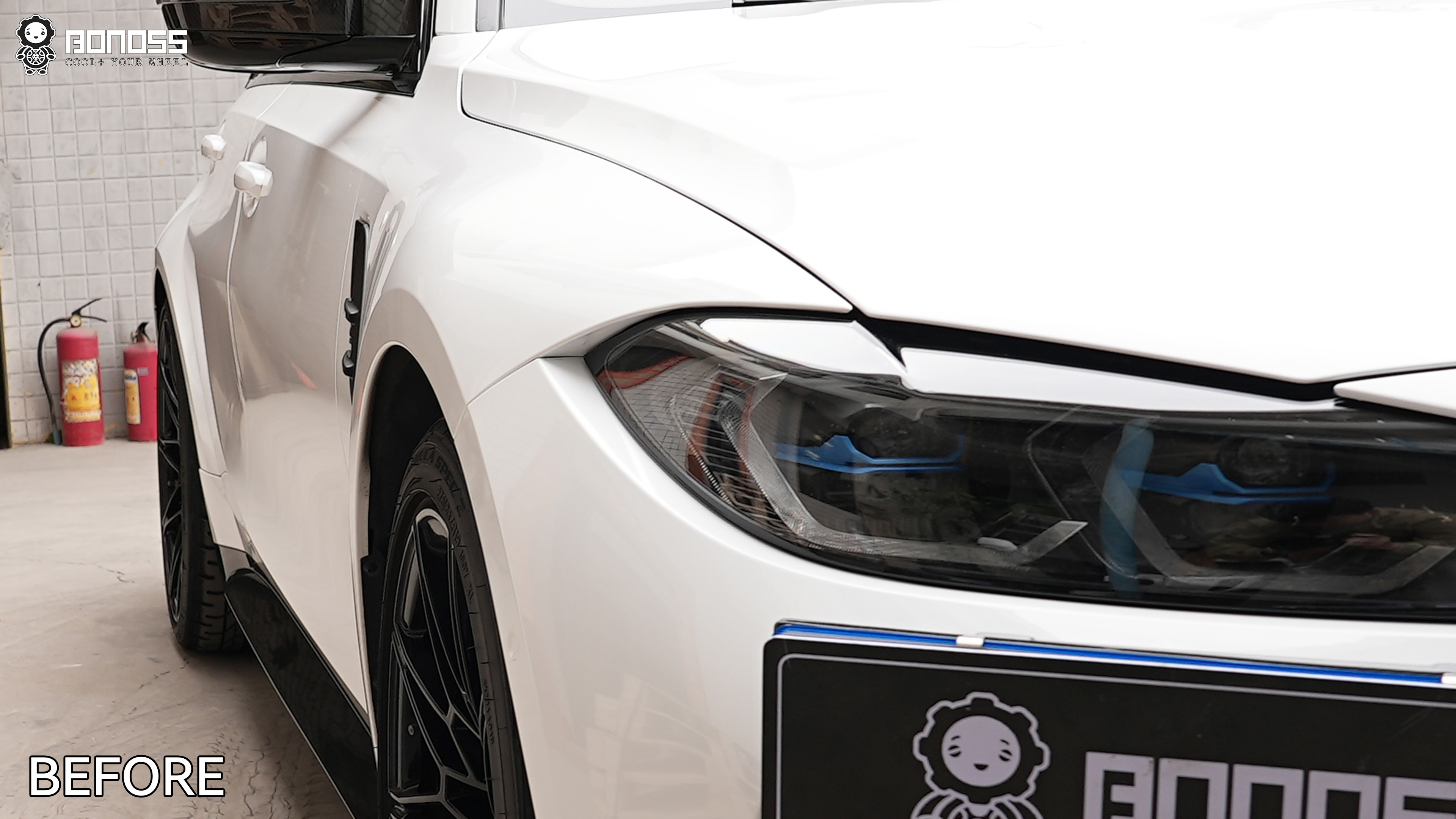
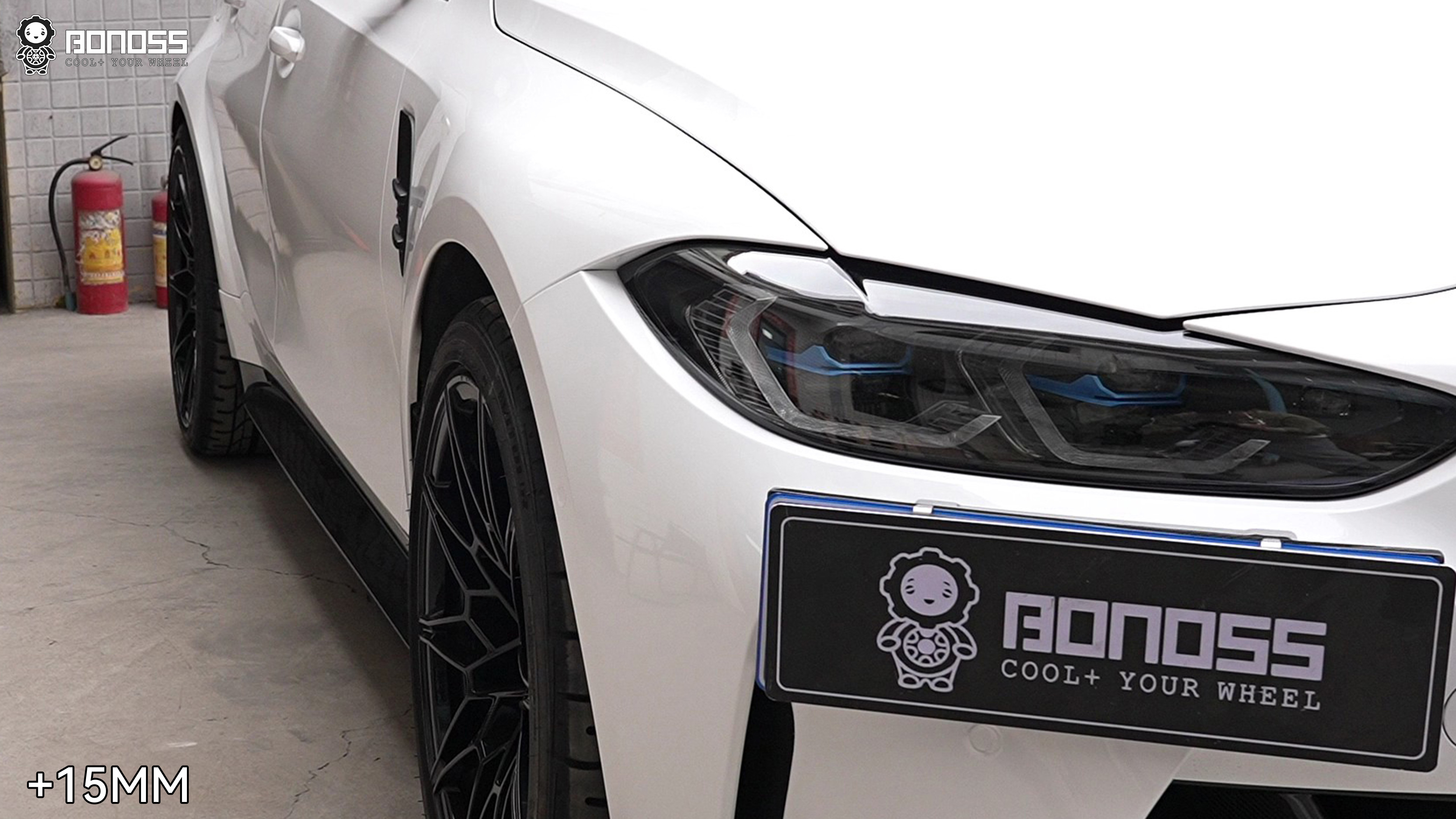
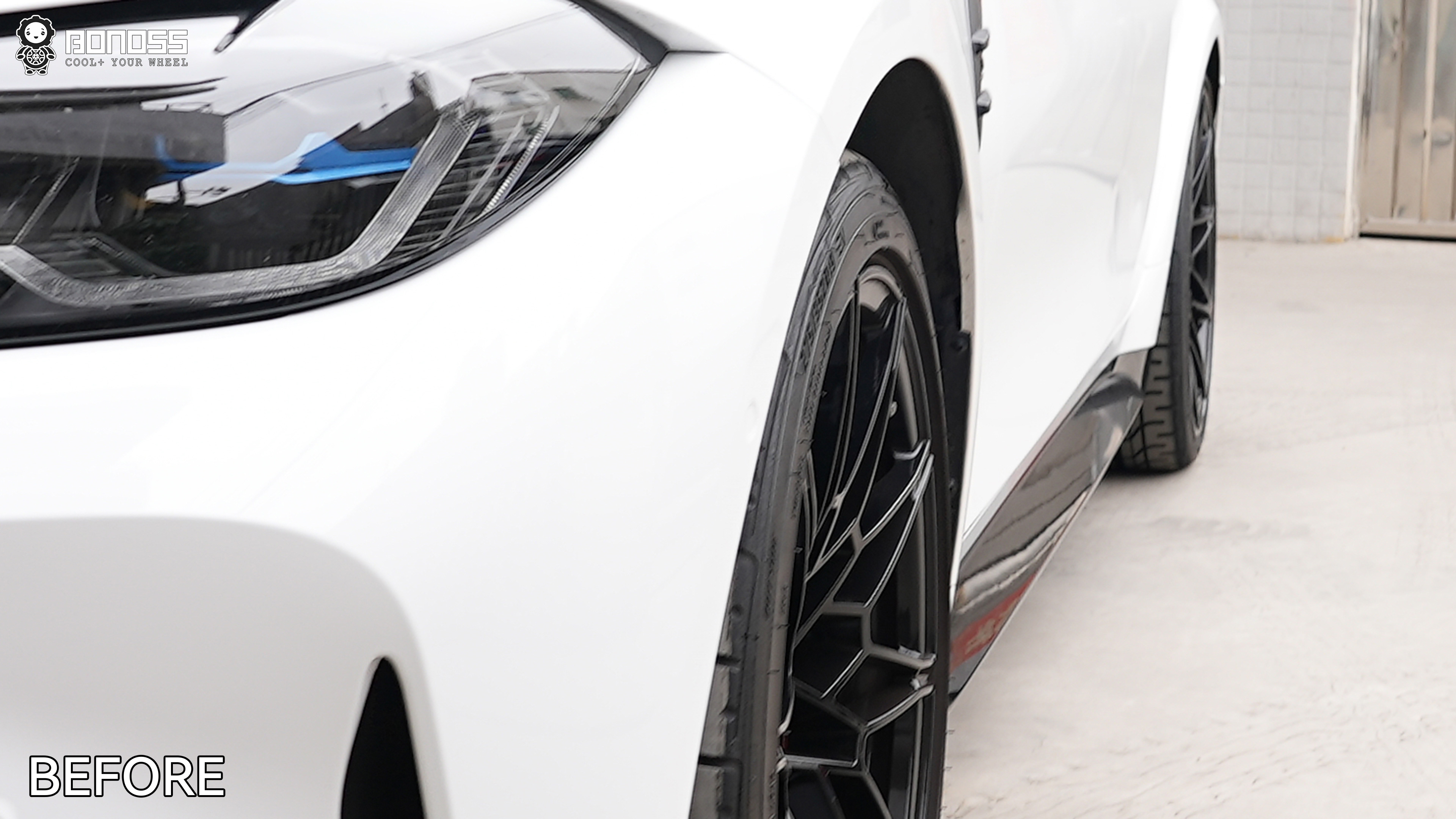
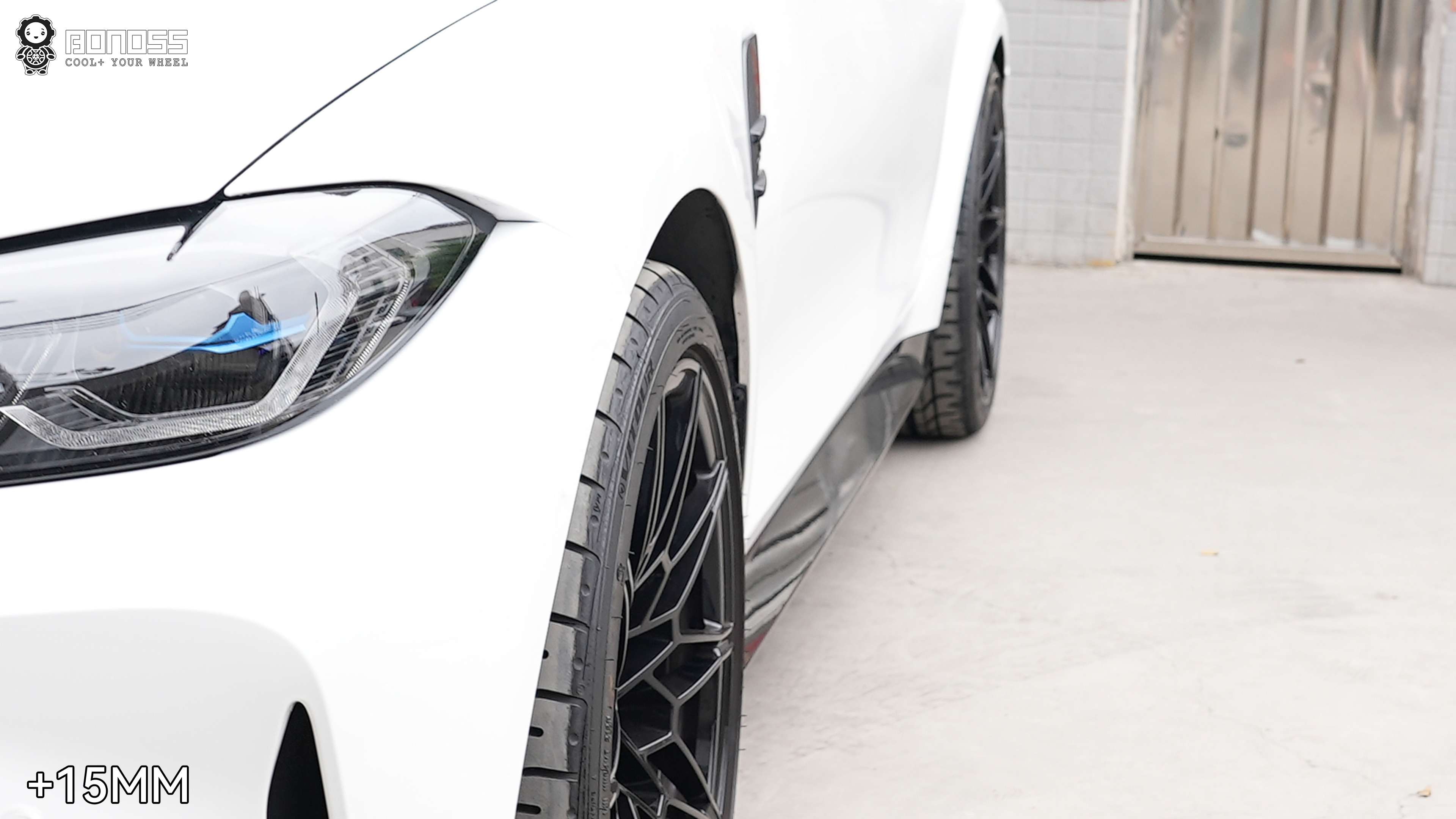
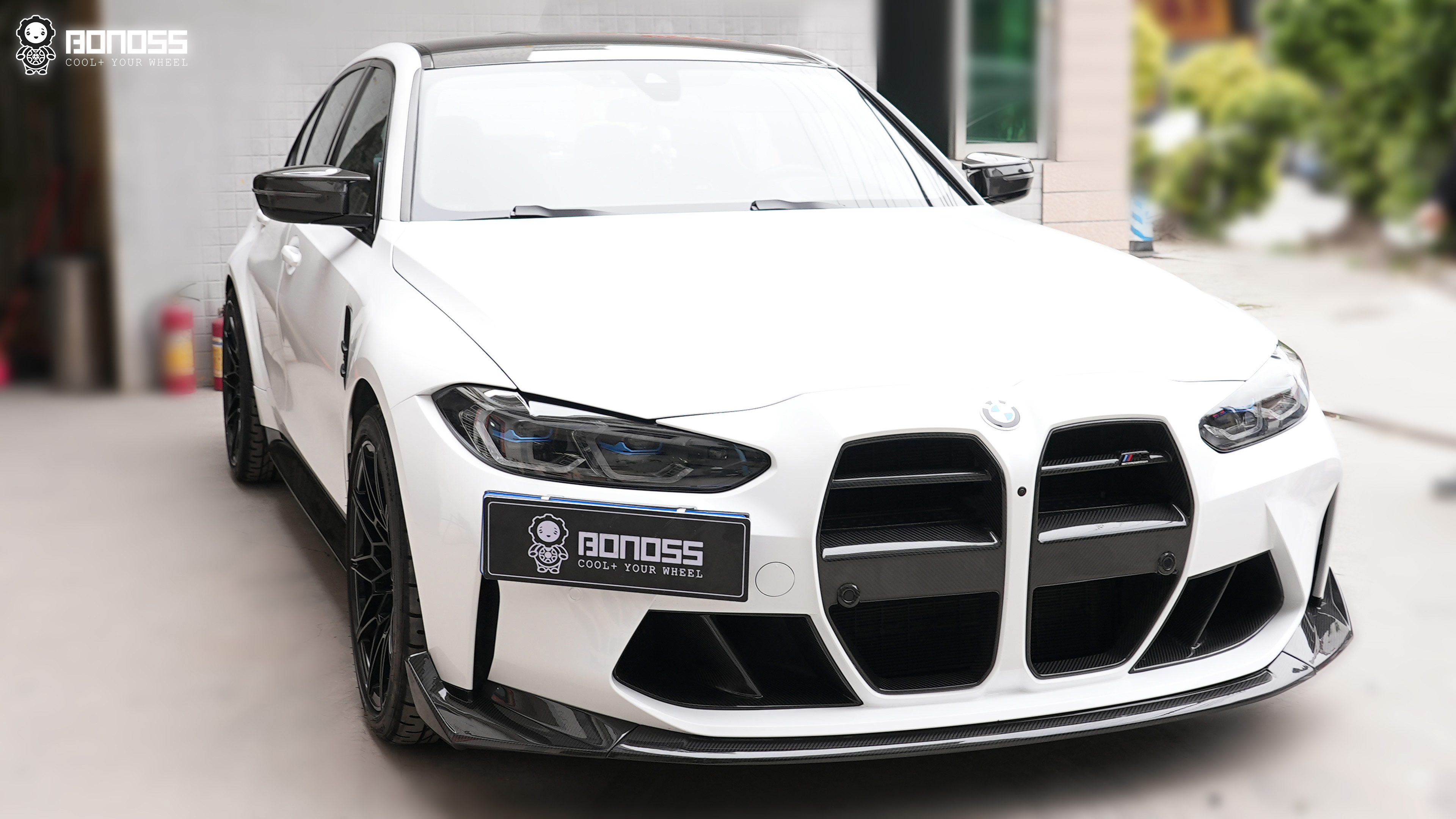
So instead of telling you a theory, here’s an actual install. On January 21, 2026, our shop measured a customer’s 2021 BMW M3 (G80), picked the spacers, and bolted everything up. We filmed the whole thing. What he ended up with was a 15mm spacer up front and a 10mm spacer in the rear, both BONOSS forged lightweight plus units — and a flush stance he’s still happy with 3,800 miles later.
This article is that install, step by step. If you’re shopping for 2021 BMW M3 wheel spacers, this is the reference you can actually use.
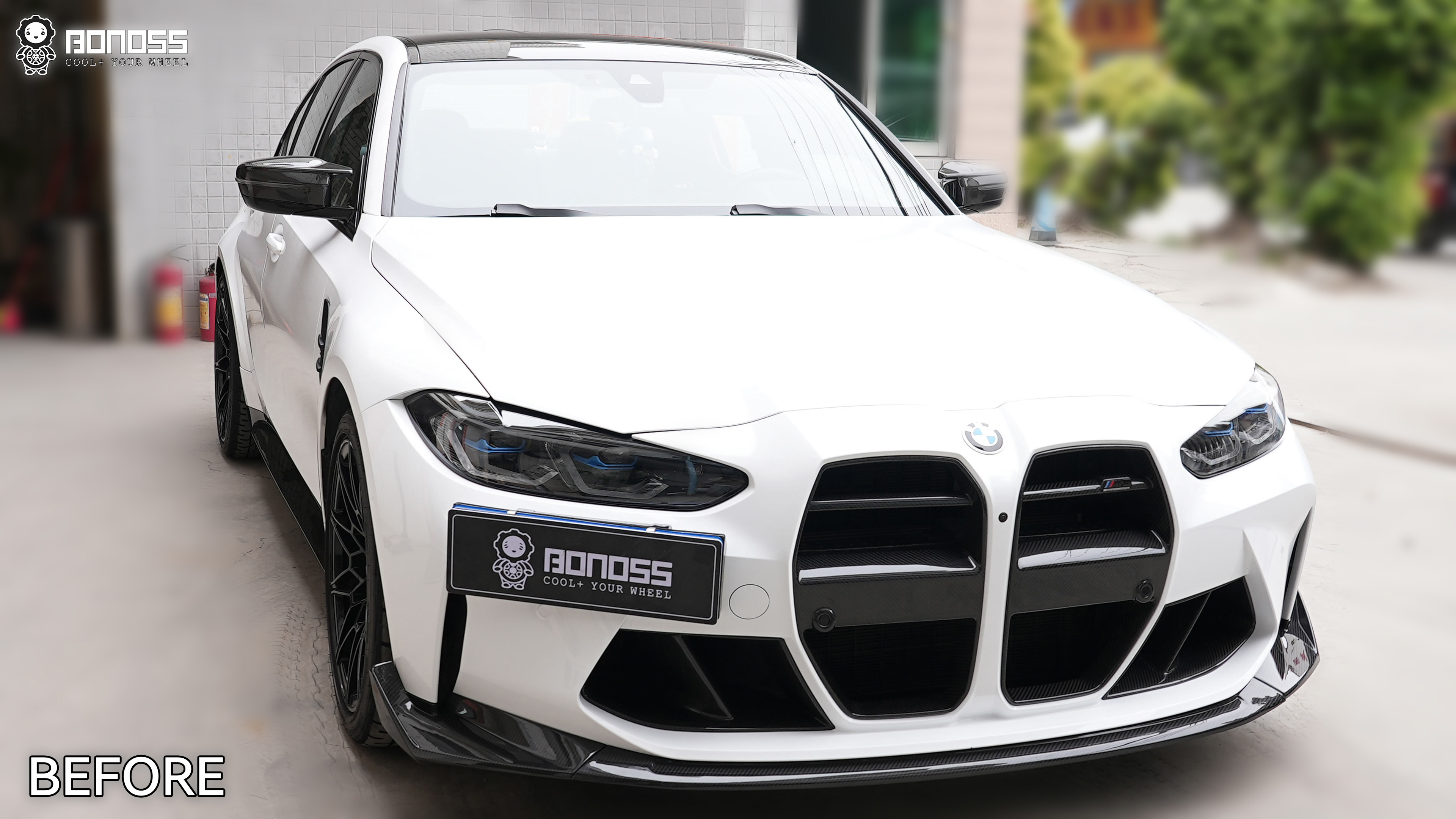
Meet the Car and the Owner
Here’s the setup, so you know exactly what we were working with.
- Owner: Michael Miller
- Car: 2021 BMW M3 (G80)
- Wheels: 285/30R20, ET+20mm
- Bolt Pattern (PCD): 5x112mm (Note: unlike the F80’s 5x120mm.)
- Body: Aftermarket body kit
- Spacers: BONOSS forged lightweight plus wheel spacers
- Front / Rear: 15mm front / 10mm rear
- Final Offset: Front ET+5 / Rear ET+10
- Installed: January 21, 2026
- Price: $334 (labor included)
- Miles since install: 3,800
One detail worth calling out up front: Michael had already modified the car with a body kit. That’s important. It’s the whole reason the stock offset suddenly looked wrong, and it’s why generic spacer advice online wasn’t cutting it.
How He Found Us
Michael didn’t call us out of nowhere. He’d fitted the body kit, stepped back, and noticed the wheels were now tucked deeper into the arches than he liked. The flush look he wanted wasn’t there.
So he did what most of us do — he searched “G80 M3 wheel spacers.” One of our blog articles came up, he read through it, and reached out.
That’s the path, and it’s a common one. Body kit first, then the realization that the wheels need to come out to match. The search term that brought him to us was, for the record, exactly what most M3 owners type: G80 M3 wheel spacers.
The Decision: Why He Almost Didn’t Buy Spacers
Before we did anything, Michael went through the same internal debate nearly every spacer shopper does.
He’d read forum threads — the ones where people insist wheel spacers are unsafe, and that the “correct” fix is to buy new wheels with a different offset. He reached out to other brands too, comparing specs and prices. For a while, he was leaning toward just swapping wheels.
What changed his mind was a specific combination of things:
- He didn’t want to replace his factory wheels. He liked them. New offset wheels were an expensive fix for a problem that was really just “10 to 15mm of gap.”
- He saw what a proper flush stance actually looks like with spacers installed, and it was exactly the look he’d been chasing.
- He cared about track safety. His one lingering question was blunt: “If I install these and take the car racing, is it safe?”
That last point is where the conversation got real, and it’s worth spelling out, because it’s the thing that actually sells a quality spacer — or should.
Our answer wasn’t “trust us.” It was documentation. We showed him the SGS test report for our extended M14x1.25 wheel bolts, which recorded a tensile strength of 1282 MPa and a proof load of 970 MPa, both tested to ISO 898-1:2013. We also showed the TÜV report for the 7075-T6 wheel spacers, with a measured hardness of 146 HBW 5/250 per ISO 6506-1.
What does that mean in plain terms? The bolts are strong enough to hold a wheel on through track abuse, and the spacer body itself is hard enough that it won’t deform under the clamp load and heat of a hard session. You don’t need to memorize the numbers — but they’re the difference between a spacer that’s *rated* and one that just looks machined.
A quick note so nothing gets misread: bolts and nuts of different thread sizes will always measure differently. The numbers above are specific to this M14x1.25 setup. If your car runs a different thread, your numbers will differ, and the only thing that matters is the actual certificate for your hardware. We keep those reports public, so you never have to take our word for it.
He also asked us to compare the two alloys, 6061-T6 vs 7075-T6. The short version: 7075-T6 is the stronger of the two, which is why it’s what you want if track days are in your future. That, plus the multi-stage hub-centric design we’ll get into below, sealed it. He went with the forged 7075-T6 set.
That was the answer to the safety question, and it’s one we’d give any M3 owner — the same reasoning behind whether G80 spacers are safe.
The Install: Measuring First, Then Mounting
This is where most spacer “guides” fall apart — they tell you the answer without ever measuring the car. We don’t work that way. We measured everything before touching a single bolt, and we’ve got the photos to prove it.
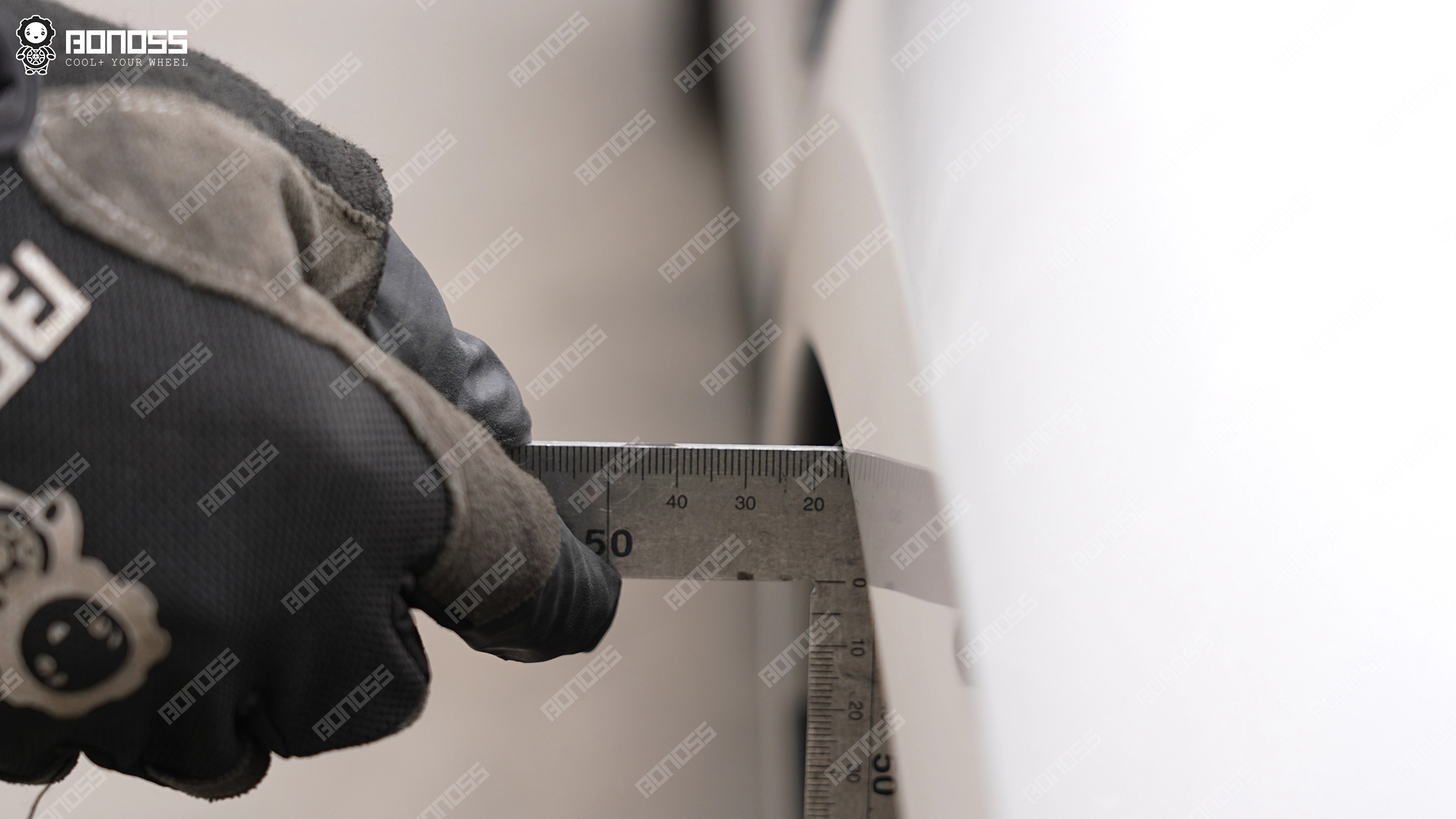
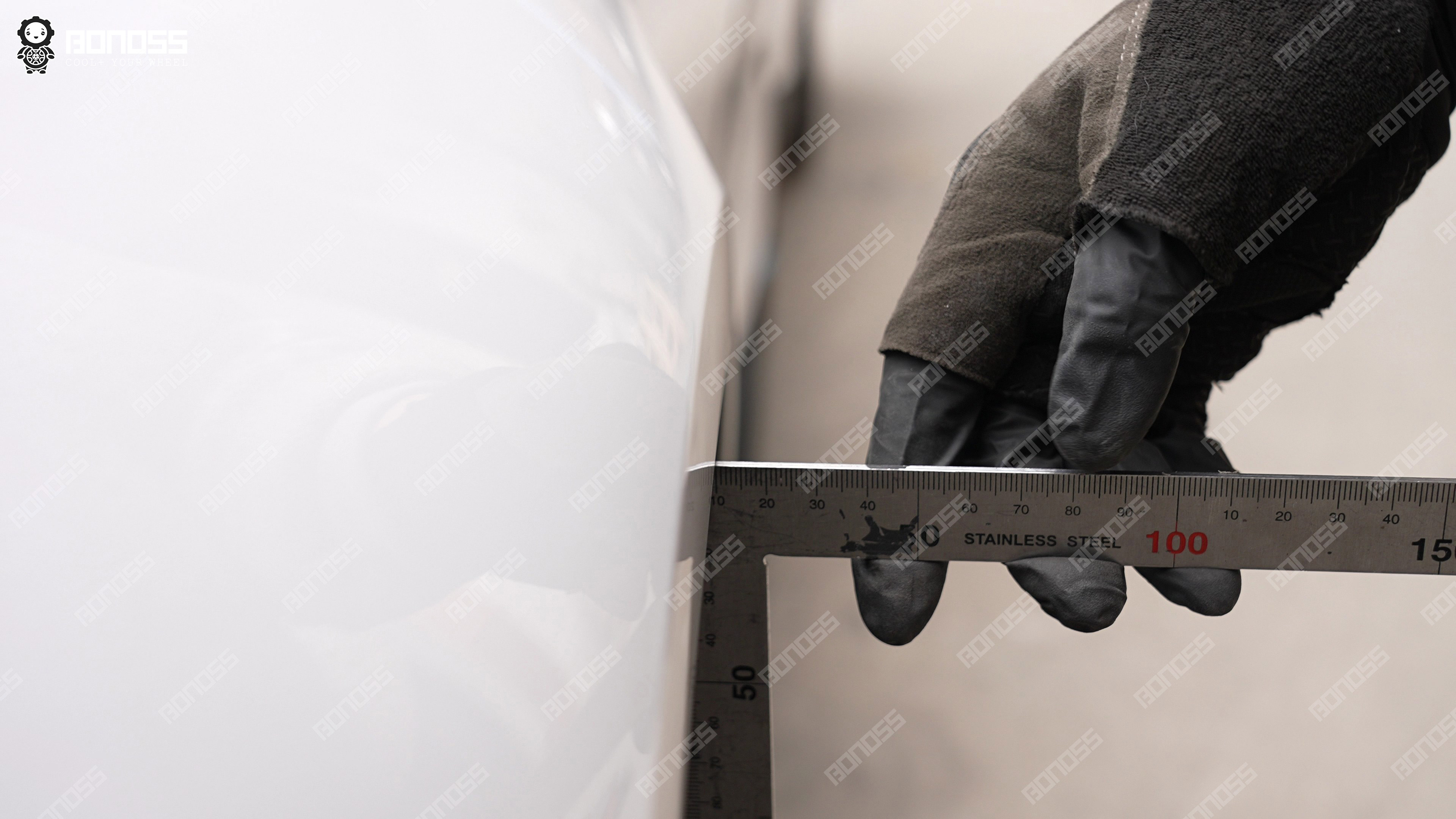
Step 1 — Find the flush target
Before ordering anything, we needed to know how far the wheels had to come out. We took a high-accuracy ruler and measured the gap from the tire shoulder to the fender at each corner, so we could see exactly how much spacer the flush look required.
Step 2 — Measure the hub, not guess
The spacer has to match the hub, and the hub on a G80 has a lip that the spacer’s center bore has to clear. So we broke out the vernier caliper and micrometer and measured the actual car — not the spec sheet.
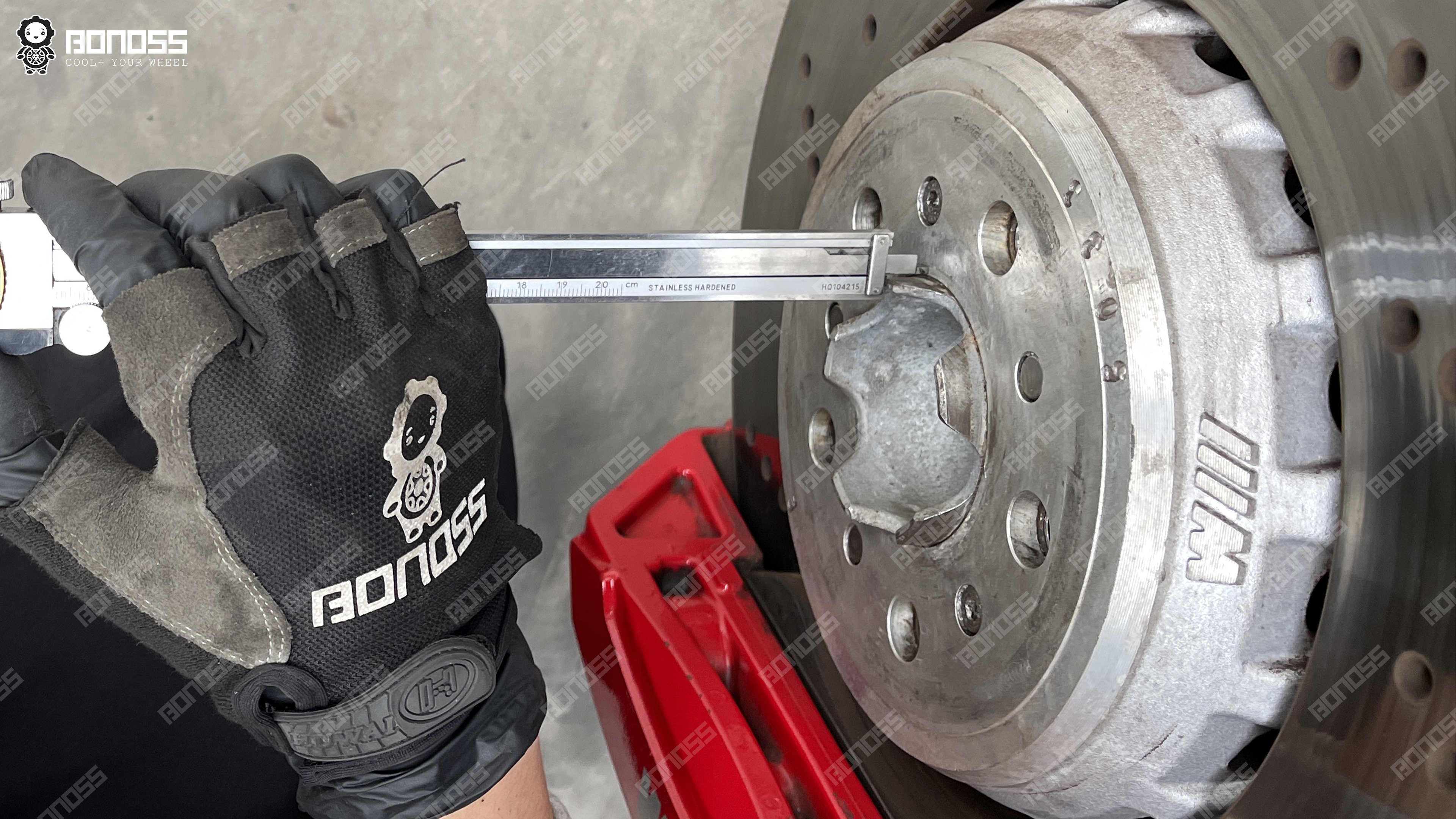
The hub lip measured 11.12mm on the front and 11.36mm on the rear.
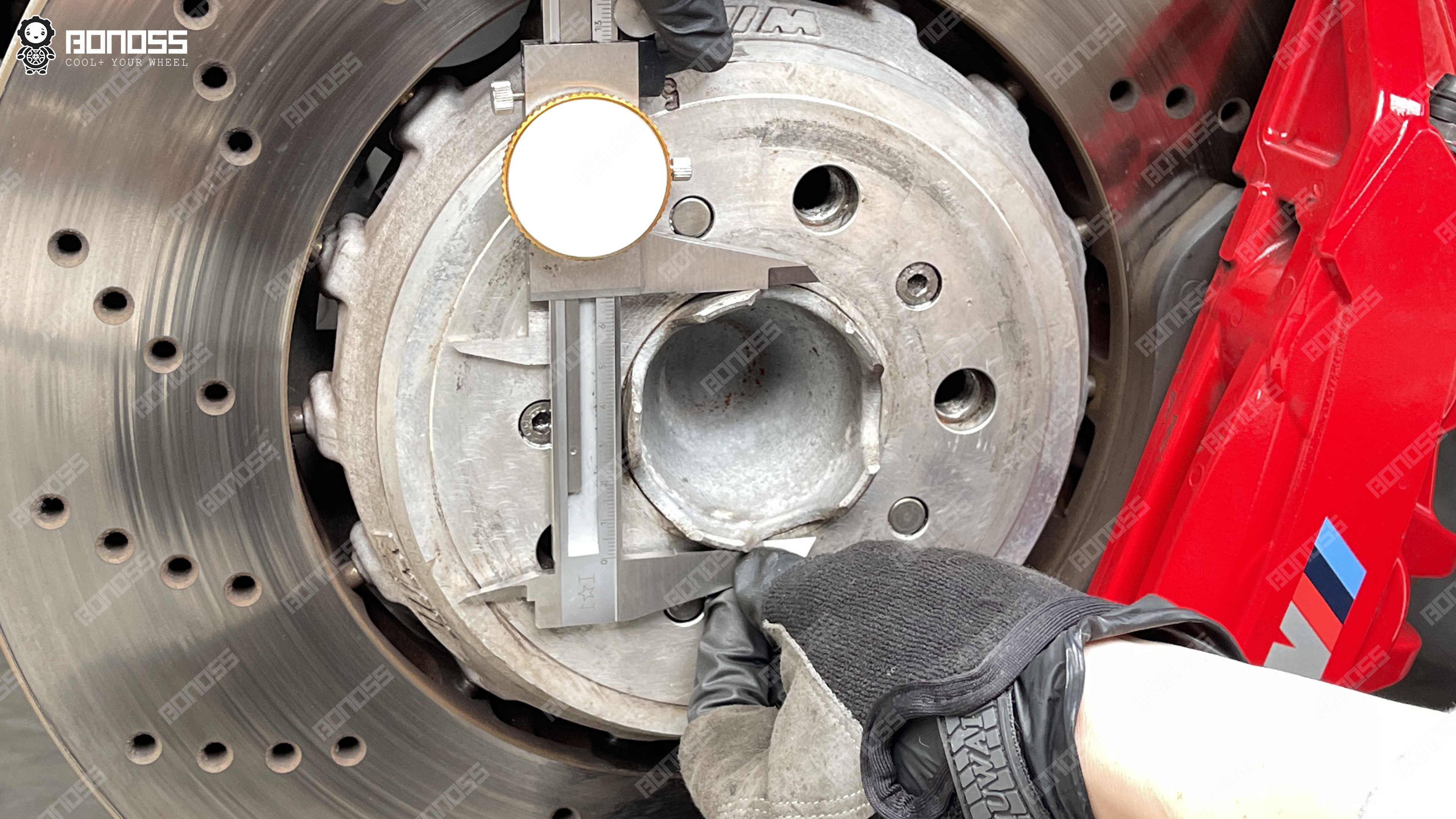
The hub center bore came in at 66.46mm. That’s the number your spacer’s bore has to match, or you lose the hub-centric advantage.
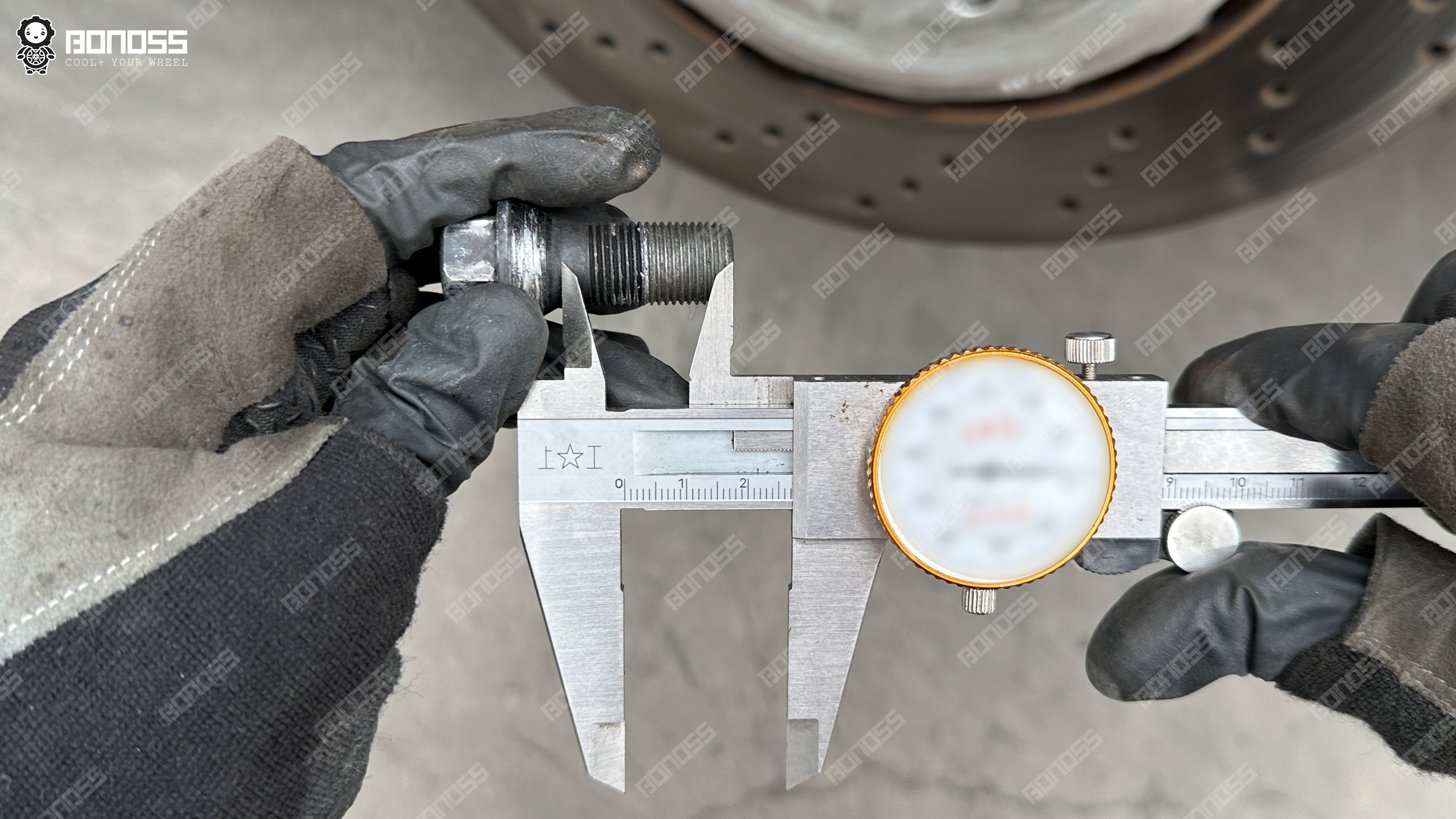
The factory bolt shank below the seat measured 27mm. That’s critical, because once you add a spacer, the original bolt no longer reaches far enough through the wheel. You need longer bolts.
The two real problems we hit — and how we solved them
Problem 1: How thick should it actually be?
Michael’s body kit made the car non-standard, so there was no chart that told us “use 15mm.” We measured the wheel-to-fender clearance at each corner and landed on 15mm front, 10mm rear. It’s a judgment call based on real numbers, not a guess — and it’s exactly why we measure instead of assuming.
Problem 2: 10mm spacer vs an 11.36mm hub lip — a rule that looks broken
Here’s the part that would’ve tripped up most people. The rear hub lip is 11.36mm tall, but we installed a 10mm spacer. On the surface, that violates the standard rule that a spacer must be at least as thick as the hub lip height. A plain 10mm spacer wouldn’t sit flush — it would ride up on the lip.
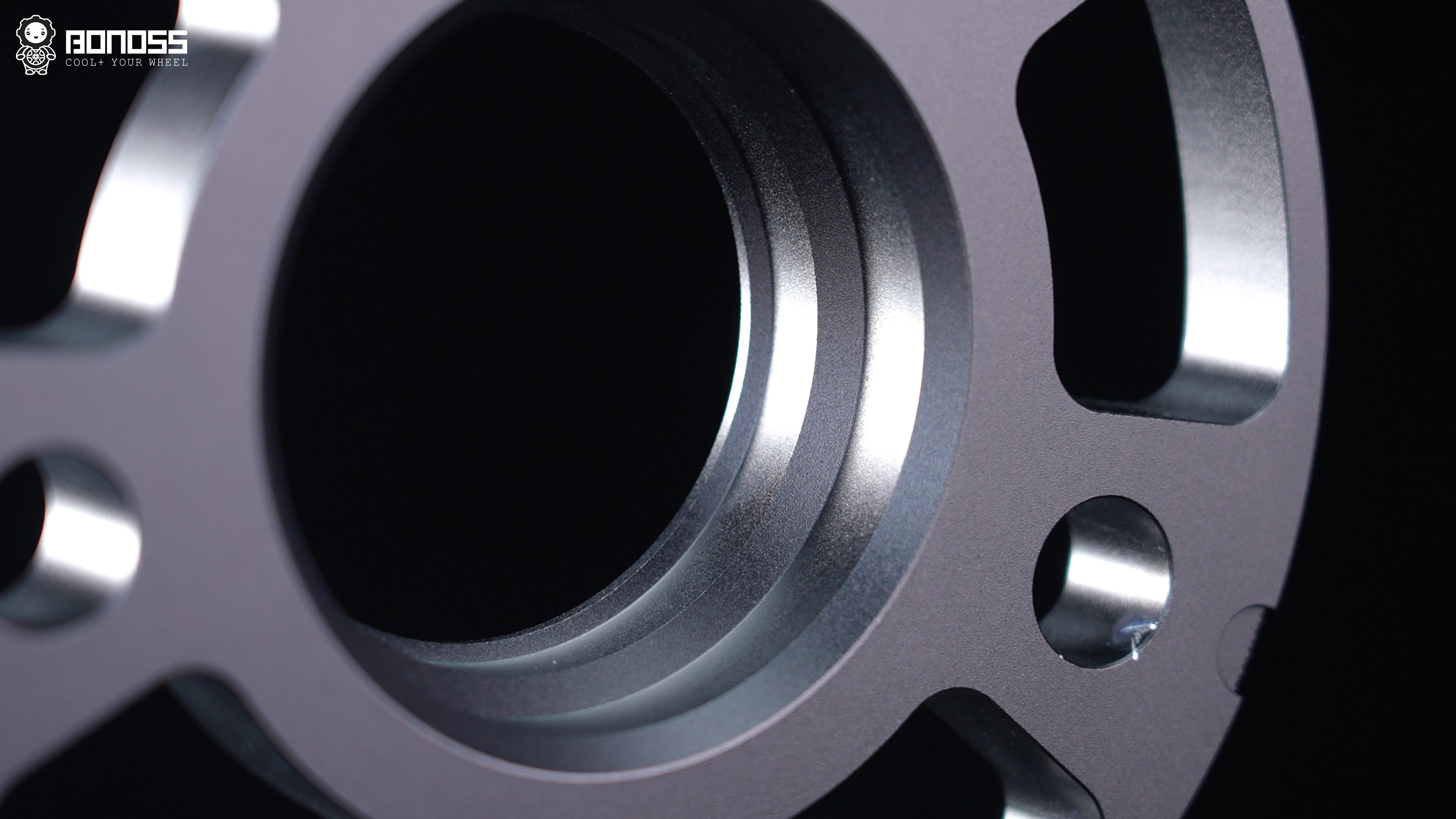
The reason it worked is specific to the BONOSS design. The multi-stage hub-centric spacer has a chamfer cut into the back of the center bore, which lets the hub lip sit deeper into the spacer than the nominal thickness. That chamfer pocket accepts up to 11.5mm — enough to clear the 11.36mm rear lip even on a 10mm spacer.
Important: This fitment only works because of that chamfered, multi-stage hub-centric design. Do not assume any 10mm spacer will clear an 11.36mm hub lip. A generic flat 10mm spacer will not seat correctly here. If your hub lip is taller than your spacer, you either need a thicker spacer or a spacer with this specific machined relief.
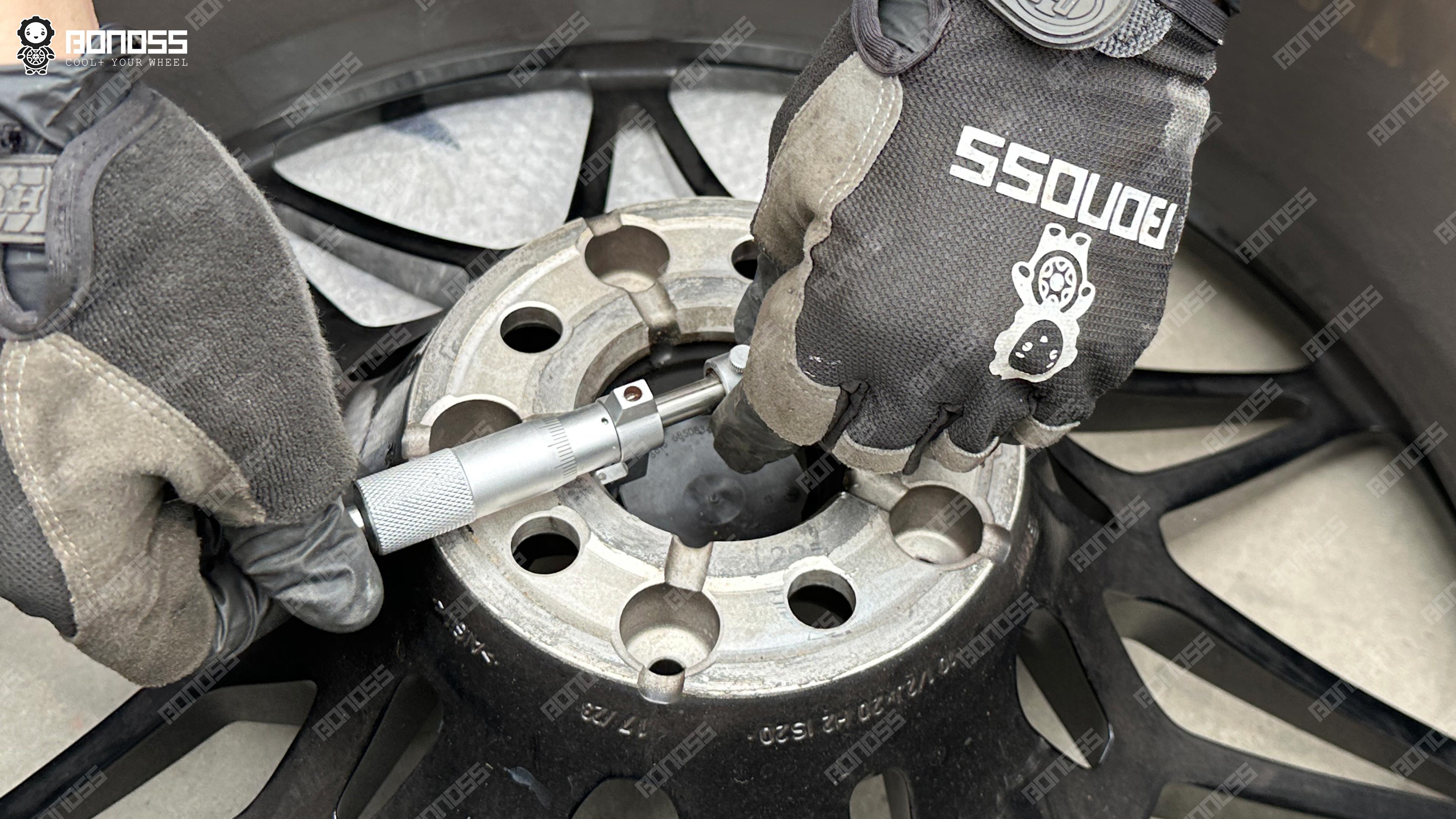
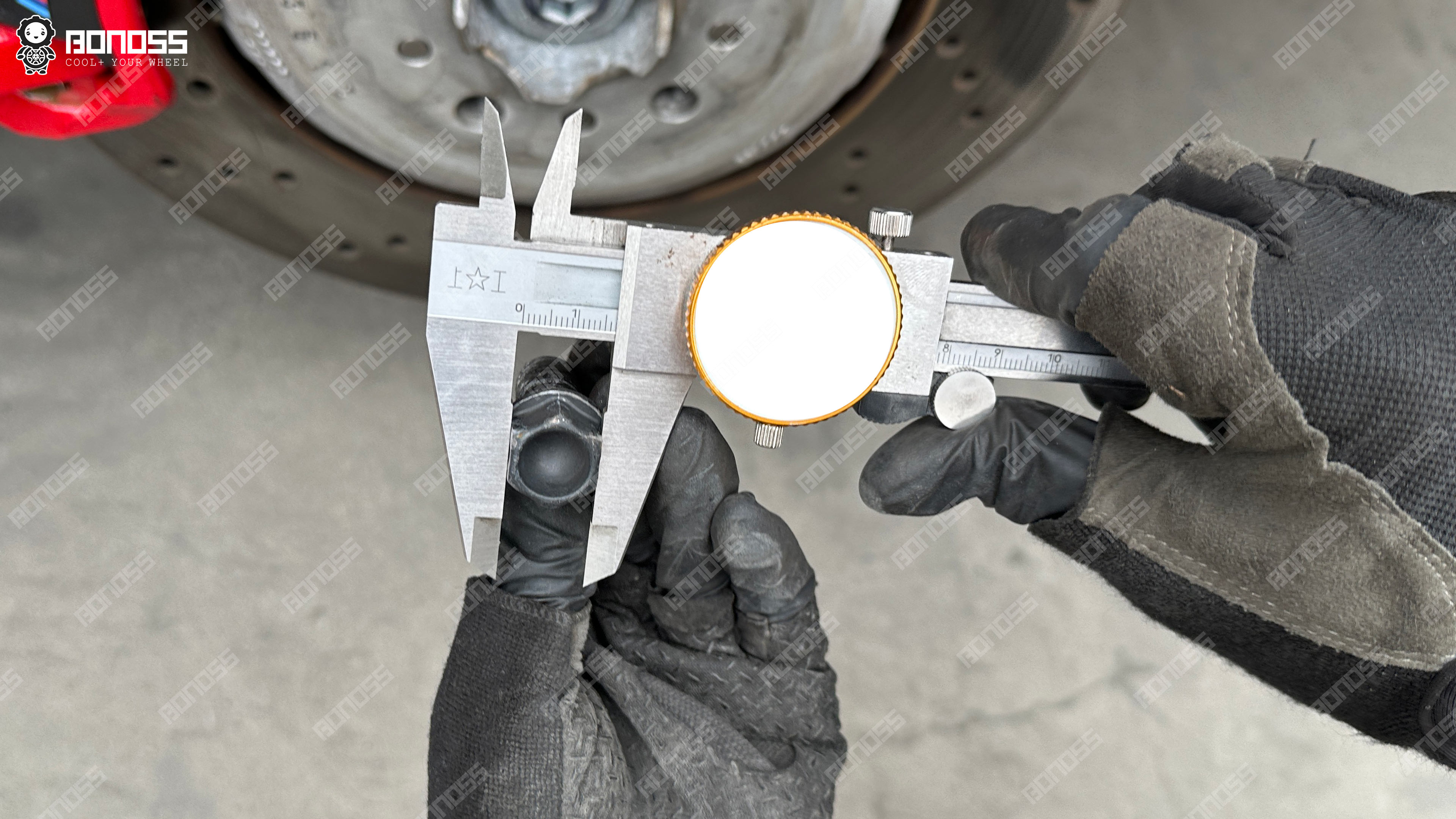
The last two measurements are the ones that confirm the hub and bolt match. We verified the wheel’s center bore with a micrometer and the bolt head hex with a vernier caliper.
Step 3 — Torque and finish
We mounted the spacers, installed the extended bolts, and torqued everything to 140 Nm (or per the factory recommendation for your application). The whole job took about an hour.
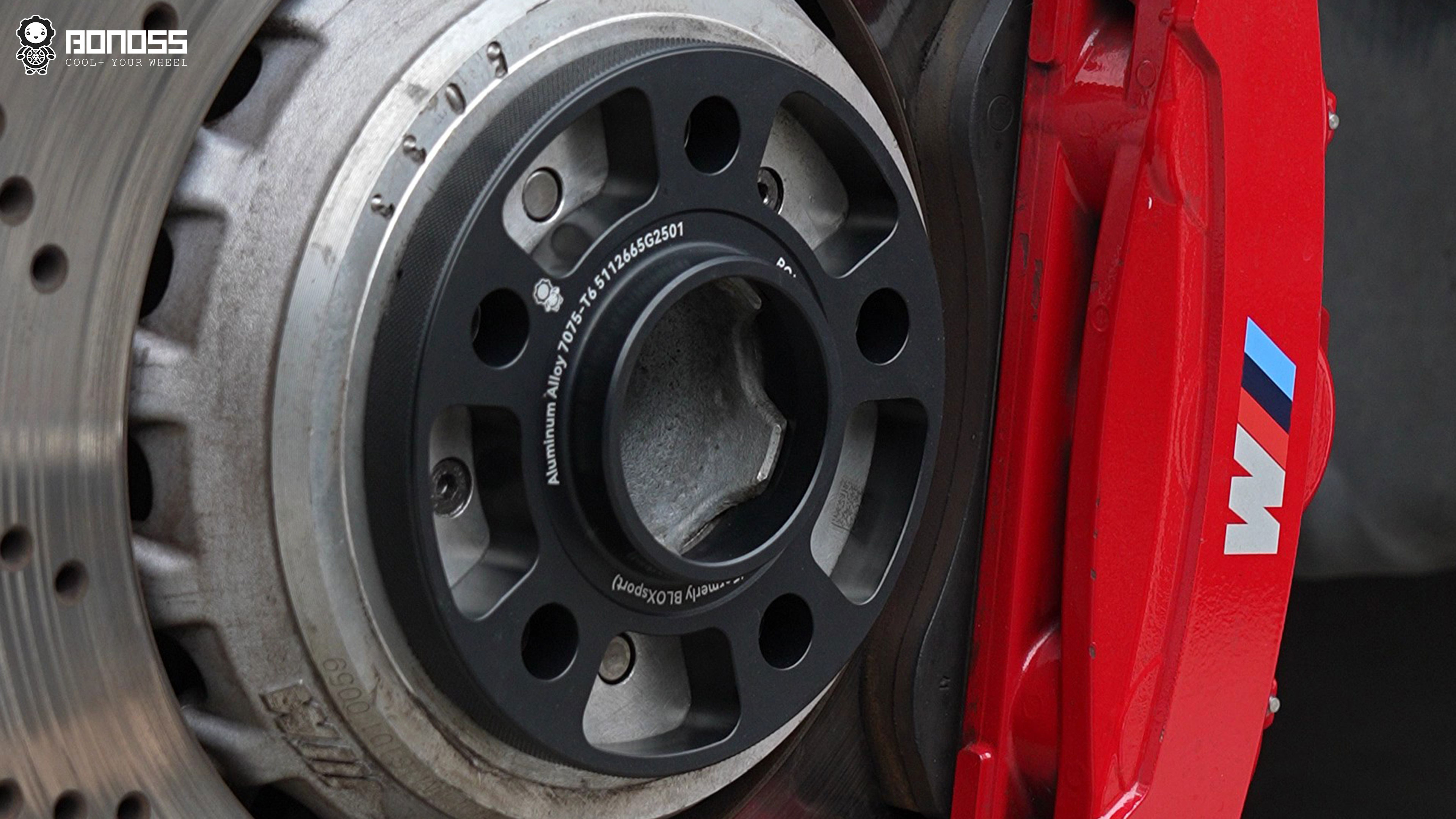
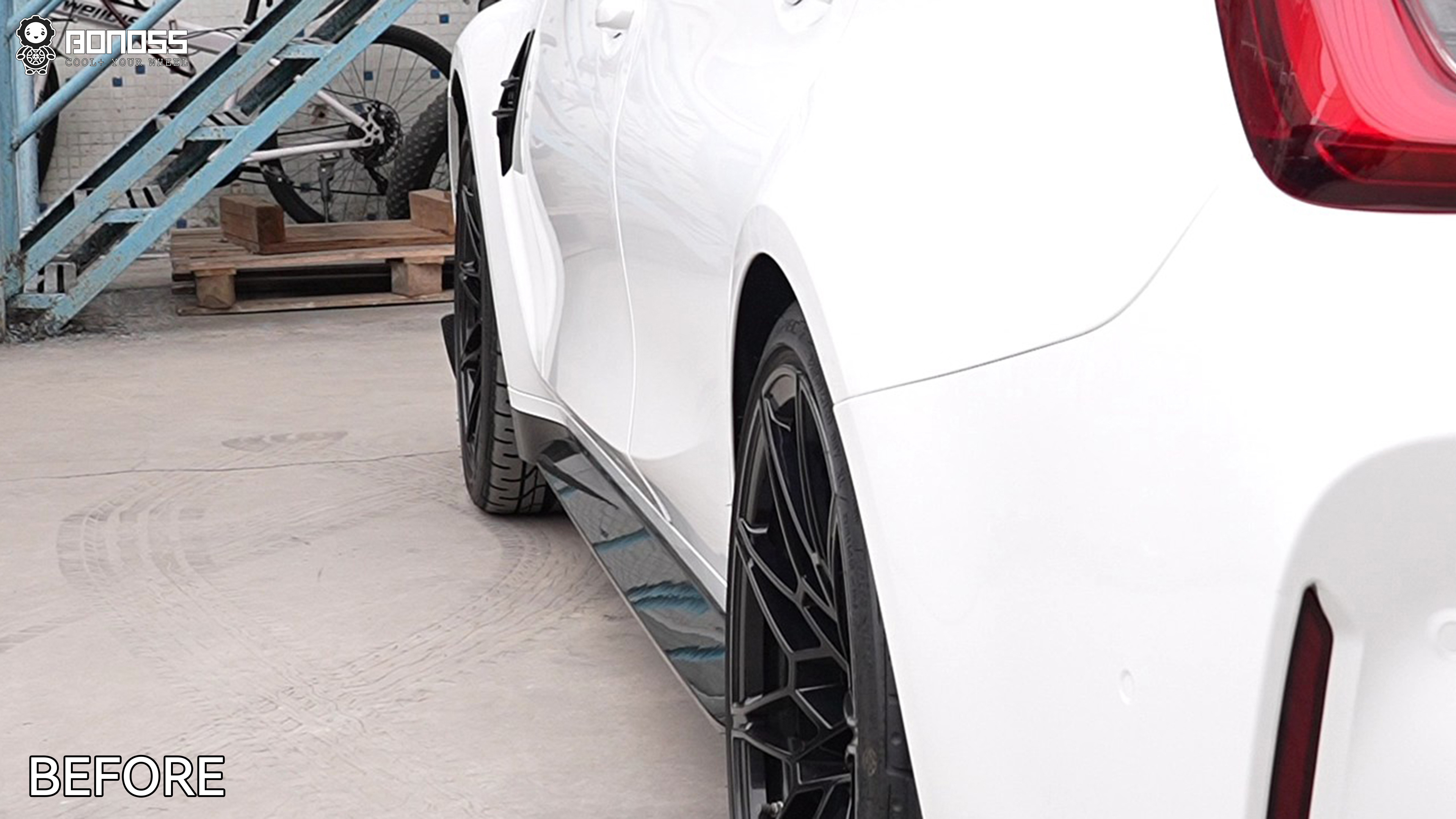
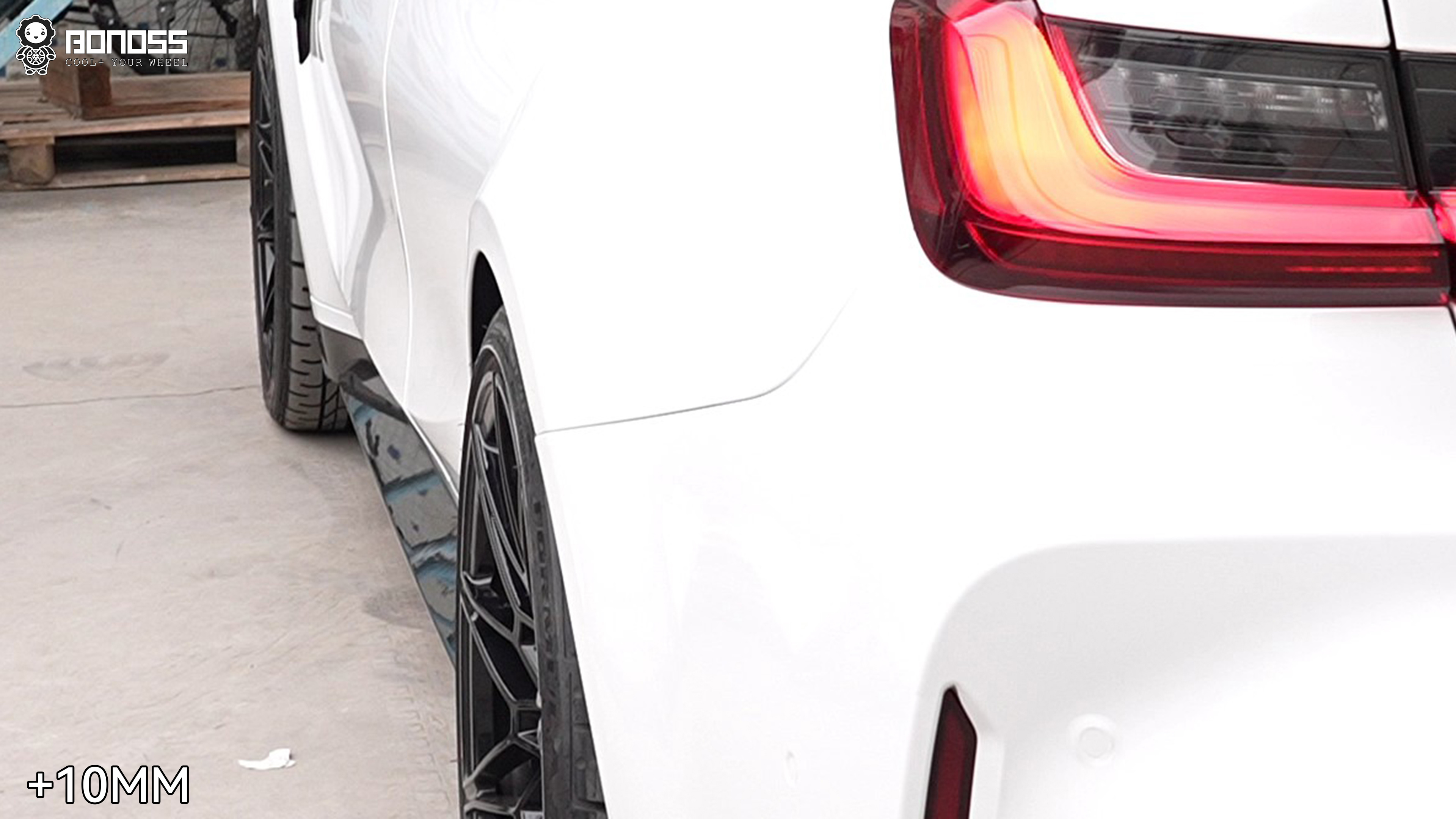
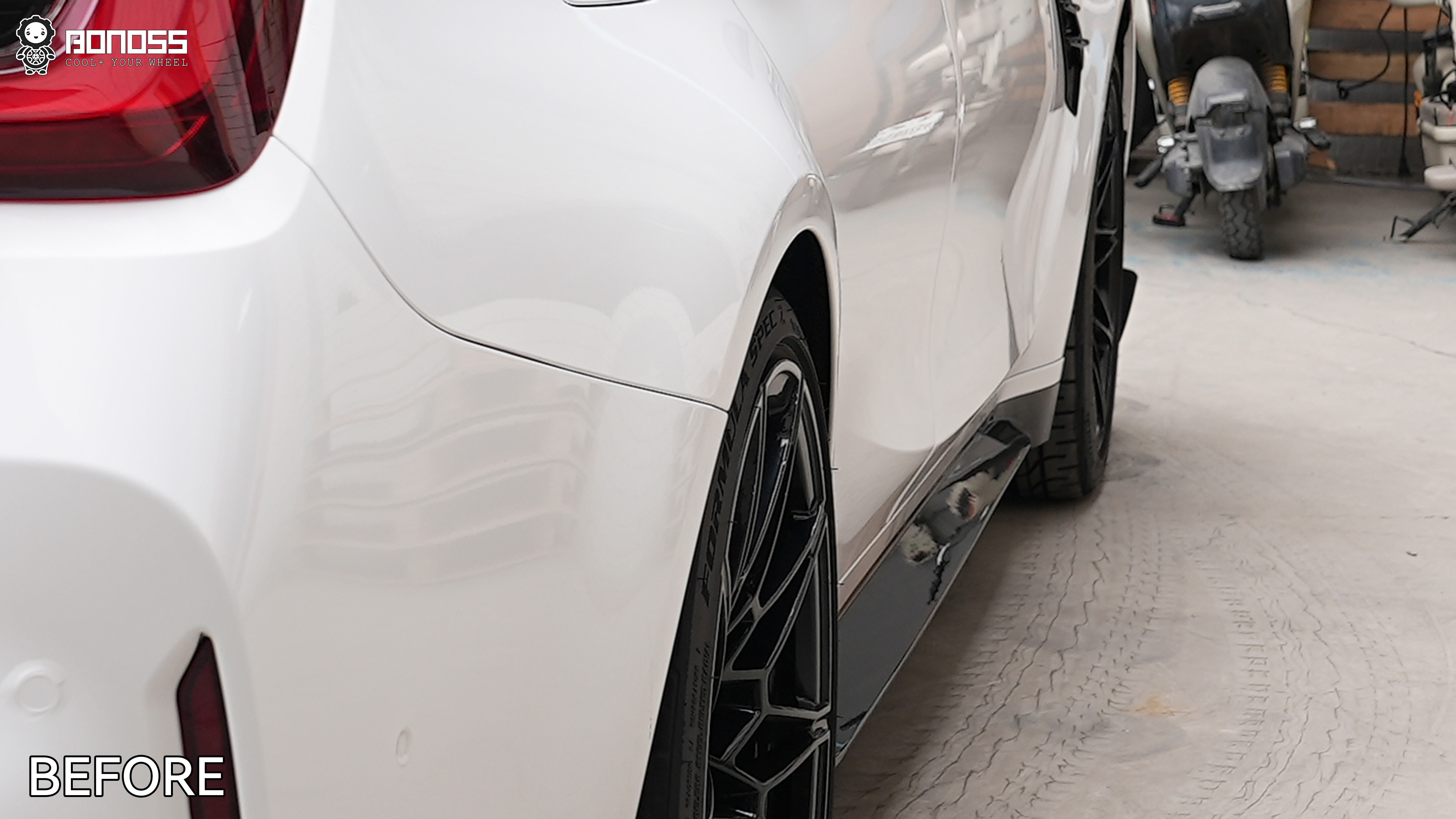
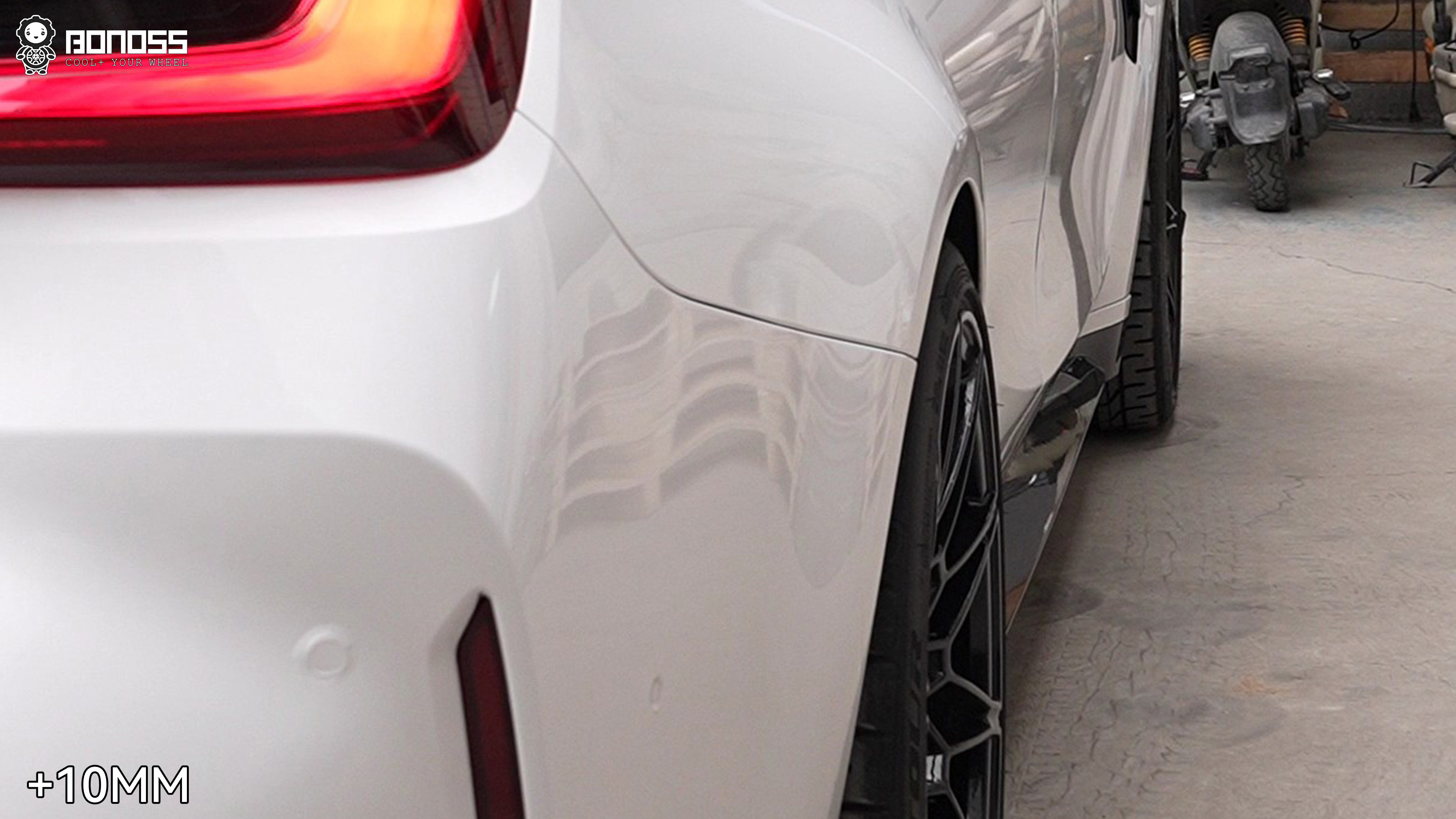
Here’s the before-and-after at every corner. The difference is subtle in photos but obvious in person — the wheel shoulder now lines up with the fender instead of sitting inboard.
How It’s Held Up: 3,800 Miles, Four Track Days
An install that looks good on day one is one thing. One that survives a season of abuse is another. Michael’s been running the spacers since January 21, 2026, and here’s his own account:
“Put 3,800 miles on the spacers so far, including 4 track days with the G80. They’re still holding up great. The spacers still look great. Handling is improved, zero rubbing, and no impact on acceleration. Perfect, no complaints. Love this company.”
That’s the part of the review we care about most, because it’s not about the day-of install. It’s about what happens after — track days, hard cornering, heat, and 3,800 miles of real driving.
And his take on the whole buying experience:
“These guys were prompt and had solid customer service. Helped me nail down the right spacers for my G80 M3. Finish on them is really clean and they’re pretty light. Went with the 7075-T6 set for track days and some spirited driving.”
“Flush fitment looks awesome! Really nice wheel spacers at a reasonable price. BONOSS rocks!”
FAQ
Do 10mm spacers fit the rear of a G80 M3 given the 11.36mm hub lip?
Only if the spacer uses a multi-stage hub-centric design with a chamfered center bore. A standard flat 10mm spacer won’t clear the 11.36mm hub lip and won’t seat correctly. This is why the BONOSS design matters here.
Do I need longer wheel bolts with spacers?
Yes. The factory M14x1.25 bolts on the G80 are about 27mm below the seat, which isn’t enough once you add a 15mm spacer. You’ll need extended bolts with 42mm of thread.
Are wheel spacers safe for track use?
When installed correctly with high-quality hardware, yes. Quality comes down to documentation — look for bolt tensile and proof-load ratings (like the 1282 MPa / 970 MPa SGS figures here) and spacer hardness tests (146 HBW for the 7075-T6 spacer). If a brand can’t show test reports, that’s a red flag.
6061-T6 or 7075-T6 — which should I get?
7075-T6 is the stronger alloy. If you’re planning track days or spirited driving, it’s the better choice, and it’s what Michael picked.
How long does the install take?
About an hour for a measured, torqued, four-corner install.
What spacer thickness did this G80 end up with?
15mm front and 10mm rear, taking the factory ET+20 offset to ET+5 front and ET+10 rear for a flush stance.
Should You Do the Same?
If you’ve got a body kit and your wheels suddenly look tucked, don’t guess at spacer thickness — measure it. And don’t buy on price alone; buy on whether the manufacturer can show you the test reports behind their bolts and their alloy.
For this specific G80, the answer was 15mm front, 10mm rear, forged 7075-T6, hub-centric, with extended M14x1.25 bolts — and it’s been flawless through 3,800 miles and four track days.
If you’re shopping for 2021 BMW M3 wheel spacers, check out our BONOSS forged lightweight plus BMW M3 G80 wheel spacers and our best G80 M3 wheel spacers guide, or reach out and we’ll help you size it right, the same way we did for Michael.

About Daisy Harris
Daisy Harris has worked for 6 years at BONOSS as an automotive technician, installing and testing wheel spacers, wheel nuts, and wheel bolts. She has personally installed and verified more than 200 wheel-spacer setups across sport sedans, SUVs, and EVs. Her installation guides and reviews are built on real installs, measured clearances, and long-term wear notes — not on spec sheets.