The Ford Maverick wheel spacers are helpful components in upgrading wheel style and performance. By increasing the track width, the contact points of tires are expanded, which results in more stability. This enhances the rollover resistance and handling. For many trucks, this is good for improving off-roading performance.
Properly spacing out the wheels and tires boosts the overall look of your truck. The correct sizes of wheel spacers allow you to install performance wheels and tires without potential rubbing issues. The only problem is what size Ford Maverick wheel spacers do I need and who makes the best spacers?
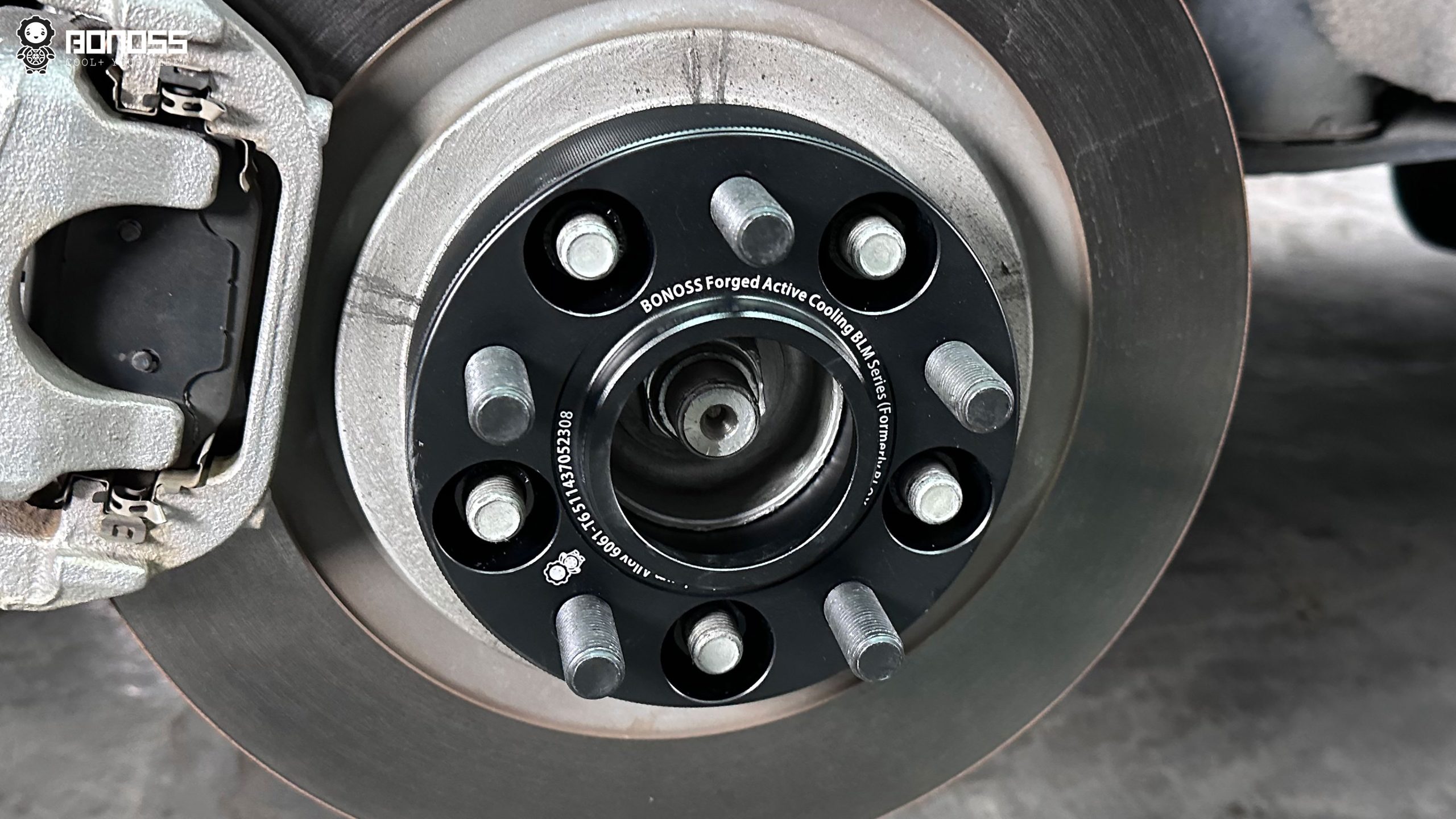
What Sizes Ford Maverick Wheel Spacers Are the Best?
Different sizes of Ford Maverick wheel spacers directly impact the look and functionality of your vehicle. Technically speaking, you can run 12mm to 50mm (1/2-inch to 2-inch) wheel spacers with no problems. However, the fender gap determines how thick the wheel spacers will fit perfectly without rubbing issues.
Take a straight edge and place it against the outermost part of the rims/tires, then measure from the outside wheel to the fender line to see how much space you have available. If the value is 25mm, then it is recommended to use 25mm wheel spacers. Here are some safety considerations for each size:
- 12mm to 15mm: Ideal for an OEM-like look. These spacers are generally safe for most vehicles without significant modifications. They provide enough space to clear big brake calipers.
- 20mm to 30mm: Moderate aesthetic improvement. They provide a wider wheel stance for most trucks. A broader wheel style can make your vehicle look more powerful and attractive.
- 35mm to 40mm: If you plan to add wider AT tires or a lift kit, these spacers can help prevent the wheels from rubbing against the fenders or any other suspension components.
- 45mm to 50mm: More aggressive stance. They are usually used for off-roading vehicles and specialized wide-body applications. It’s vital to opt for a high-quality hub-centric set.
Why BONOSS Ford Maverick Wheel Spacers Stands Out?
When it comes to the best Ford Maverick wheel spacers for your truck, safety and performance should be the top priorities. From the most basic theory to actual drawing and mapping, BONOSS endows a meticulous heart and strict requirements. There are several key advantages that make BONOSS spacers a top choice.
1. Effective Active Cooling Advantages
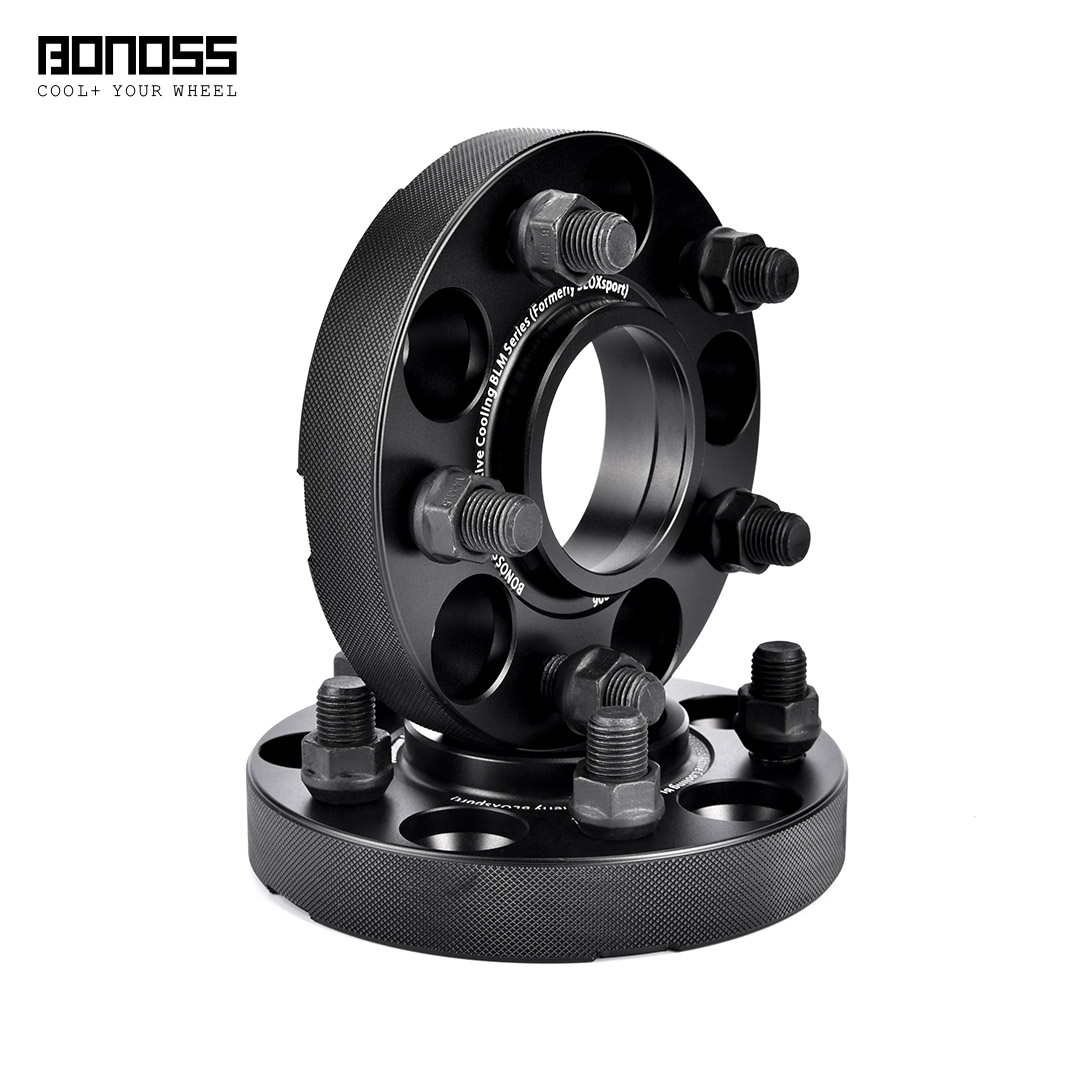
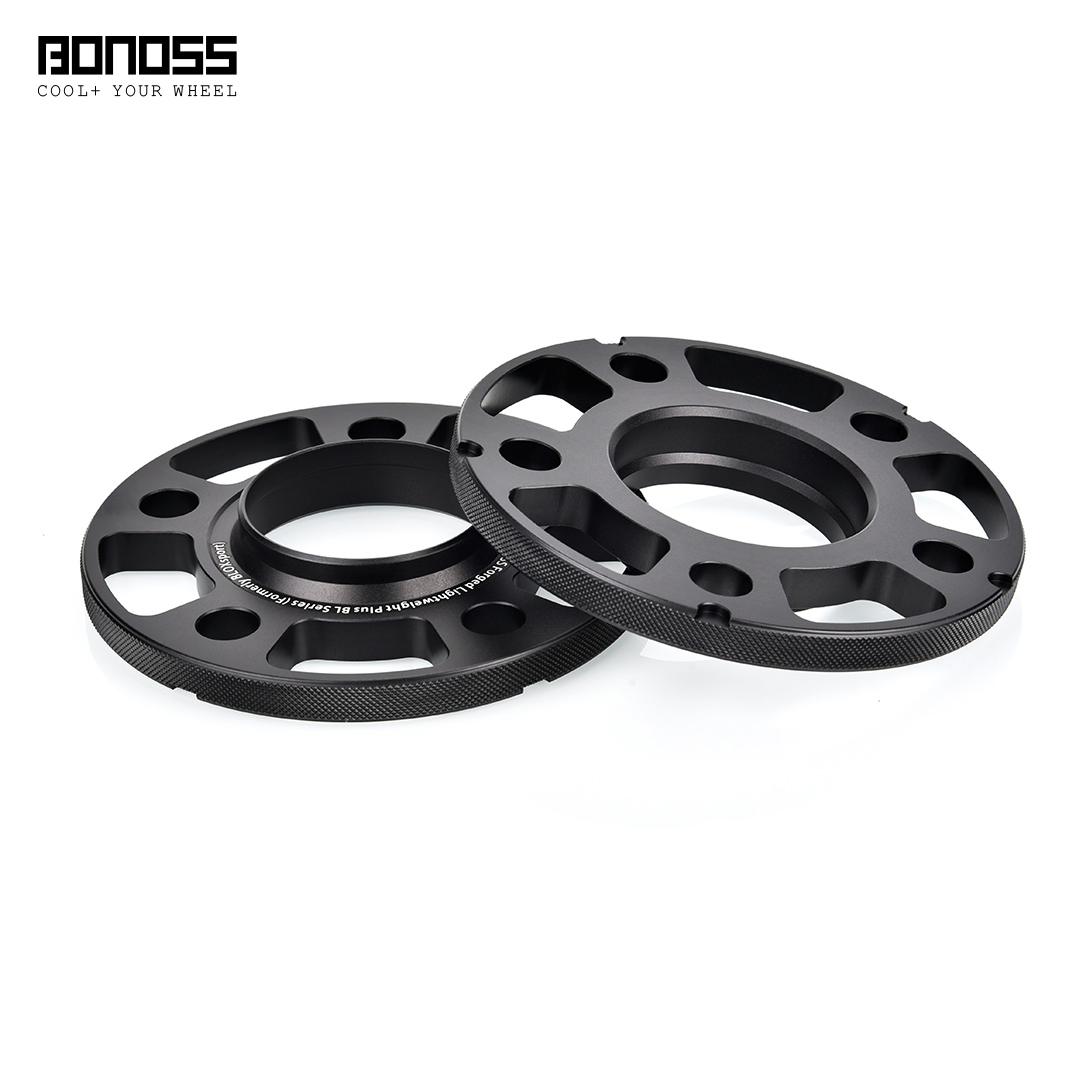
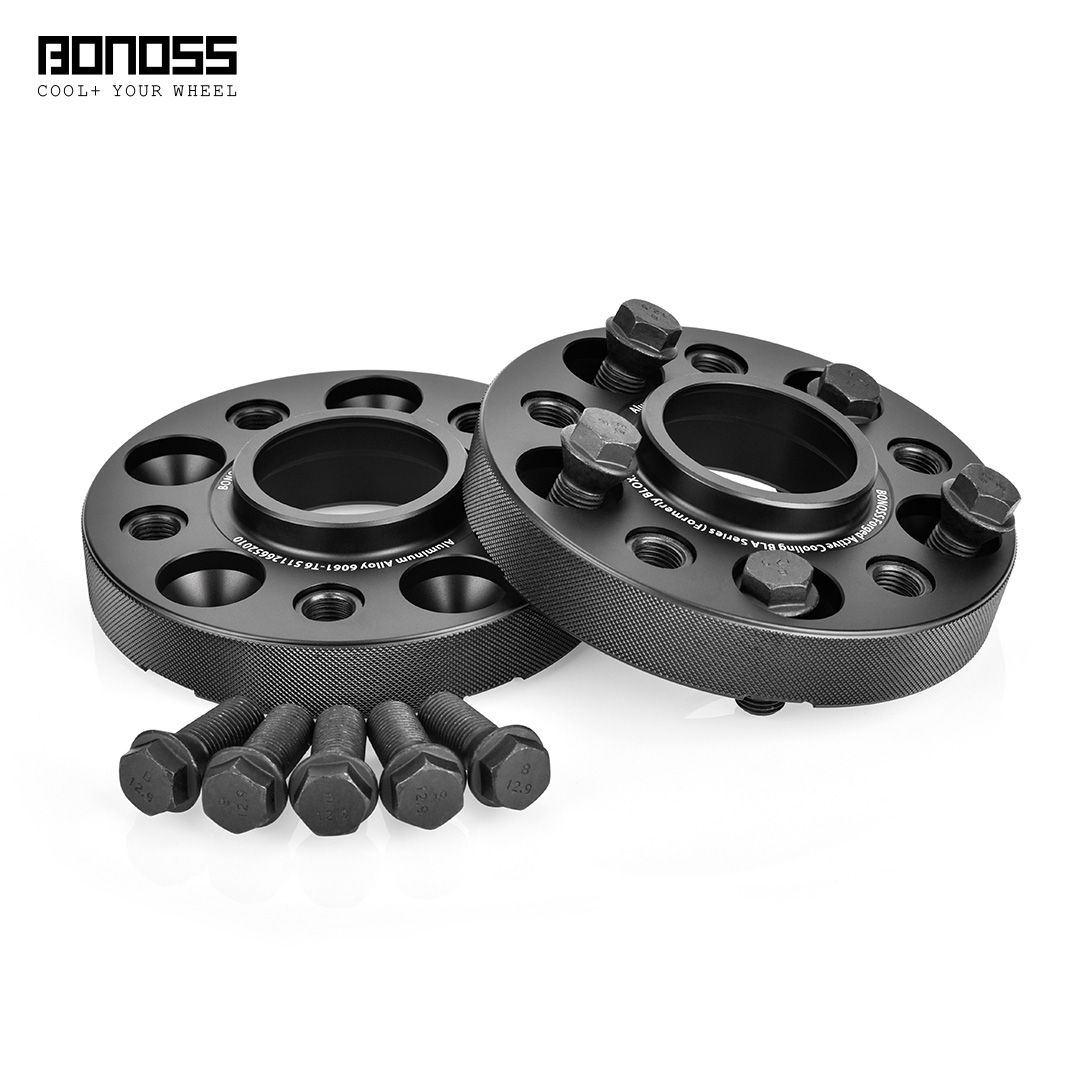
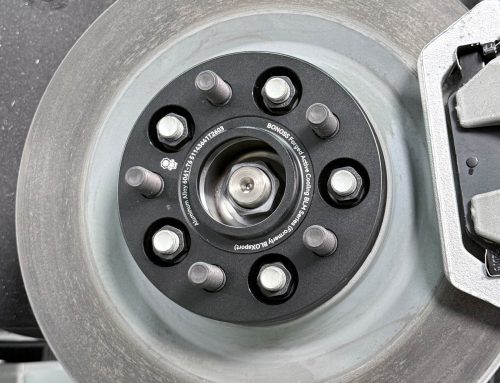
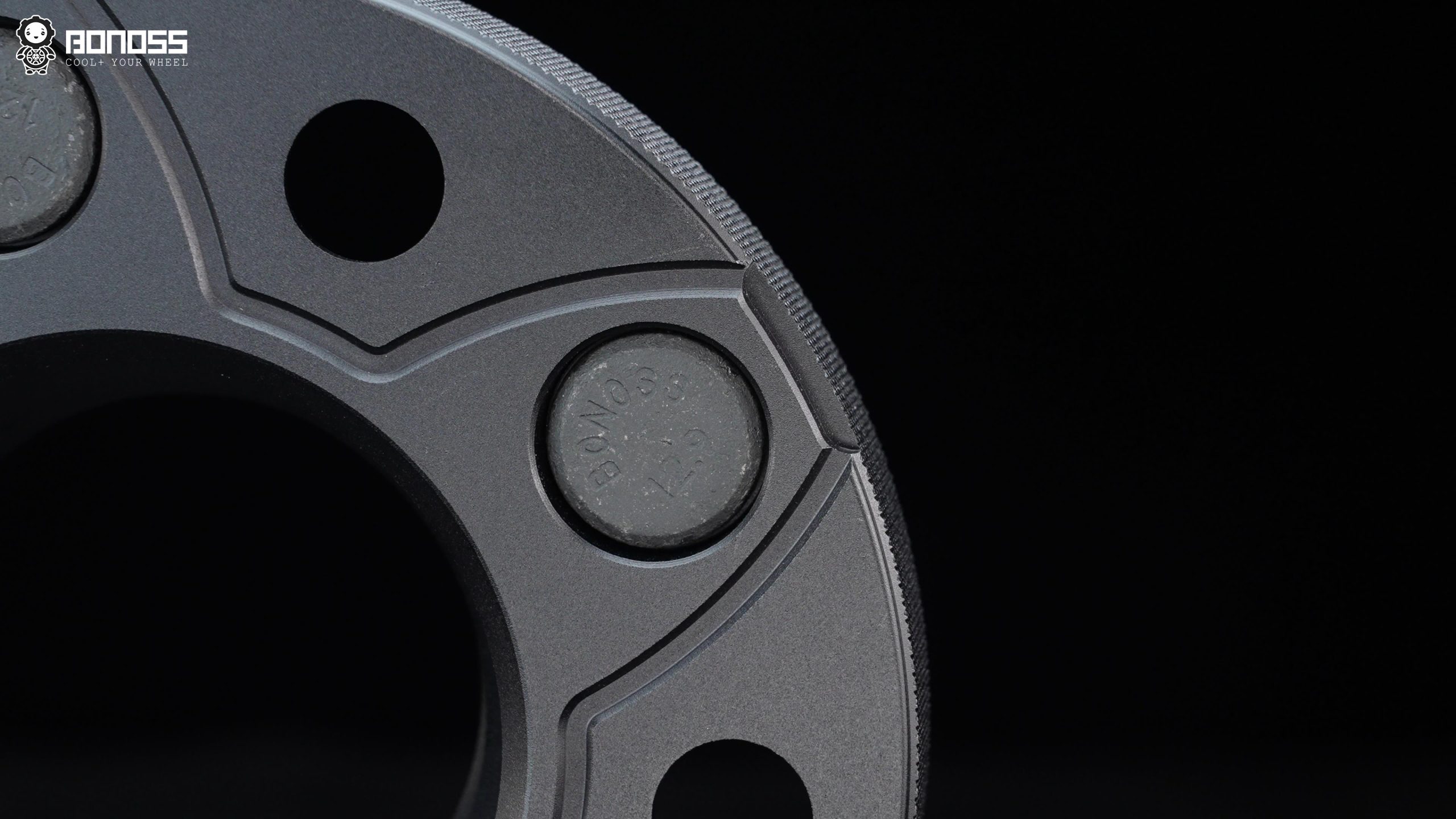
Aside from the above functions, BONOSS forged active cooling Ford Maverick wheel spacers provide the active cooling technique. Distributed in petal shape, the cooling grooves allow the external cold air to flow continuously inside the wheel spacer when it rotates.
The flowing air takes away the heat, so it achieves the purpose of actively dissipating heat for the braking system. This boosts the heat dissipation efficiency of the rotors, reducing brake thermal decay, hence improving road safety.
2. Top-quality Materials for Safety
BONOSS forged active cooling Ford Maverick wheel spacers are made of forged 6061-T6 and 7075-T6 aluminum alloy. The forging process allows the conversion spacers to have a very high weight-to-strength ratio. Lighter-weight aluminum allows them to operate well at a higher performance in most conditions.
3. Advance Hub-centric Design
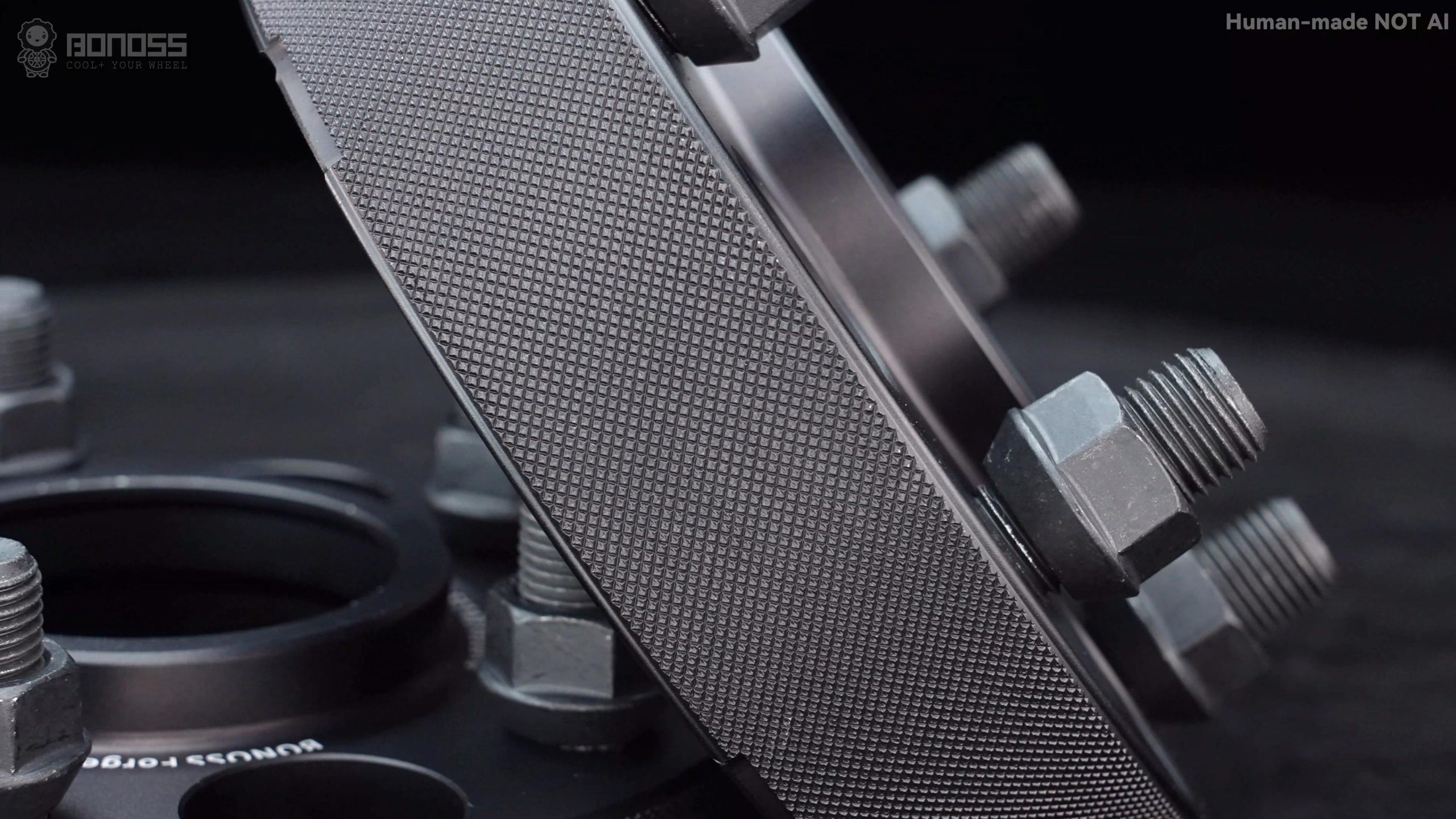
BONOSS makes adjustments to the hub-centric wheel spacers according to the actual vehicle hub design. These BONOSS forged active cooling Ford Maverick wheel spacers are designed with better multi-stage hub-centric lips. The hub-centric metal ring is machined to be multi-layers, and the bevels fit the corresponding hub flange, which effectively reduces any kind of vibrations.
Final Verdict: Elevate Your Car with BONOSS
With these outstanding advantages, it’s clear that BONOSS forged active cooling Ford Maverick wheel spacers offer exceptional safety, durability, and professionalism. Whether you’re upgrading the aesthetics or improving the handling, choosing BONOSS ensures that you’re getting a product that meets the highest standards of performance and quality. Your truck deserves the best.
(Hi, I’m Kevin Brian, an experienced mechanical engineer. All articles, images, and videos are human-produced to ensure the best user experience. They are not generated by Artificial Intelligence (AI) Models or tools.)