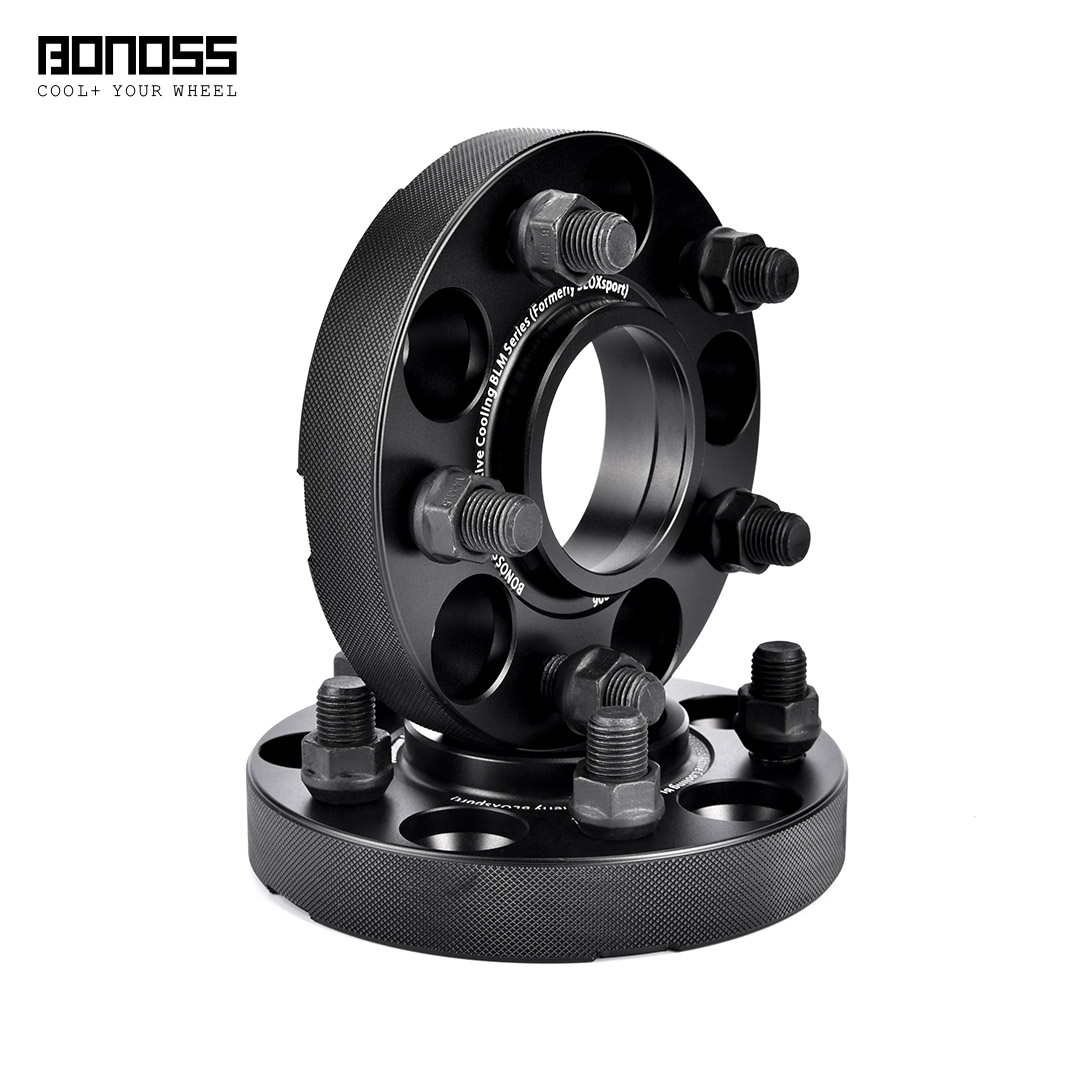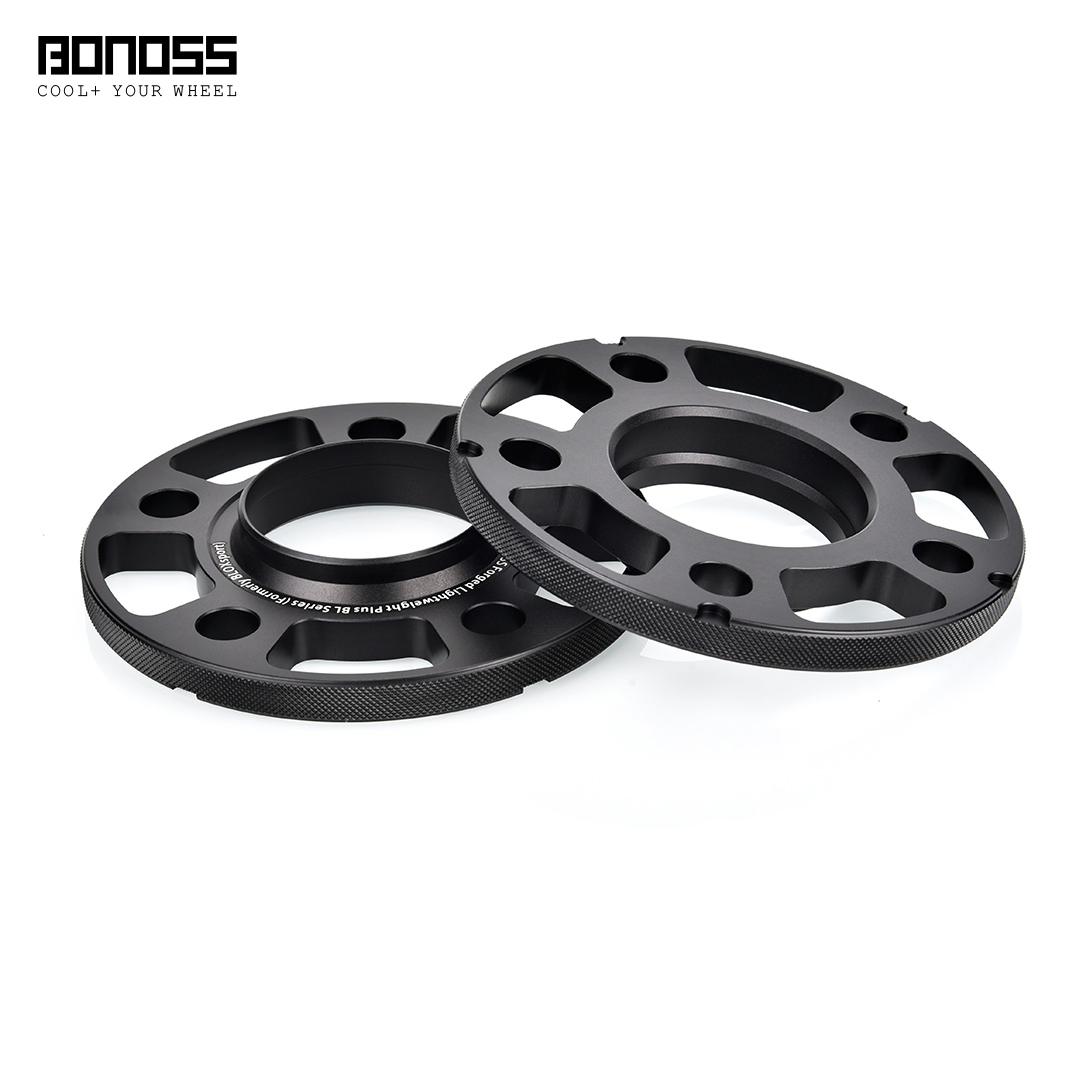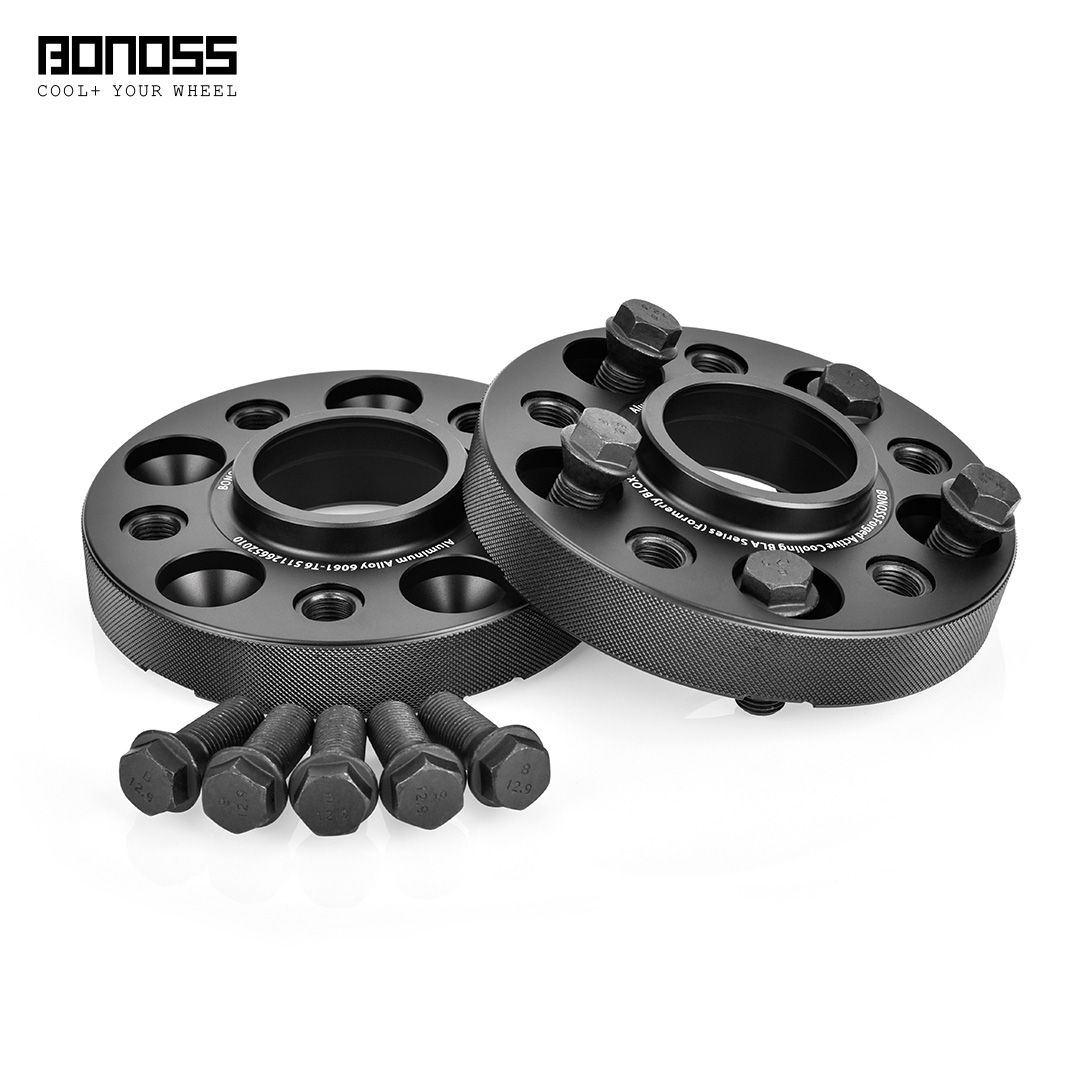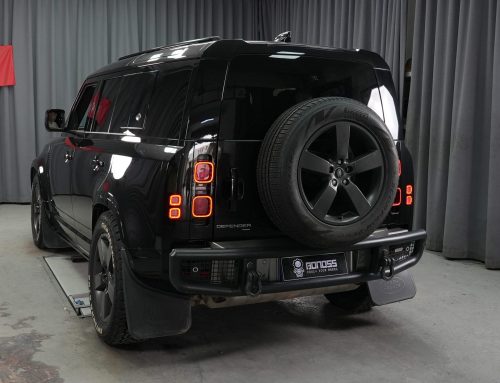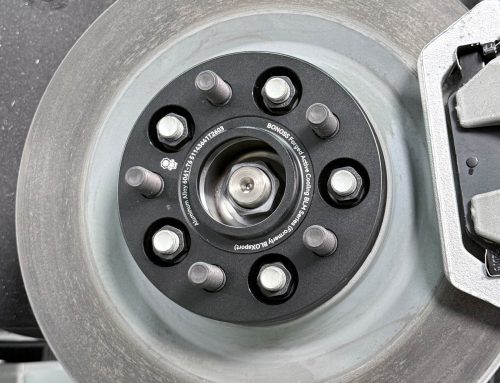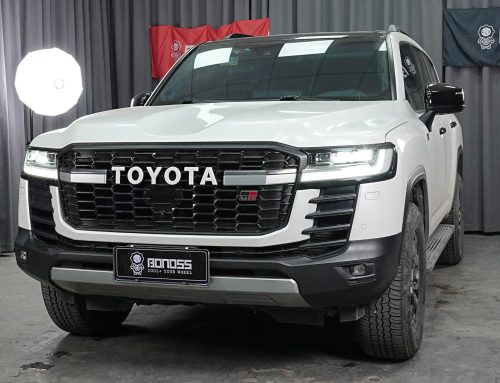
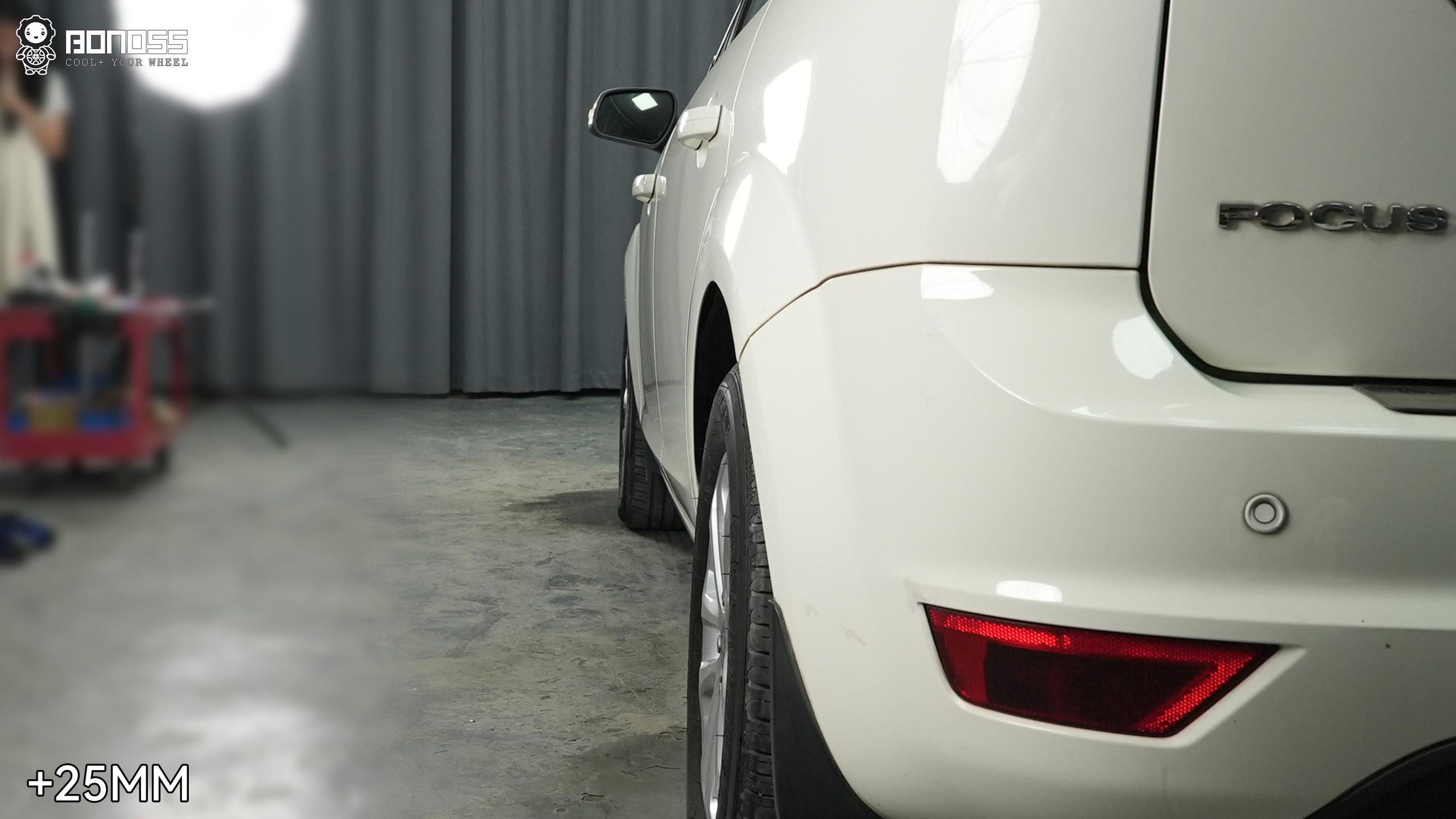
The Focus ST spacers are helpful to improve performance and appearance. They create the necessary distance on the inner portion of the wheel for clearance to solve the clearance problem of big brakes. If you plan to keep your current wheels for enhancing the handling performance or exterior looks, then wheel spacers will be your ideal choice.
With these Focus ST spacers, you can feel more comfortable when cornering. Because pushing the wheels away enlarges the track width. As the track width increase, your car tends to get more stable and handling usually improves too. But how to install Focus ST spacers correctly? Here are some factors to help you use them safely.
What is the Focus ST Spacers Torque Spec?
The REFERENCE torque spec of the Focus ST spacers is 83.3 ft-lb or 113 Nm for M12 nuts. This is just a reference value. Some wheels or applications may require more or less tightening torque. It is always a good idea to ask a tire expert to figure out the exact torque spec before operating. By torquing each wheel nut to the proper torque specification, your new wheel spacers will safely function.
How Hard is it to Install Focus ST Spacers?
Putting Focus ST spacers on cars is simple and most knowledgeable customers can install them without problems. As long as you install them properly, high-quality wheel spacers won’t destroy the wheel bearing or mess up alignment. Here are some essential tips:
- Pre-Installation Preparation: Check the car lug patterns, and confirm that the spacers match. Clean the hub surface to ensure a smooth fit, and ensure the chosen size aligns with other mods like tires or suspension changes.
- Mounting the Spacers: Use a torque wrench with the manufacturer-recommended torque specification to prevent shifting or loosening over time. This helps ensure the spacer remains secure, even on rough trails.
- Post-Installation Check: After a few hundred miles, retighten the lug nuts and check for any signs of wear or looseness. It’s also a good idea to periodically inspect the spacers on cars, especially after racing events.
What Are the Best Focus ST Spacers?
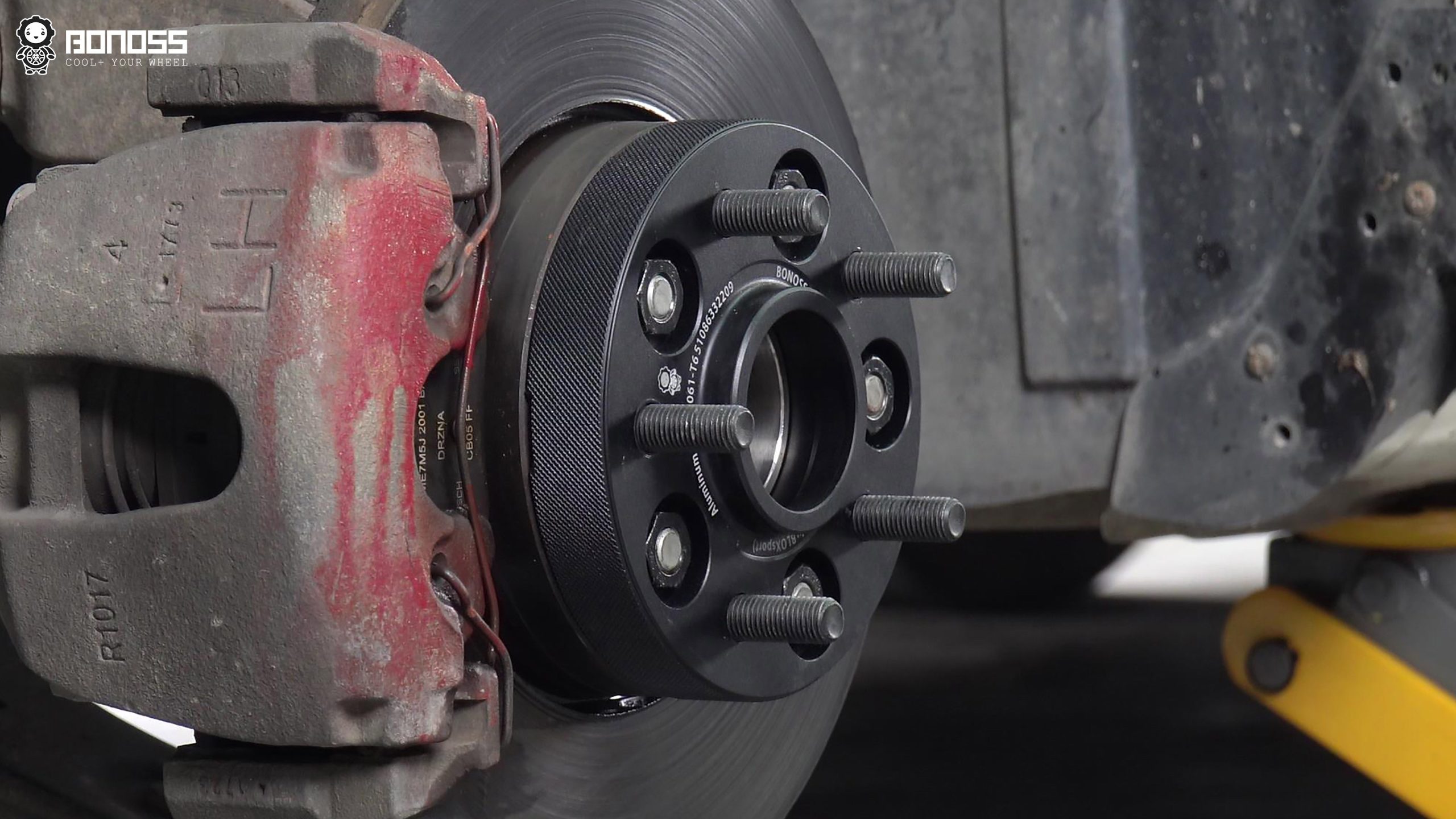
Safety, precision, strength, and best experience are what sets BONOSS apart from other spacers manufacturers. All BONOSS forged active cooling Focus ST spacers are built strictly to operate well in various driving condition. BONOSS offers several key advantages that make their spacers a top choice.
1. Active Cooling for Better Braking Performance
To further improve the heat dissipating ability, BONOSS forged active cooling Focus ST spacers come with petal-shaped cooling grooves. These grooves allow the external cold air to flow continuously inside the wheel spacer when it rotates. The air takes away the heat, so these BONOSS forged active cooling Focus ST spacers can actively dissipate heat for the braking system.
2. Forged Aluminum for Improved Safety
If you are looking for wheel spacers with durability and lightweight, then buying aluminum wheel spacers is the route to go. After a super forging process, the tensile strength of BONOSS forged 7075-T6 aluminum wheel spacers is up to 572 MPa. The higher the tensile strength, the more tensile stress that the wheel spacers can withstand before failure.
3. Full-cone Seat for Enhanced Stability
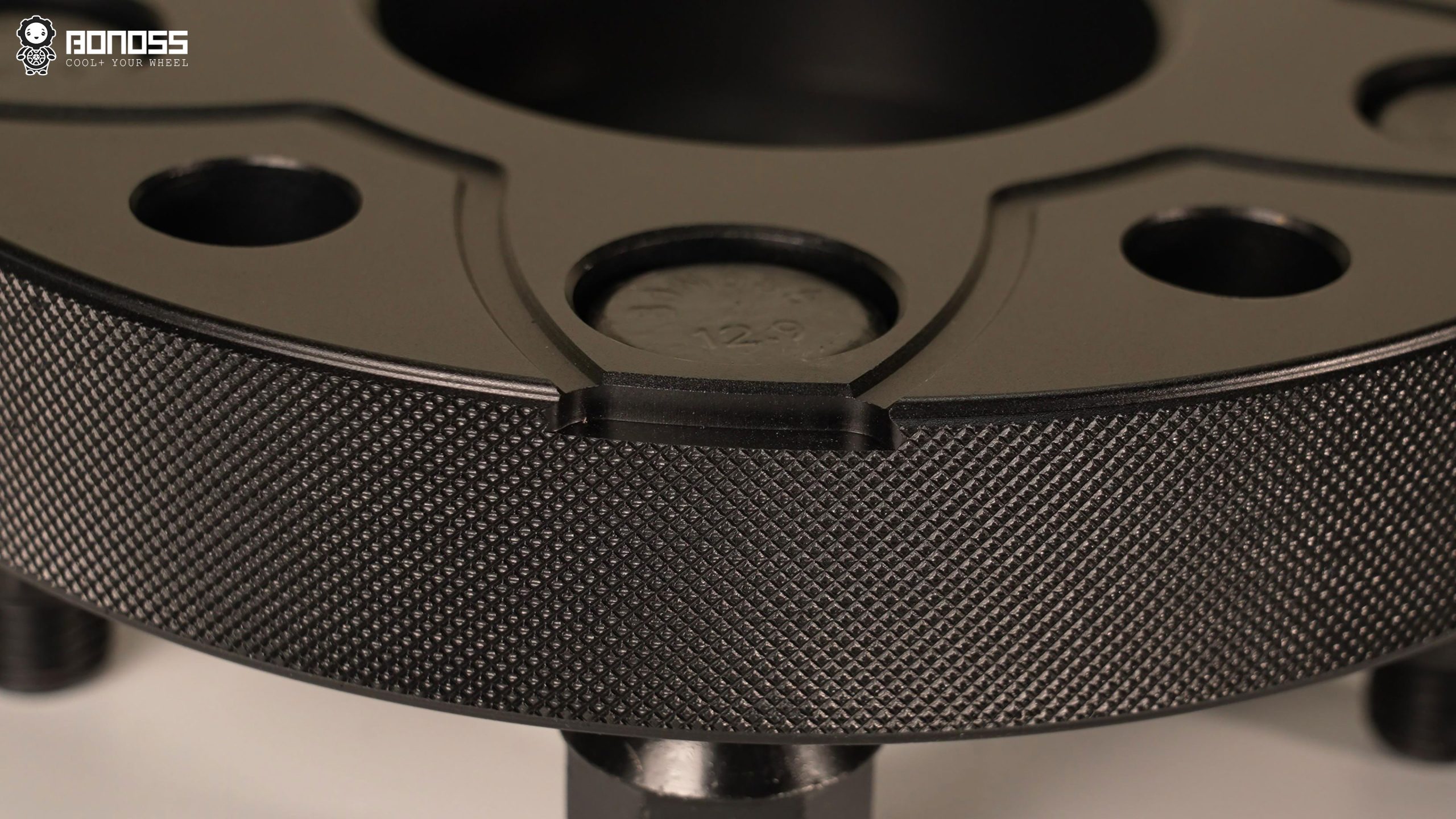
When it comes to bolt-on spacers, there are lug holes. BONOSS forged active cooling Focus ST spacers come with precise full-cone lug seats. The full-cone shape allow the wheel nuts to fully contact the spacers, providing a stronger and more secure fit. This is effective to avoid any potential loosening risks.
Final Summary: Unlock Your Car’s Potential with BONOSS
From useful active cooling advantages to unmatched quality, BONOSS makes the best forged active cooling Focus ST spacers. They are designed to provide a safe, reliable, and enhanced driving experience. Choose BONOSS and experience the difference—engineered for those who demand the best.
(Hi, I’m Kevin Brian, an experienced mechanical engineer. All articles, images, and videos are human-produced to ensure the best user experience. They are not generated by Artificial Intelligence (AI) Models or tools.)