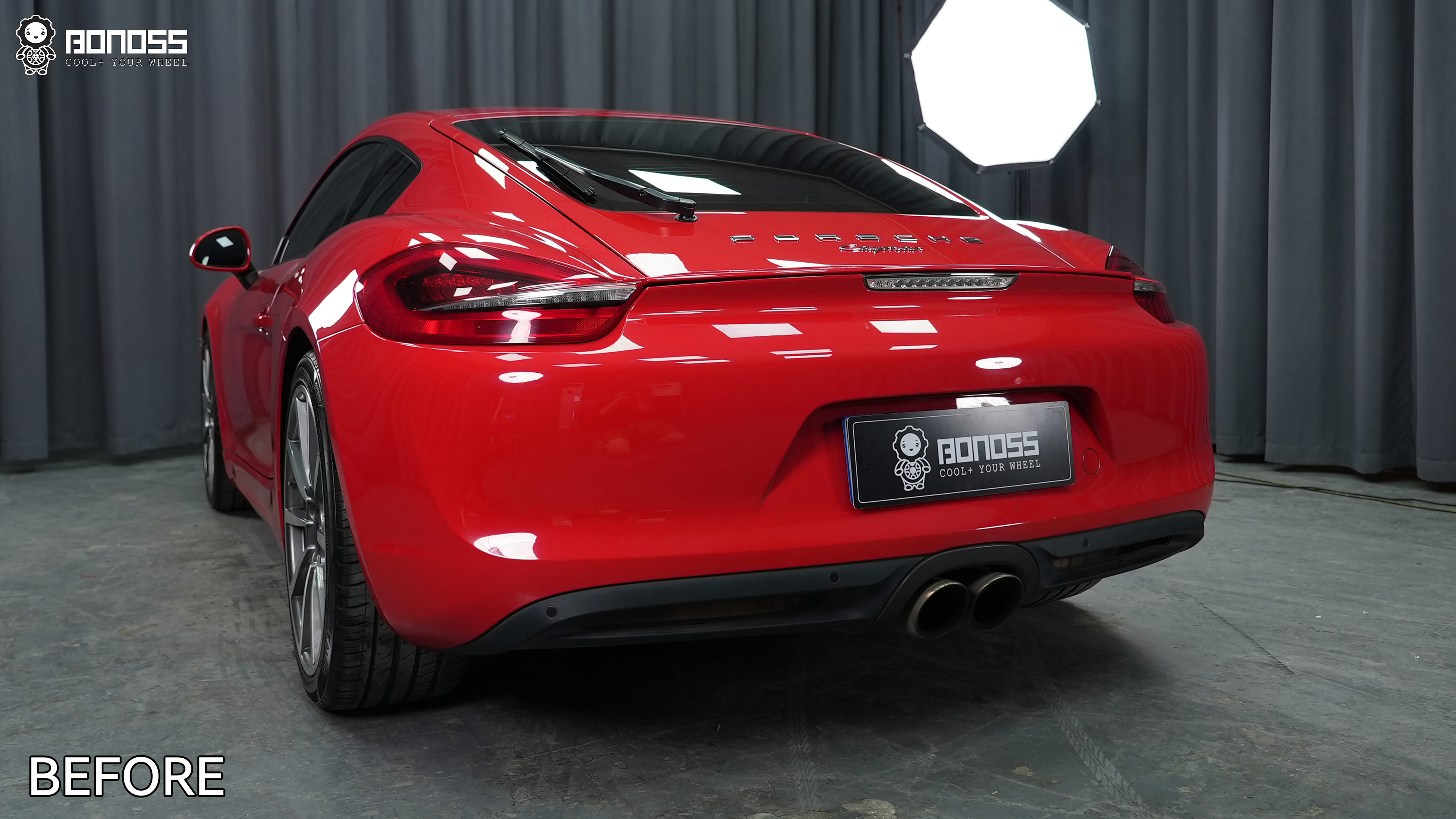
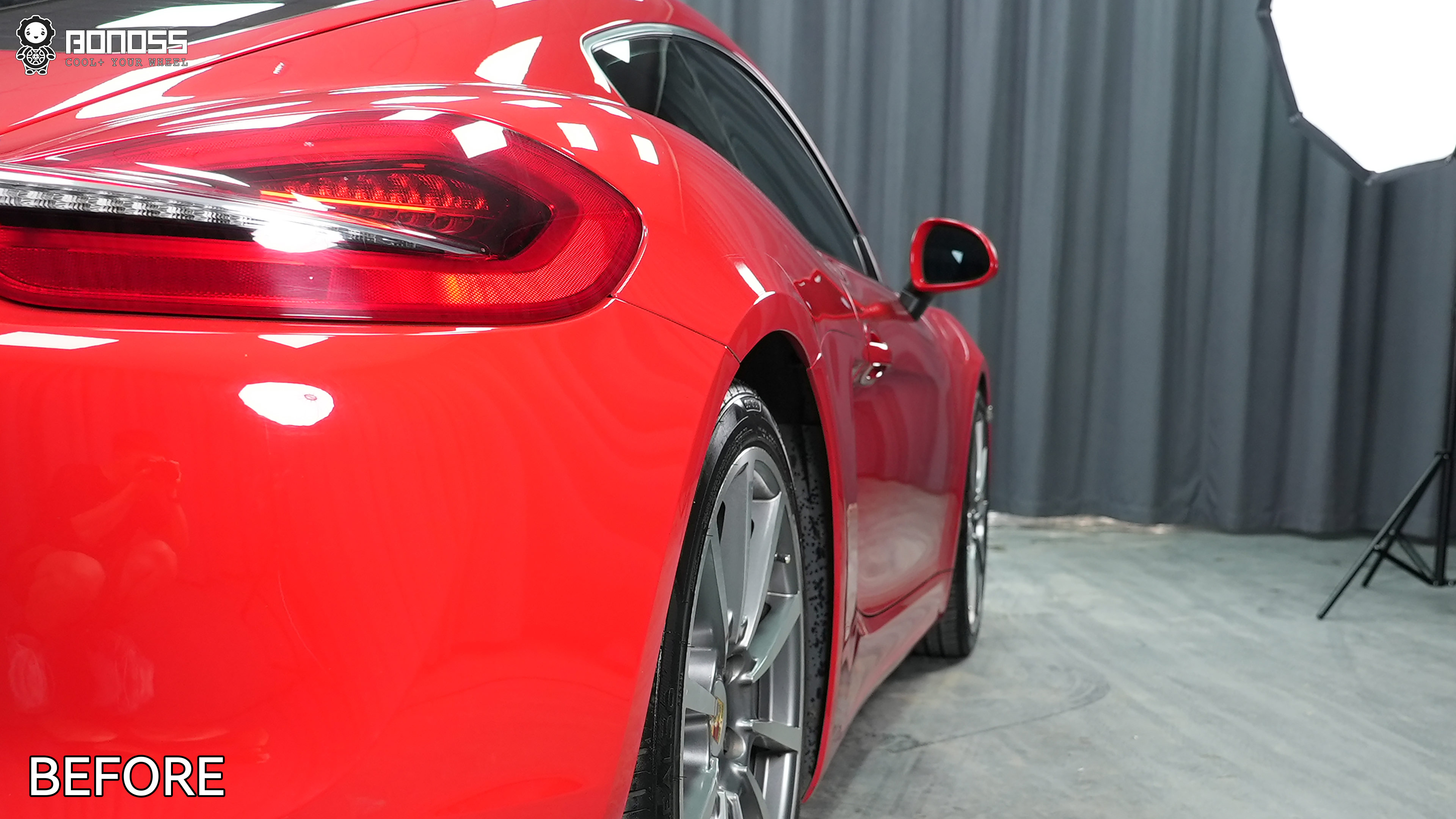
There’s a special kind of disappointment reserved for people who order wheels online. You wait two weeks. You bolt them on. You step back, coffee in hand, ready to admire your work — and the rear wheels are sitting so deep in the arches the car looks like it’s apologizing for something.
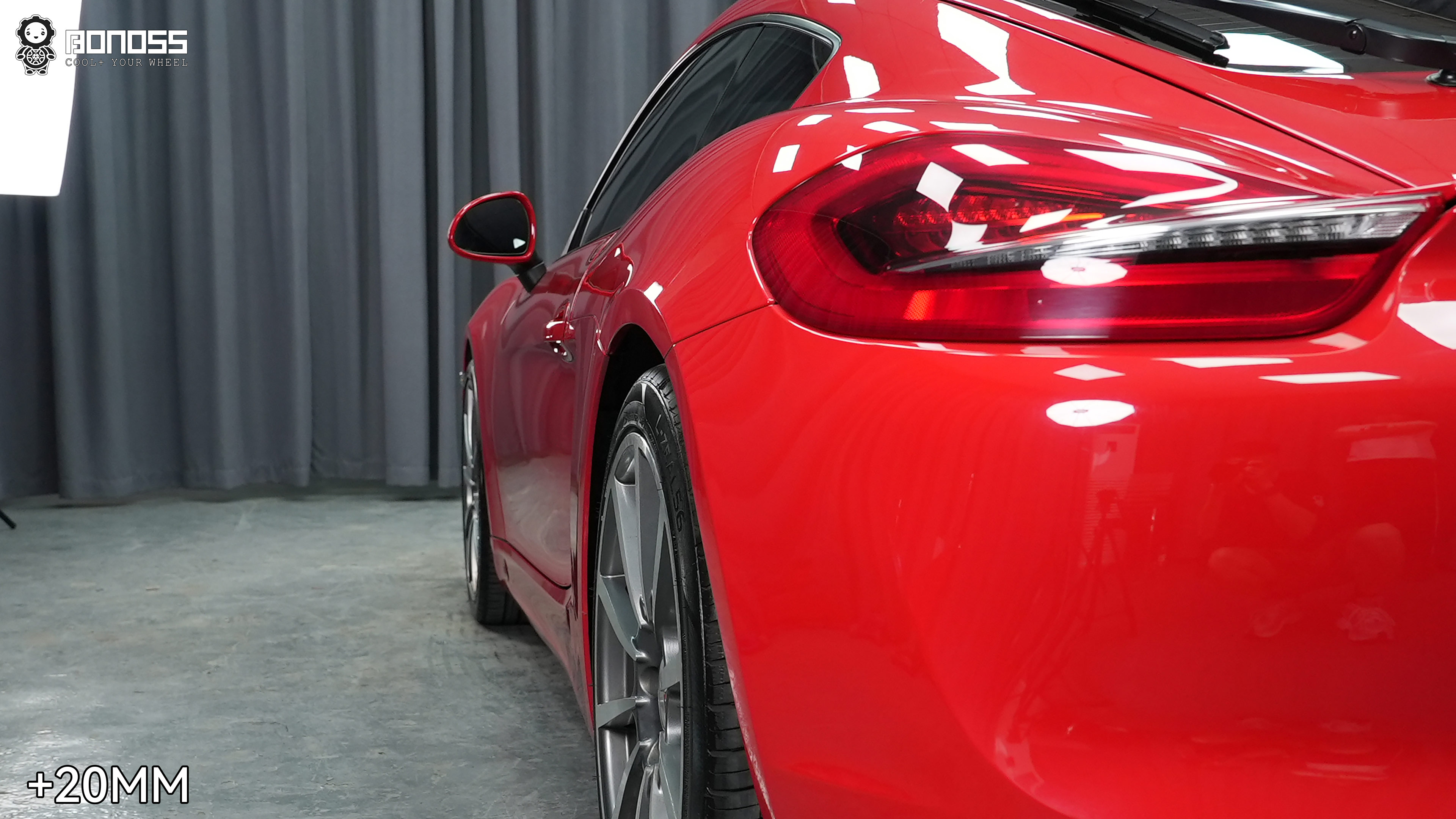
Lucas Cooper’s 2015 Porsche Cayman (981) was a textbook case when it rolled into our shop on July 1, 2023. Fresh aftermarket wheels — 9.5Jx20, ET+55 on the rears. Fronts sat flush. Rears sat deep, tucked in like they owed somebody money.
He’d already done what everyone does: stared at it, measured the gap with a thumb, asked the internet. What he refused to do was buy another set of wheels. Also fair. That’s an expensive cure for a geometry problem.
So this is the full story of how we sorted his car with 2015 Porsche Cayman wheel spacers — 20mm forged pieces on the rear. What we measured, what went sideways (something always goes sideways), and how the car has held up over three years and 9,300 miles since. I’ve been turning wrenches on wheels for over a decade, and the one thing that experience buys you is respect for boring details. Lucky for you, this article is mostly boring details.
How Lucas Ended Up at Our Counter
He found us the way everyone finds everything now: forum threads, late at night, phone flat on his chest. Somewhere between the “spacers will kill you” posts and the “I’ve run 25mm for years, calm down” posts, BONOSS kept coming up in the Porsche threads.
To his credit, he didn’t just take the internet’s word for it. He compared brands — I won’t name names here, this isn’t a hit piece — emailed a few with his wheel specs, and waited. Some answered fast, some answered slow, and one sent back a copy-pasted spec sheet that answered exactly none of his questions.
His hesitation, told to me straight: he’d never run BONOSS parts before, everything he knew came from the internet, and the internet is full of confident people who are wrong. Totally reasonable.
What flipped him was three things. First, we solved his problem before asking for money — measured, calculated, explained, then quoted. Second, a stack of YouTube videos of Porsches running BONOSS spacers through real installs, not unboxing theater. Third, the Lightweight Plus design, which is simply more machining than the budget brands bother with. In his own words:
“These guys were prompt and had great customer service. Helped me nail down the right spacers for my ride. Ended up ordering the 7075-T6 spacers for that extra performance and safety. The flush fitment looks beautiful!”
Measure First, Spacer Second
Rule number one in this trade: never guess a spacer thickness. Not from a forum, not from your buddy’s “basically the same” car, not from a photo that looks about right. Every car, every wheel, every arch is a little different, and Porsche arches forgive less than most.
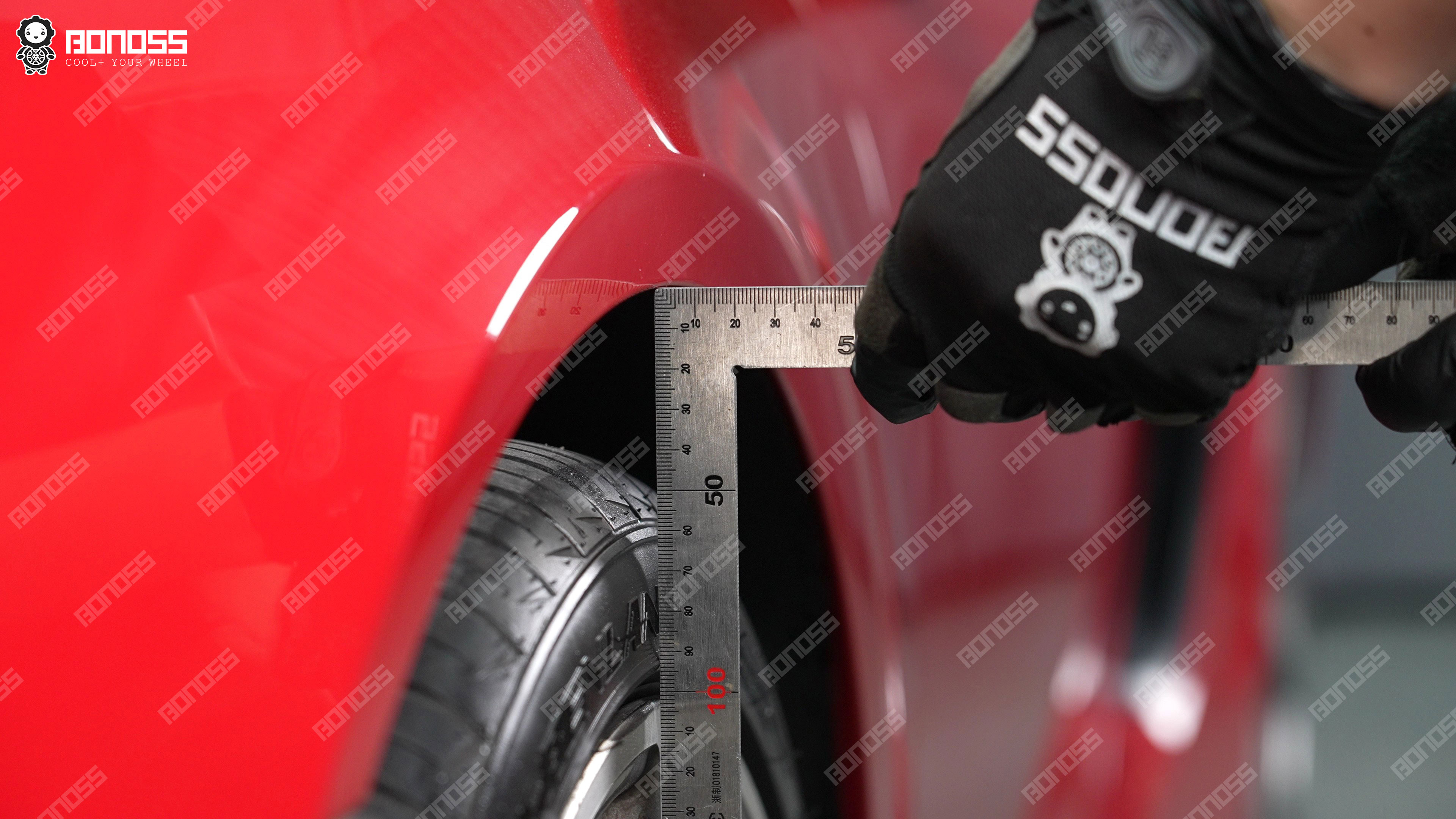
The fronts were our reference — flush, done, leave them alone.
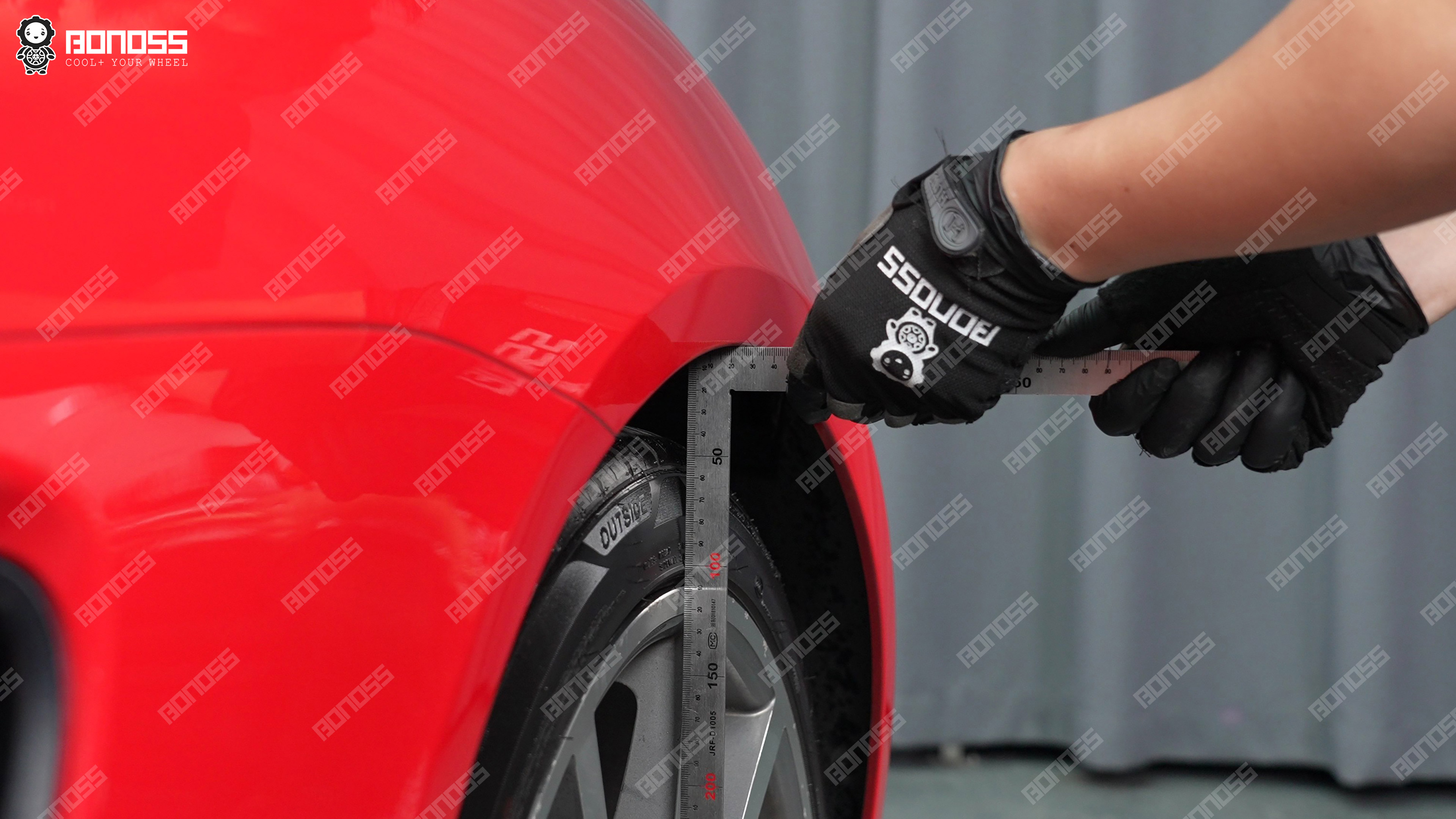
The rears told the real story.
Before we lift the car, we grab the tools that matter: a vernier caliper and a micrometer. Two tools, zero opinions.
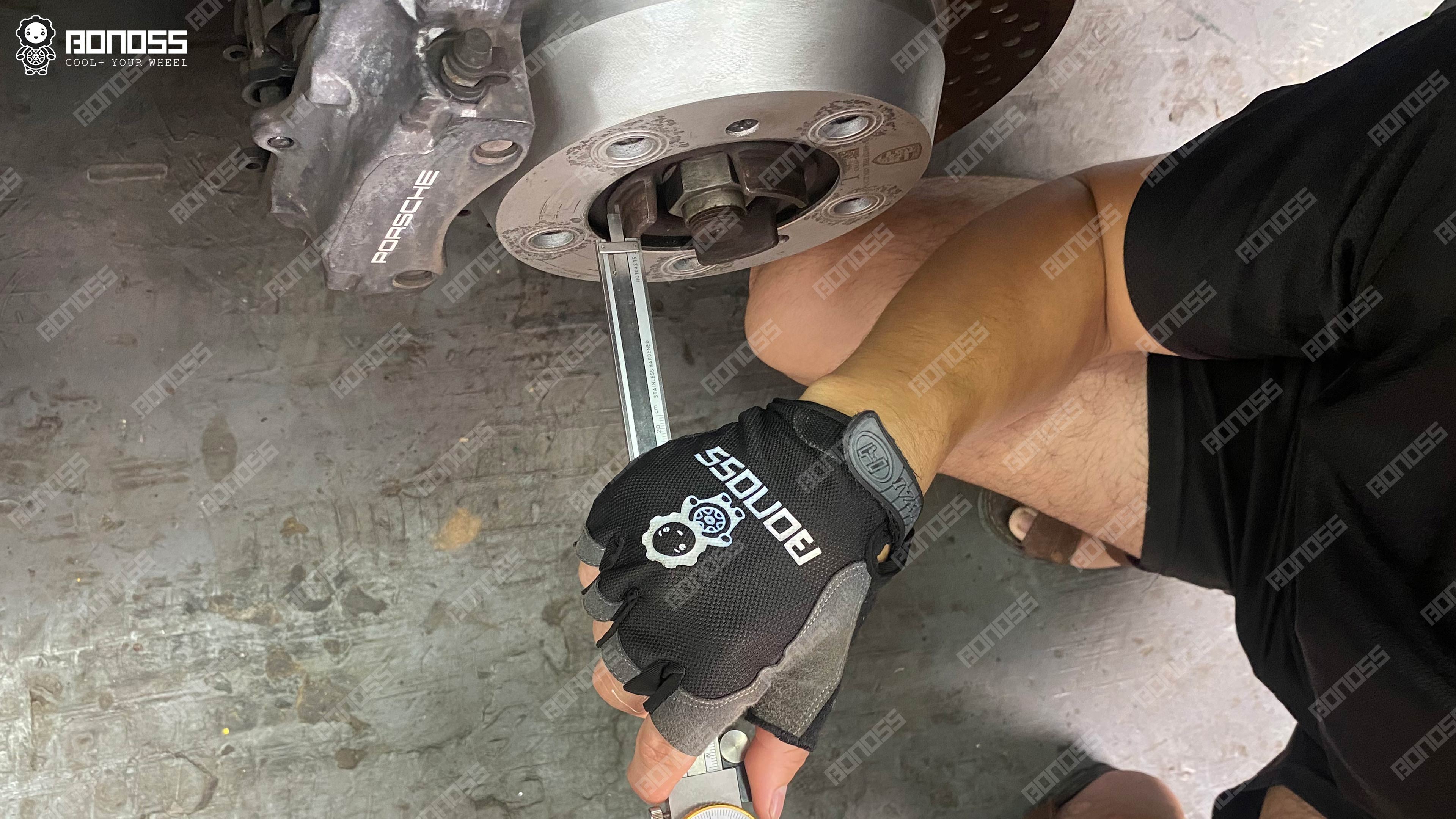
Vernier caliper measuring hub step height, reading 14.27mm
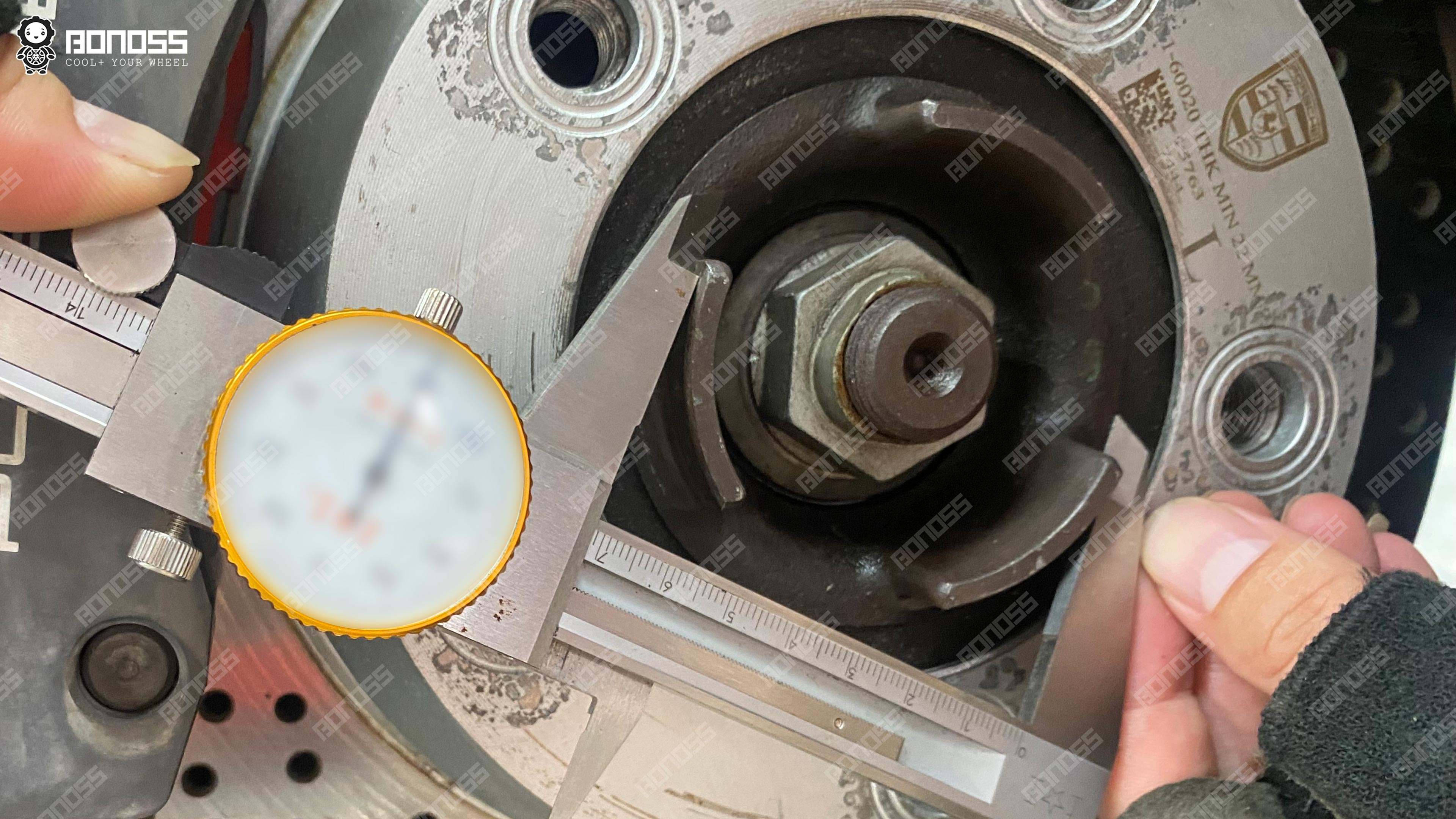
Vernier caliper measuring hub center bore, reading 71.56mm
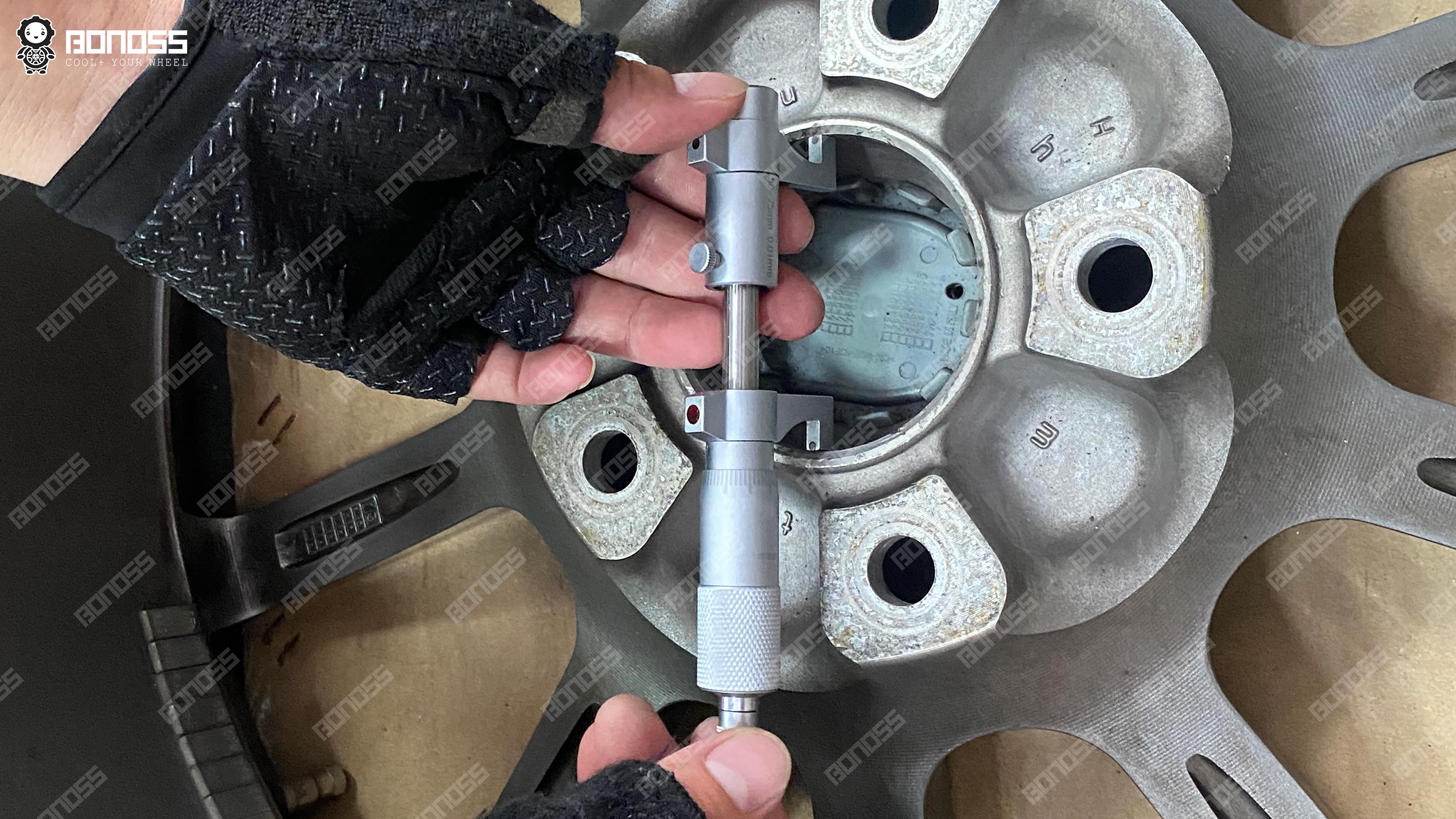
Micrometer measuring aftermarket wheel center bore, reading 71.78mm
We measured the wheels’ center bores too, because a spacer that centers on the hub but clashes with the wheel is just a vibration waiting for a buyer. What the 981 gave us that afternoon:
| Item | Value |
|---|---|
| Rear hub center bore | 71.56 mm |
| Rear hub step height | 14.27 mm |
| Rear wheel center bore | 71.78 mm |
| Factory wheel bolts | M14x1.5, R14 ball seat |
| Factory bolt thread length | 28 mm |
| Gap to flush at the rear arch | ~20 mm |
| Bolt Pattern (PCD) | 5x130mm |
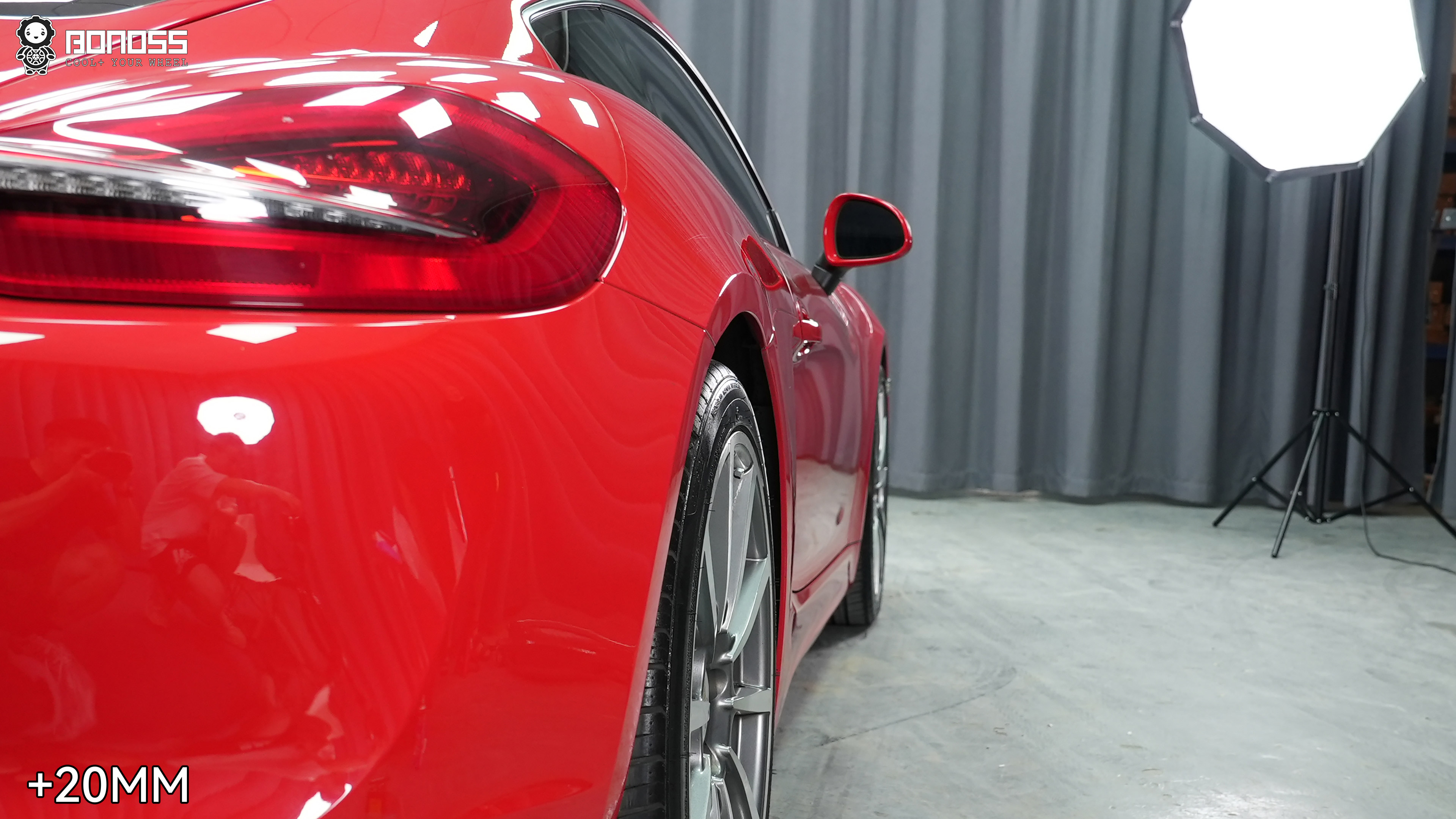
That last line in the table is the whole ballgame. 15mm would have left the rears a touch shy. 25mm would have pushed the tire past the fender line. 20mm puts the wheel dead even with the arch. That’s not a guess — that’s arithmetic on a ruler reading.
The Offset Math for Those Who Check Homework
The wheels are ET+55: the mounting face sits 55mm outboard of the wheel’s centerline. A 20mm spacer pushes the wheel outward by 20mm, so the effective offset becomes:
ET+55 − 20mm = ET+35
Same geometry as buying an ET+35 wheel, except you keep the wheels you already paid for. That’s a $2,000 solution to a $180 problem.
The Problem Nobody Warns You About: Bolt Length
Here’s where plenty of spacer installs go wrong, and it’s almost never the spacer’s fault.
Lucas’s factory bolts are M14x1.5 with an R14 ball seat and 28mm of thread. Plenty for a stock wheel. Add a 20mm spacer and that same bolt now has to pass through 20 extra millimeters before it even thinks about biting into the hub. Twenty-eight minus twenty leaves 8mm of engagement on an M14 bolt. That’s not a safety margin. That’s a countdown.
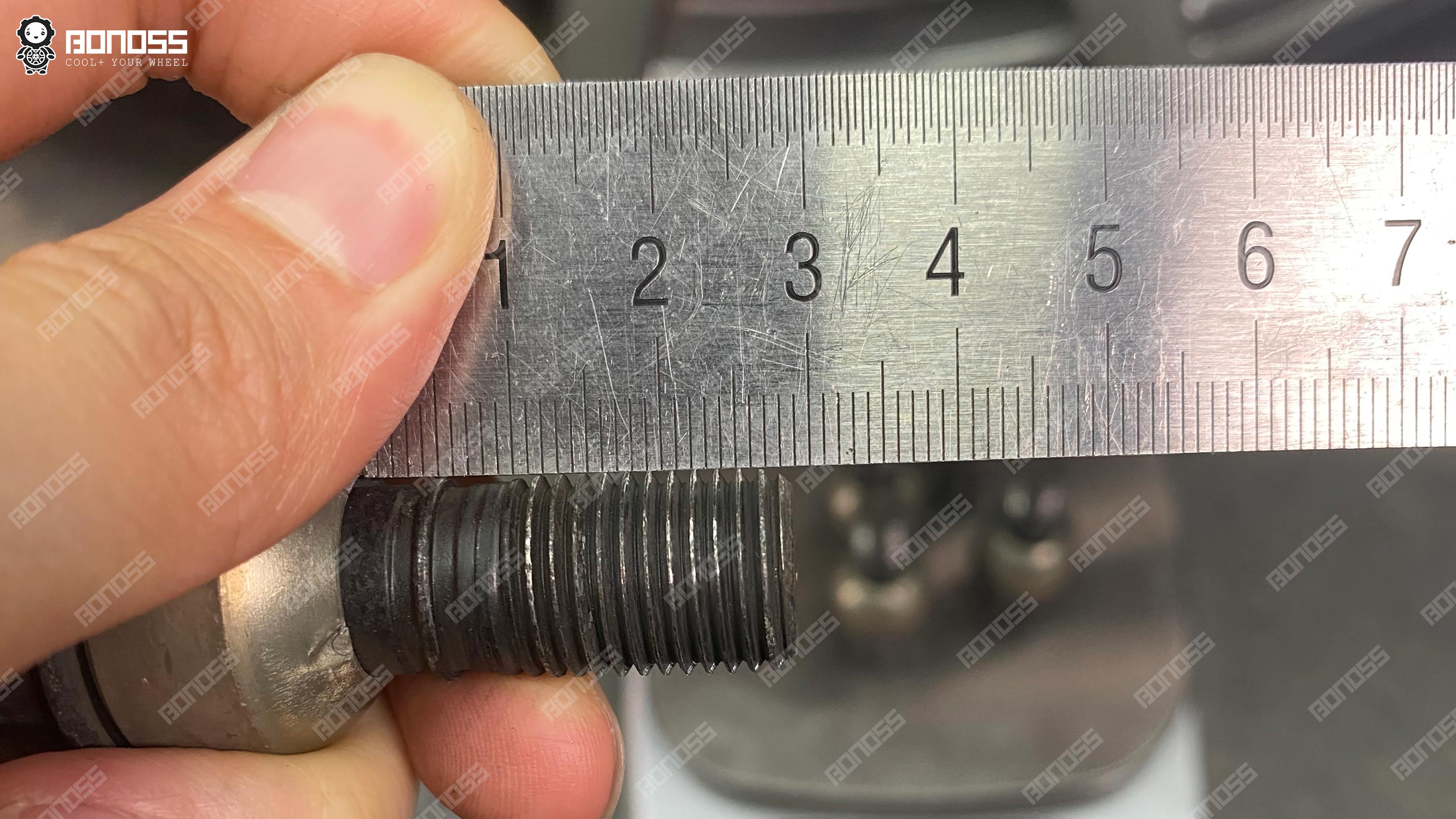
My working rule after years of this: thread engagement should be at least equal to the bolt’s diameter — about 14mm for an M14, more if you can get it. So the math said 48mm extended bolts, which restores factory engagement exactly. We specced 48s.
Then we test-fitted one, and I’m glad we did. These aftermarket wheels have a thicker mounting pad than the OEM wheels — thick enough to eat a couple of millimeters we were counting on. A 48mm bolt would have been fine on paper. On the car it was borderline, and “borderline” is not a word I want anywhere near German engineering.
So we went up to 50mm extended bolts. Full engagement, matched R14 ball seats, proper clamping load. Boring and correct — the two are related more often than people think.
What We Actually Installed
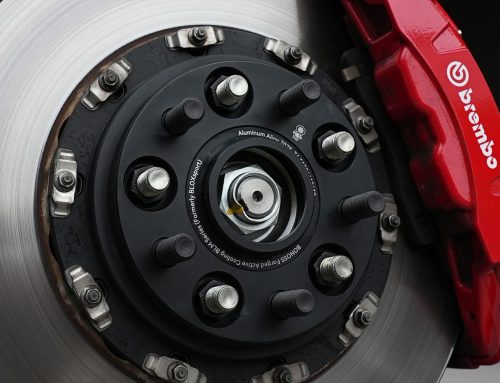
The parts: BONOSS forged AL7075-T6 Lightweight Plus hub-centric wheel spacers, 20mm rear, with matching 50mm extended bolts. Three design details are worth explaining, because they’re not marketing fluff — they’re the reason this install is still boring three years later.
Multi-stage hub-centric design. The 981’s rear hub measures 71.56mm at the bore with a 14.27mm step. A single-bore budget spacer either hangs on that step or skips centering altogether and lets the bolts do a job they were never designed for. The BONOSS spacer’s bore is machined in stages that copy the factory hub — it slides over the lip, seats flat on the hub face, and the wheel then centers on the spacer’s own lip. Hub, spacer, and wheel rotate as one concentric stack. Zero vibration at speed is geometry, not luck.
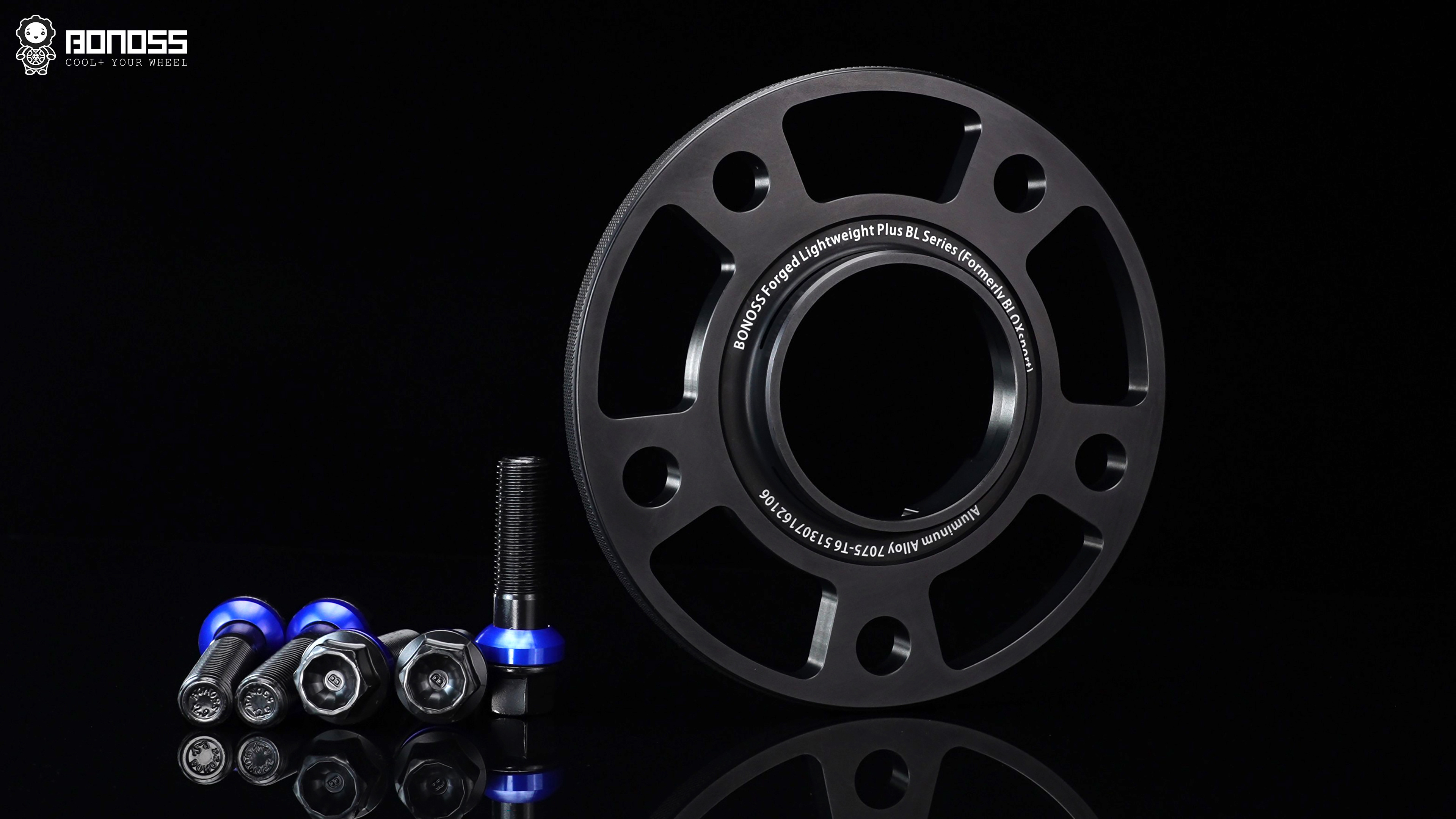
Lightweight Plus construction. Forged 7075-T6 is the serious stuff — stronger than the 6061 aluminum many spacer brands use, which is exactly why you can machine more material out of it without turning it into a flex plate. BONOSS cuts the surplus out of the back face. On a spacer, that sounds like a rounding error until you remember that unsprung rotating mass is the meanest weight on the car: your suspension fights it on every bump and your brakes fight it on every stop. Lighter reacts faster and stops cheaper. Full stop.
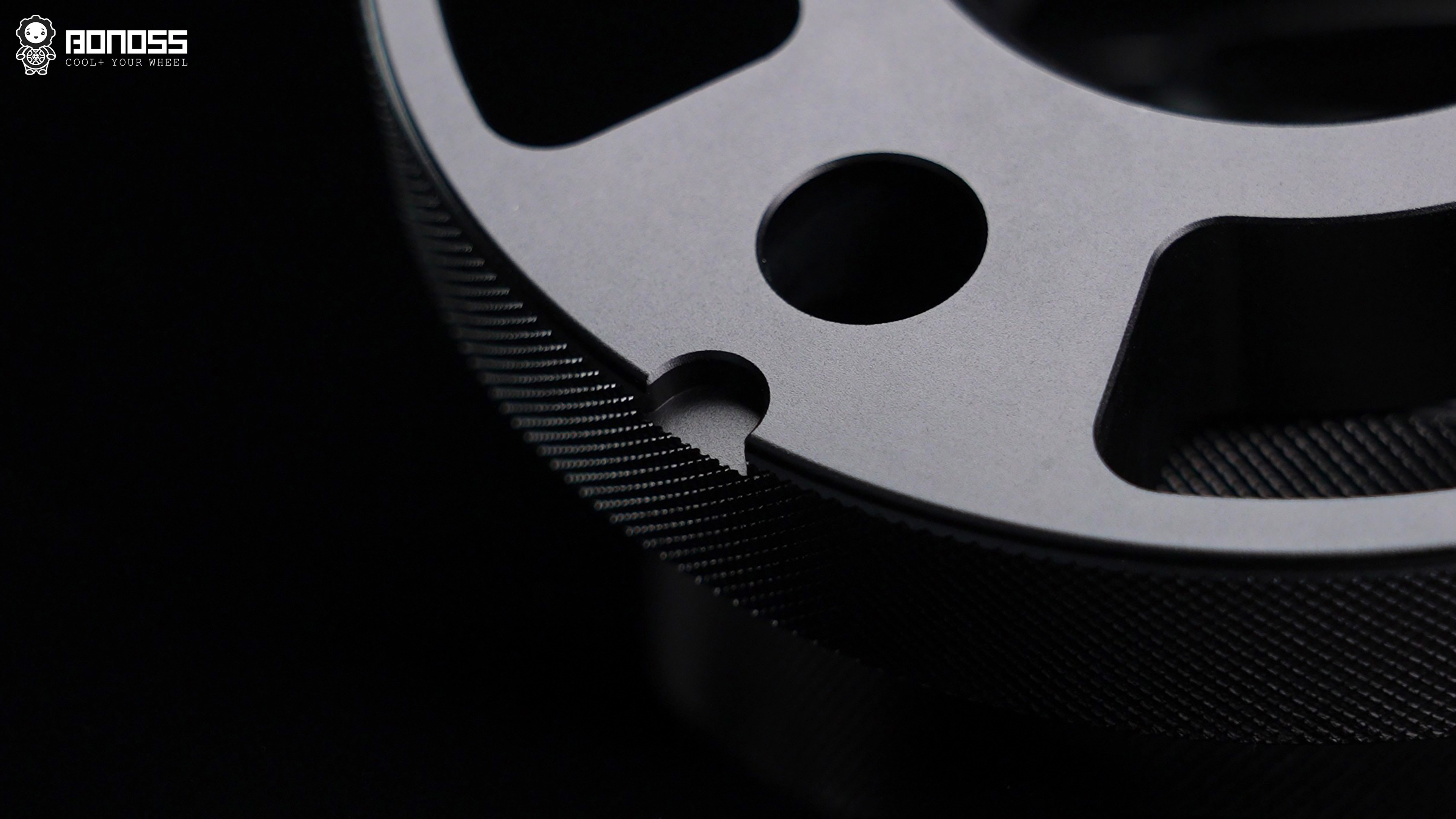
Disassembly grooves. My favorite feature, and the least glamorous. Give a flat spacer a few winters of heat cycles and road grime, and it can bond to the hub like it was welded there. The grooves between the spacer face and the hub break that bond and give you a pry point that isn’t the wheel face. Sounds trivial right up until you’re the one holding a screwdriver and a mallet, sweating, with a customer watching.
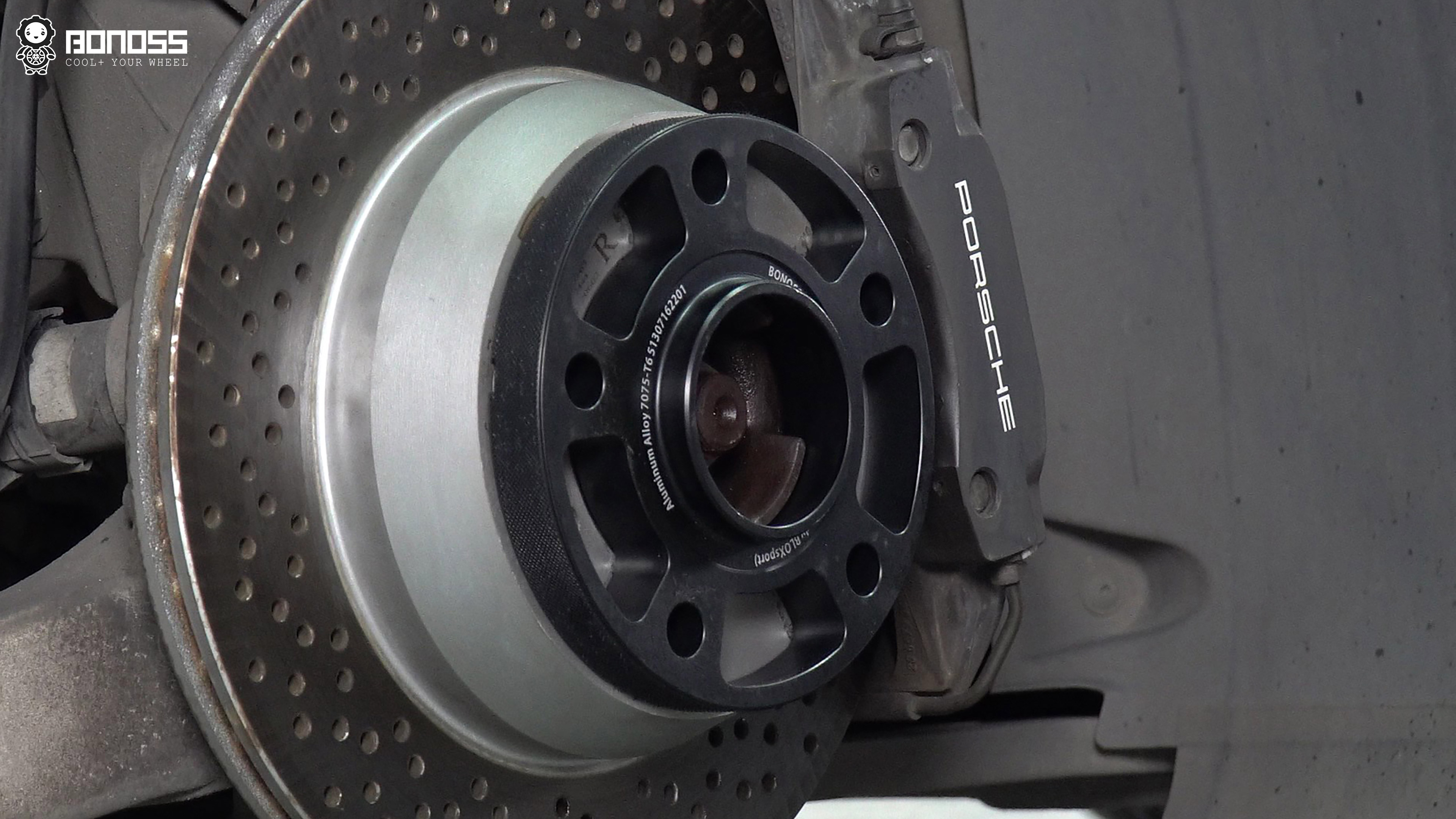
The Install: One Hour, No Drama
The process, for the DIY crowd:
- Break the bolts loose with the car on the ground, lift, and remove the rear wheels.
- Wire-brush the hub face and the centering lip. Any corrosion trapped under the spacer becomes runout later.
- Dry-fit the spacer — it must seat flat against the hub step. No gap, no rock.
- Mount the spacer and spin it by hand. It should turn true and feel like part of the car.
- Hang the wheel, hand-start all five 50mm extended bolts.
- Torque to 140 Nm (BONOSS recommended) in a cross pattern (Since we switched to BONOSS extended wheel bolts, we use the BONOSS-recommended torque of 140 Nm rather than the OEM torque of 160 Nm).
- Re-check torque after the first 50 miles. If you’ve just had tires mounted, check again after your first proper drive.
Total time, photos, and coffee included: about an hour. If a shop quotes you half a day for this, ask questions. And if a shop reaches for the impact wrench instead of a torque wrench for final tightening, collect your keys and leave.
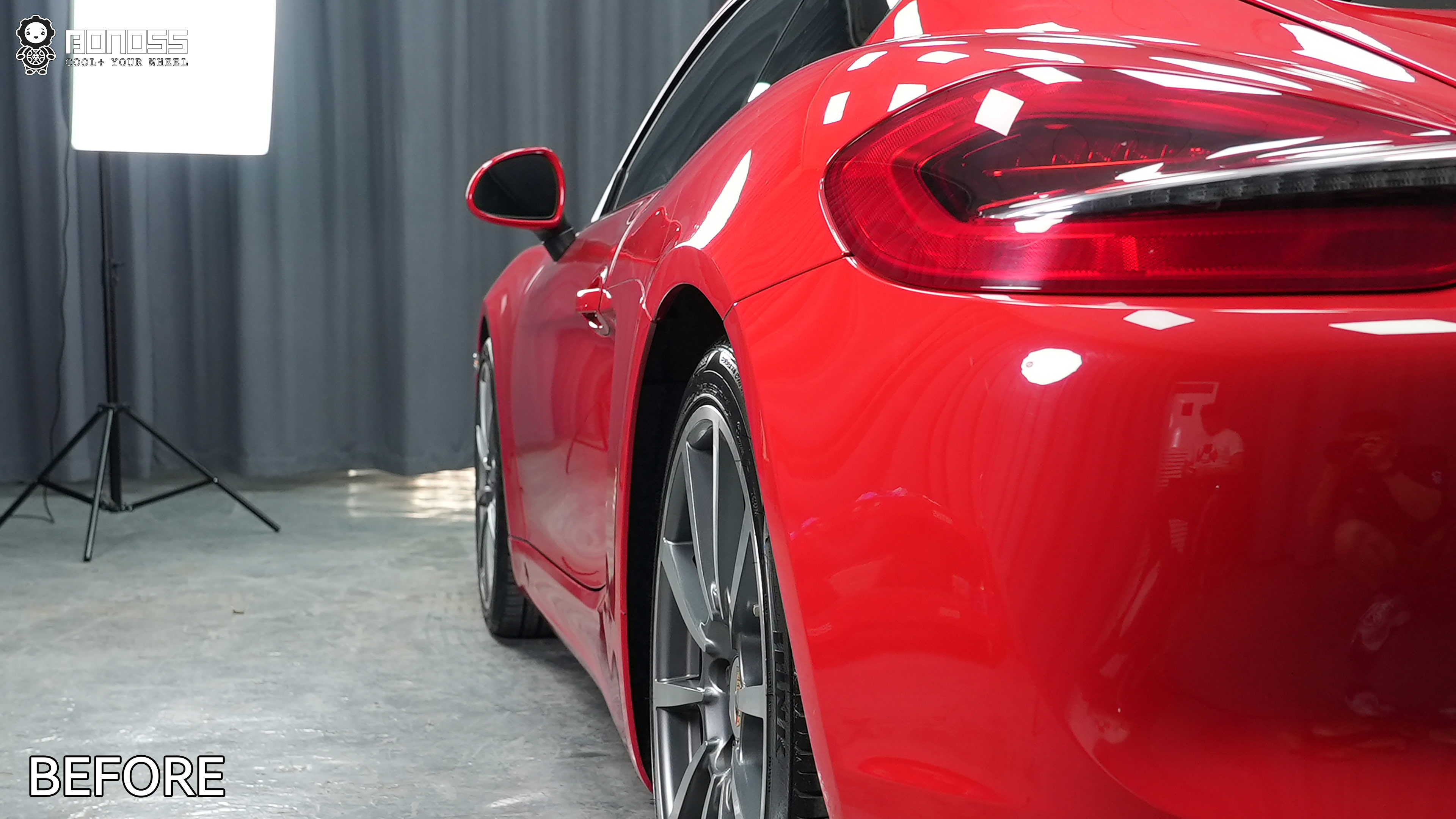
Three Years and 9,300 Miles Later
Anyone can make a car look good in a parking lot. The question that matters is what it’s like in year three, on real roads, through real seasons. I checked back with Lucas recently — he’s at 9,300 miles on the setup, and here’s his unedited take:
“Ran BONOSS spacers for 3 years / 9,300 miles now. They helped me sort out the wrong offset and had the right ones installed—solid service. Spacers are light, fitment is good. Car feels way more planted at highway speeds, zero vibes, and no change in speedo or anything. Plus, they look good.”
“Zero vibes” is the phrase I’d underline. A vibration at speed is the classic symptom of a spacer that isn’t centering properly, and his car has none of it. And no, the speedometer doesn’t care — spacers don’t change tire diameter, so the rolling circumference is untouched. What you do get is a wider track, which is why the car feels more planted in fast corners and quick lane changes. Physics doing what physics does.
His other review, from right after the install, has aged just as well:
“The BONOSS wheel spacers were exactly what my ’15 Cayman needed. Fitment was perfect and quality is top-notch. The car looks great and drives just as it should. Highly recommend this company.”
What It Cost
$180, installed, out the door — spacers, extended bolts, and labor. For perspective, that’s less than one replacement aftermarket wheel. If you’re shopping around, our Porsche wheel spacers price guide breaks down what drives the price up or down, so you know a fair number when you see one.
FAQ
What size wheel spacers does a 2015 Porsche Cayman need?
It depends entirely on your wheels. On stock wheels, 5–15mm is the usual range for looks. Lucas’s ET+55 aftermarket rears needed 20mm to sit flush. Measure the gap between tire and arch at the widest point — don’t copy a number that worked on someone else’s car.
Are wheel spacers safe on a Porsche 981?
Done right, yes: hub-centric spacers, correct extended bolts, and a torque wrench give you the same load path as a wheel with a different offset. We cover the full argument in our article on whether Porsche wheel spacers are safe.
Do I need longer wheel bolts with 20mm spacers?
Yes, and there’s no way around it. Stock 28mm threads leave roughly 8mm of engagement through a 20mm spacer — nowhere near enough. Extended bolts of 48–50mm are the answer, and the ball seat must match your wheels (R14 on this Cayman).
Will spacers affect my bearings or the speedometer?
The speedometer, no — tire diameter doesn’t change. Bearings see a slightly different load angle with a wider track; 20mm is modest, and street-driven cars handle it fine. Lucas is at 9,300 miles with zero issues. Have play checked whenever the wheels come off, as you would anyway.
How much do Porsche wheel spacers cost installed?
This install was $180 including parts and labor. Thickness, material (6061 vs 7075-T6), and bolt requirements move the number. Our price guide linked above has the full breakdown.
Can I install them myself?
Yes — jack, jack stands, a torque wrench, and about an hour. The only reliable way to mess this up is skipping the torque wrench.
Would We Do It Again?
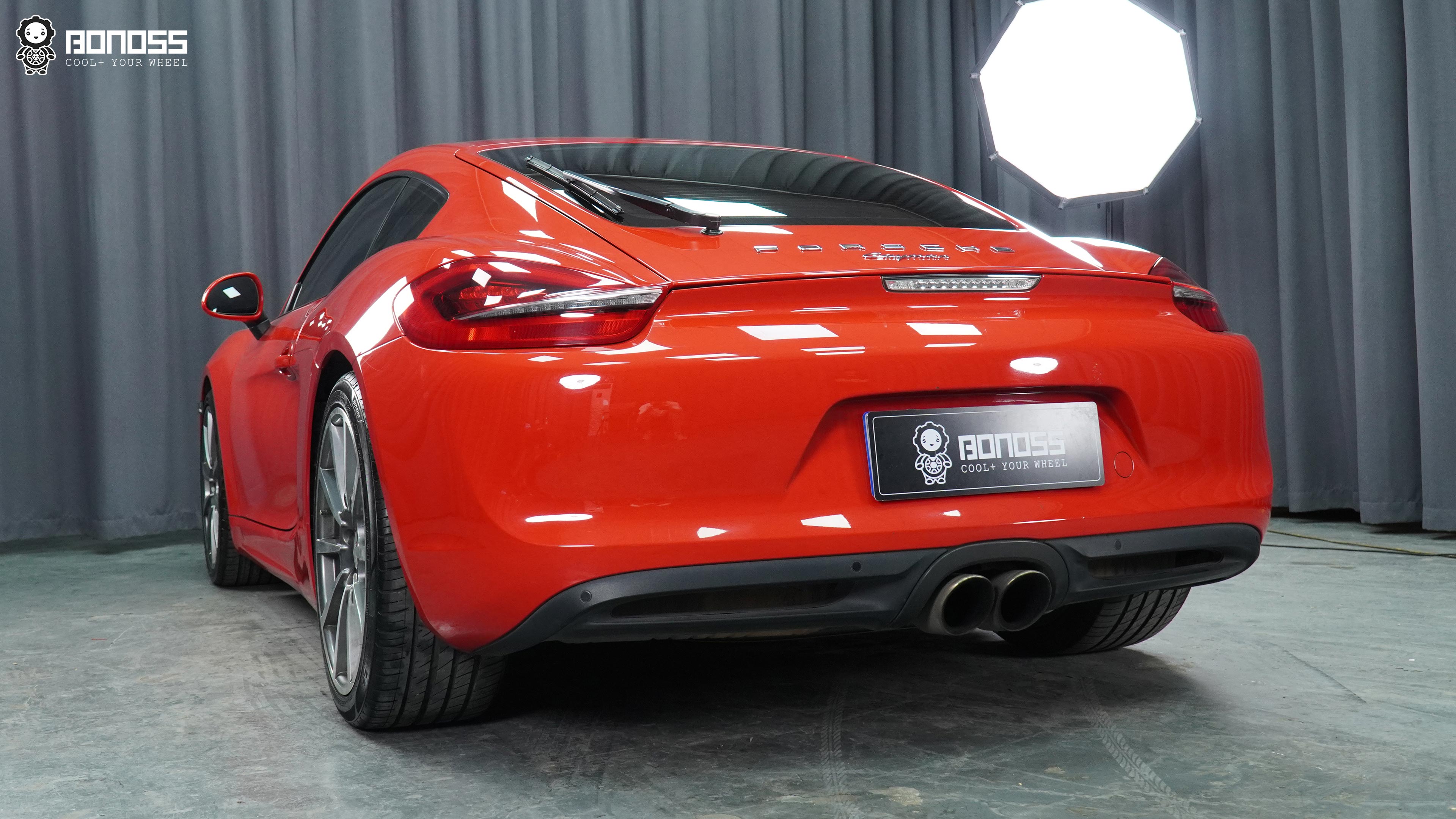
Ask Lucas, and you already know the answer. My own take after a decade of this: a spacer is a tool, not a magic part. Used right — measured, hub-centric, correct bolts, torqued — it does exactly one job, which is moving the wheel out, and it can do that job for years without complaint. His Cayman is the proof. Used wrong — generic lug-centric parts, stock bolts, an impact gun — it’s a vibration at best and a wheel-shaped projectile at worst. The part is rarely the variable. The installation is.
So if your 981 is giving you that same sunken-rear look, don’t buy new wheels out of frustration. Measure the gap, check your bolt engagement, and if you want a second pair of eyes, send us your wheel specs — width, diameter, offset — and we’ll tell you the exact thickness that fits your car. Not the number that fit someone else’s on a forum. Yours.
That’s what Lucas did. Three years on, his only regret, he tells me, is not doing it sooner. His tire shoulders suggest he’s been enjoying the wider track, too.

About Jack Miller
Jack Miller is a certified automotive technician specializing in wheel and tire systems, with over a decade of hands-on repair experience. He has served as a senior technical specialist at BONOSS for the past 7 years, advising on wheel spacer fitment, wheel bolt & wheel nut selection for thousands of customer builds. Jack’s technical guides on BONOSS are grounded in real customer cases — not theory.