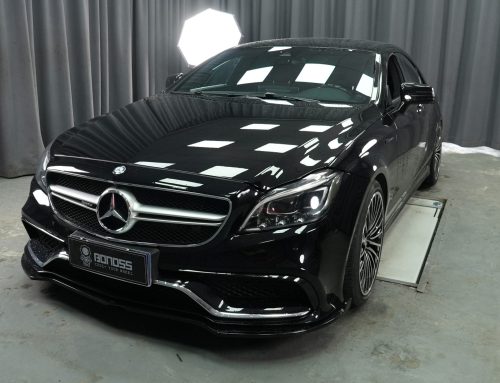
I’ve spent over 9 years turning wrenches on trucks and SUVs, and if there’s one job I never get tired of, it’s dialing in the stance on a G-Wagon. On July 8, 2026, a 2026 Mercedes-Benz G-Class AMG G63 (W465) rolled into our shop for a set of 2026 Mercedes-Benz G-Class wheel spacers, and the whole job — from the first caliper reading to the final torque check — is worth writing down. If you’re shopping for spacers for your own G, this is exactly the kind of real-world reference I wish more owners had before they spent a dollar.
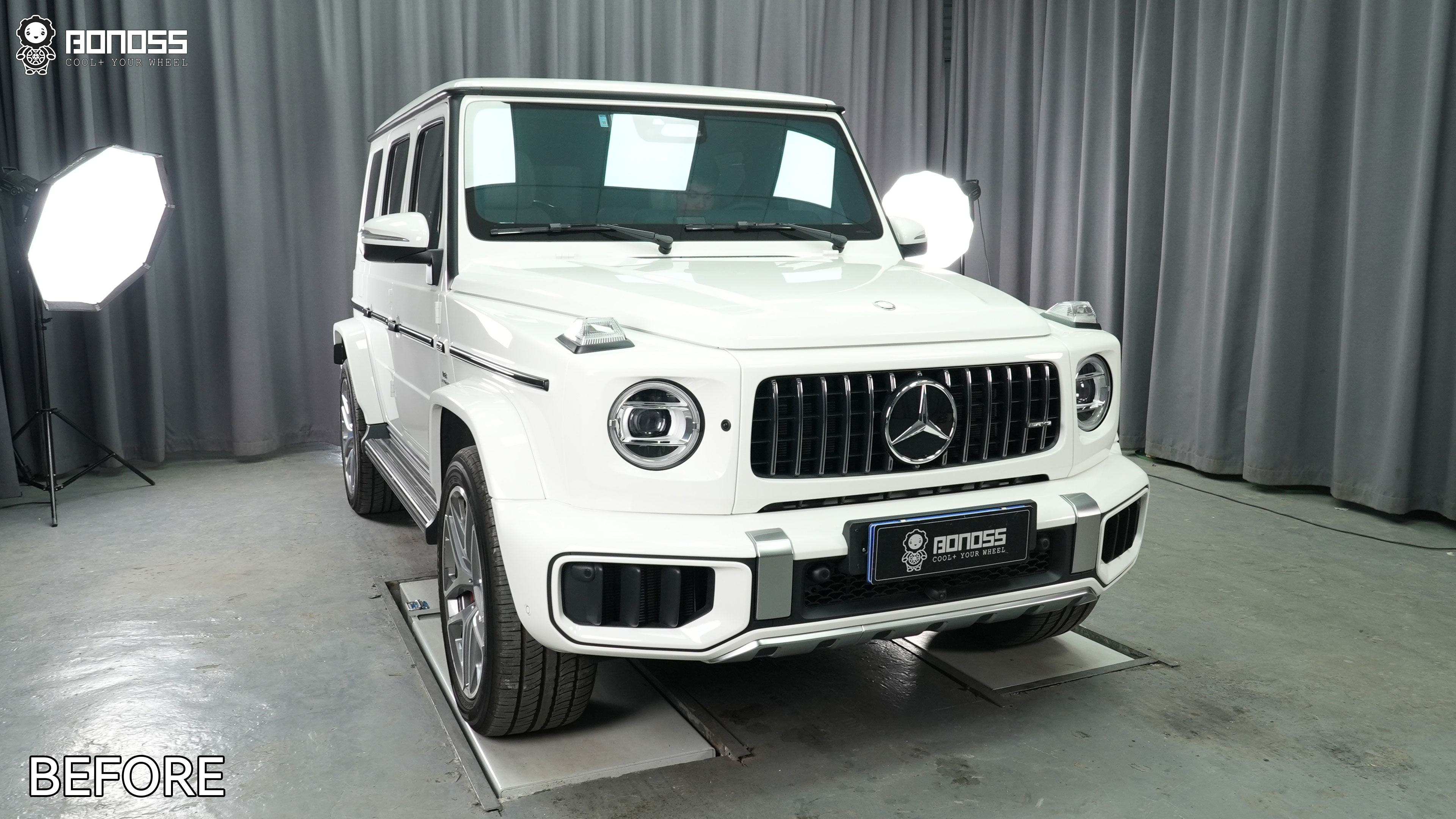
The Owner and His Truck
Mr. Henry isn’t your average customer. He manages a modification shop himself, which means he’s seen hundreds of builds roll through his bays — and the ones that always caught his eye were the G-Classes sitting perfectly flush, wheels dead even with the fenders. No tuck, no poke. Just right.
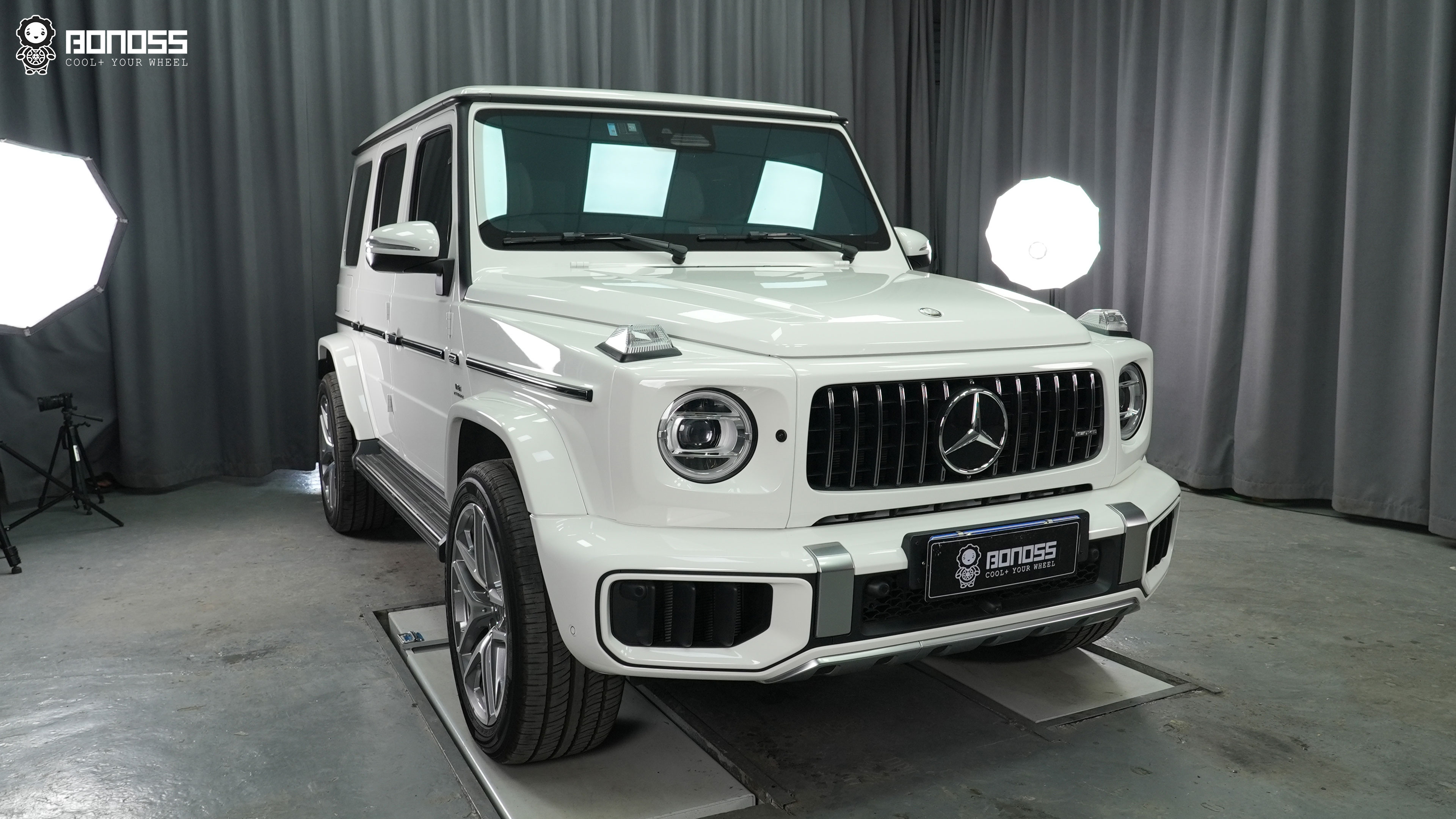
His own truck? A completely stock 2026 AMG G63 on factory 21-inch wheels, 275/45R21 tires, ET+33 offset. Gorgeous truck, but from certain angles the wheels sat noticeably inside the fender line. He knew spacers were the answer. What he didn’t know — and this is the part that trips up almost every G owner I talk to — was how thick those spacers should be. Go too thin, and you’ve wasted your money. Go too thick, and the tire kisses the fender over a bump, or you’re dealing with poke that throws rocks down the side of a six-figure truck.
That question — “what size do I actually need?” — is where we started.
How a Shop Manager Found Us
Here’s the honest version. Henry already knew the BONOSS name. Working in the industry, he’d heard it come up in conversations with customers and other builders. But being a shop manager also means he’s seen every spacer brand under the sun, including plenty of budget options that cost half as much and promise the world. So he did what any smart buyer does — he shopped around.
He reached out to a couple of other brands during his research. He compared specs, prices, and claims. And he hesitated, because when you’ve watched cheap spacers come through your own shop, you know the difference between marketing and metallurgy.
Two things tipped the scale. First, he asked around — engineers and veteran techs he trusts — and the feedback on BONOSS was consistently positive. Second, he went down the YouTube rabbit hole and found plenty of G-Class builds running BONOSS spacers, holding up fine. Real trucks, real miles. That combination of word-of-mouth from people who actually understand load ratings, plus visible proof, is hard to argue with.
Why BONOSS Won
When Henry contacted us, his first real question surprised me not at all: “Why do you offer two materials? What’s the actual difference?”
Fair question, and one I answer at least twice a week. Here’s the version I gave him: 6061-T6 aluminum is the value pick — solid, proven, priced lower, and perfectly fine for daily commuting and street use. 7075-T6 is the stronger alloy — higher tensile and yield strength, better fatigue resistance, the stuff you want if the truck ever sees rough trails or hard use. It costs a bit more, and for good reason.
Henry didn’t even pause. His words:
“Safety is non-negotiable for me. I was told forged 7075-T6 is stronger, so I went with a set for extra peace of mind. The spacer quality is excellent—exactly as advertised. Very happy with the results so far. I’m pretty confident these will last.”
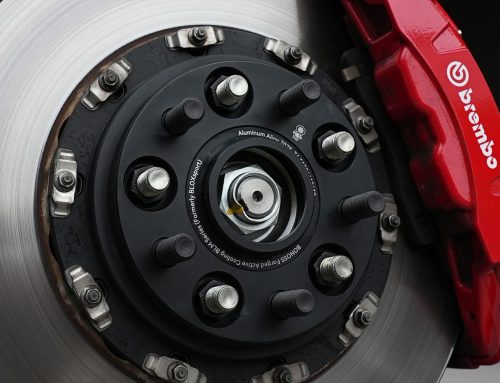
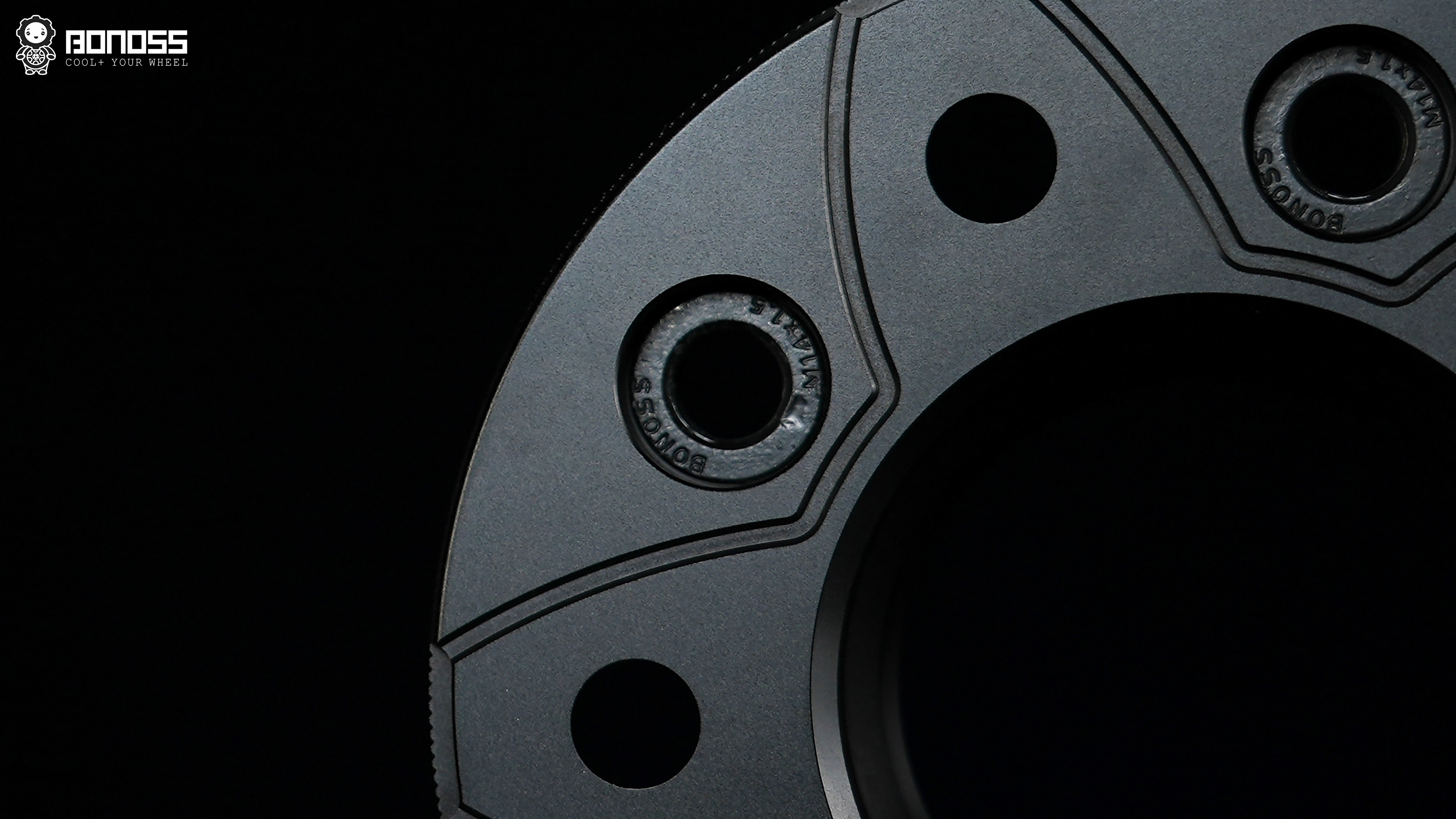
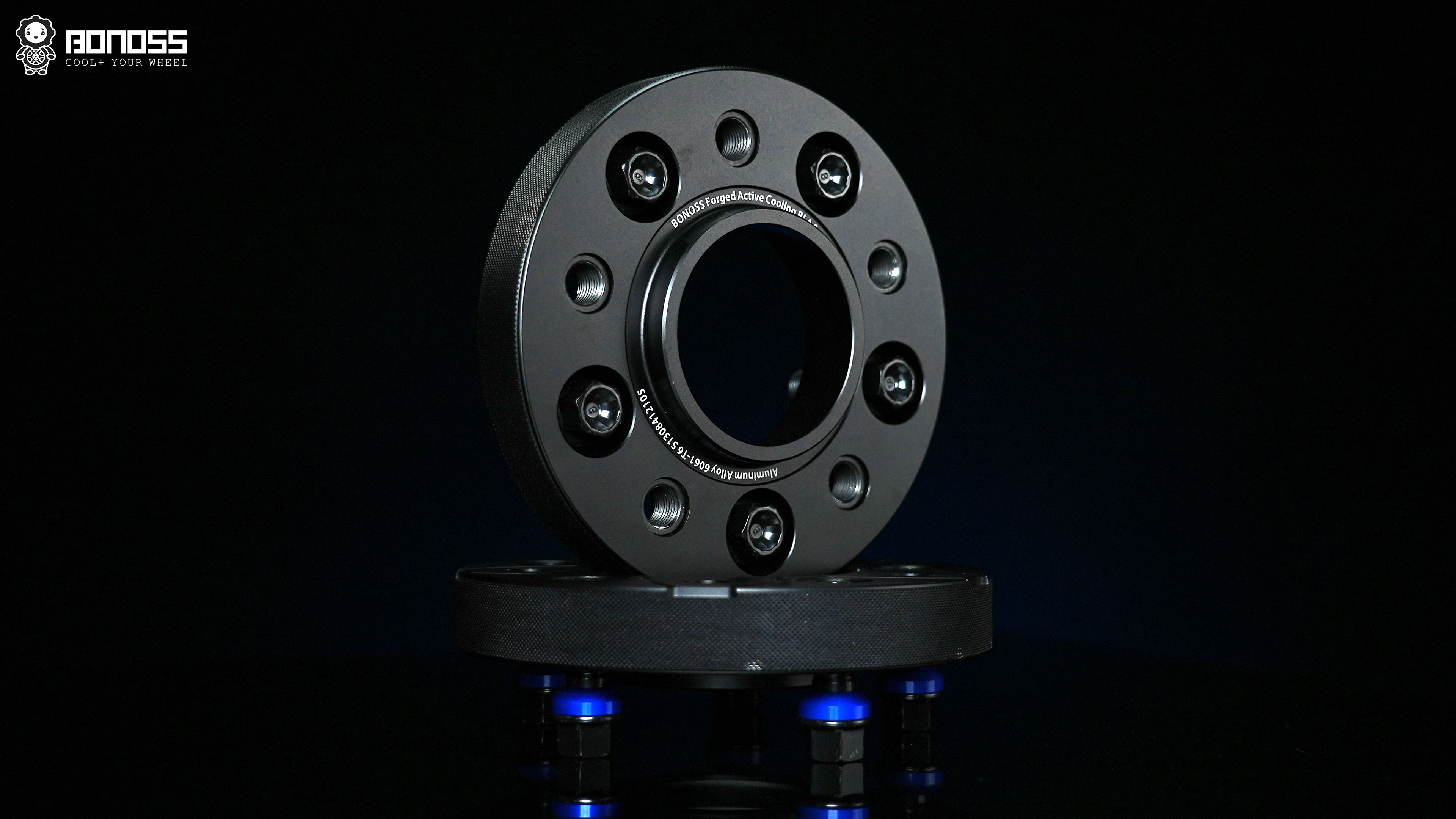
Beyond the material, the feature list lined up with everything a picky buyer wants. The active cooling design — those machined relief slots and side knurling on the spacer body — moves air around the hub area and helps shed brake heat instead of trapping it. The hub-centric fitment means the spacer centers on the hub lip, not the bolts, so there’s no wobble introduced at the mounting surface. And the kit ships with ISO grade 12.9 wheel bolts, which is the highest tensile class you’ll find in a fastener like this. Stack those against what most competitors include in the box, and the choice gets easy.
Measure Twice, Order Once
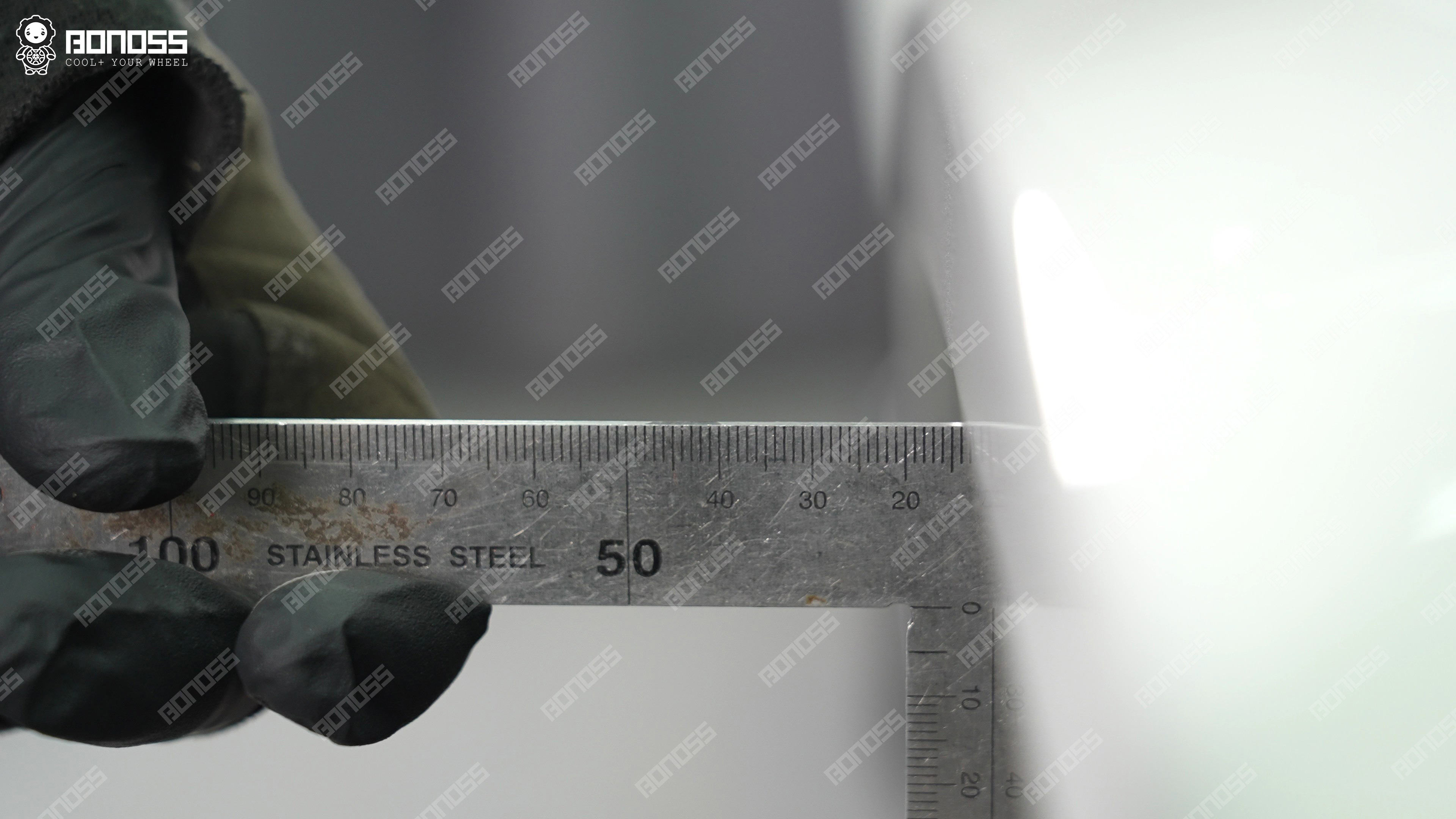
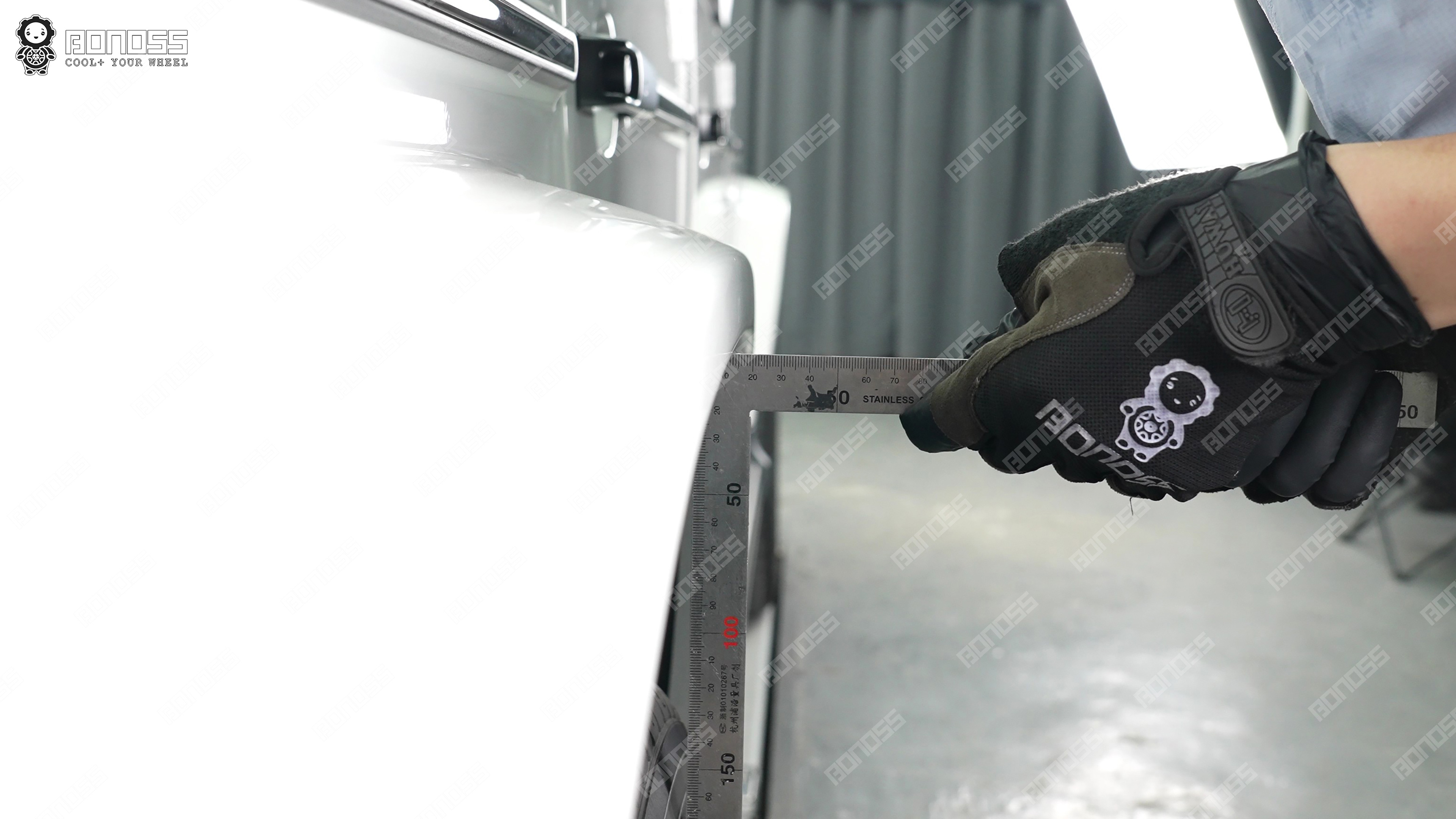
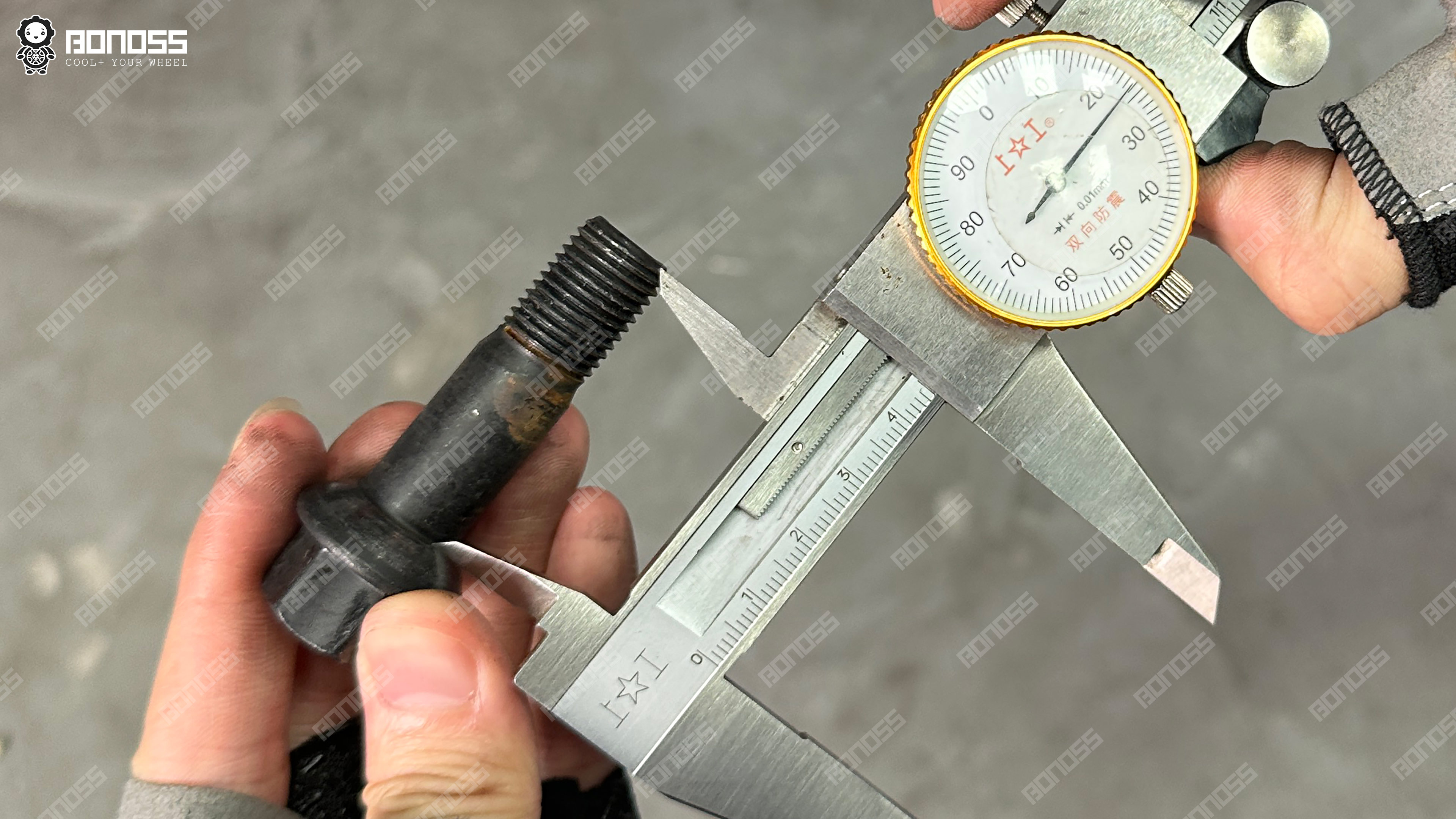
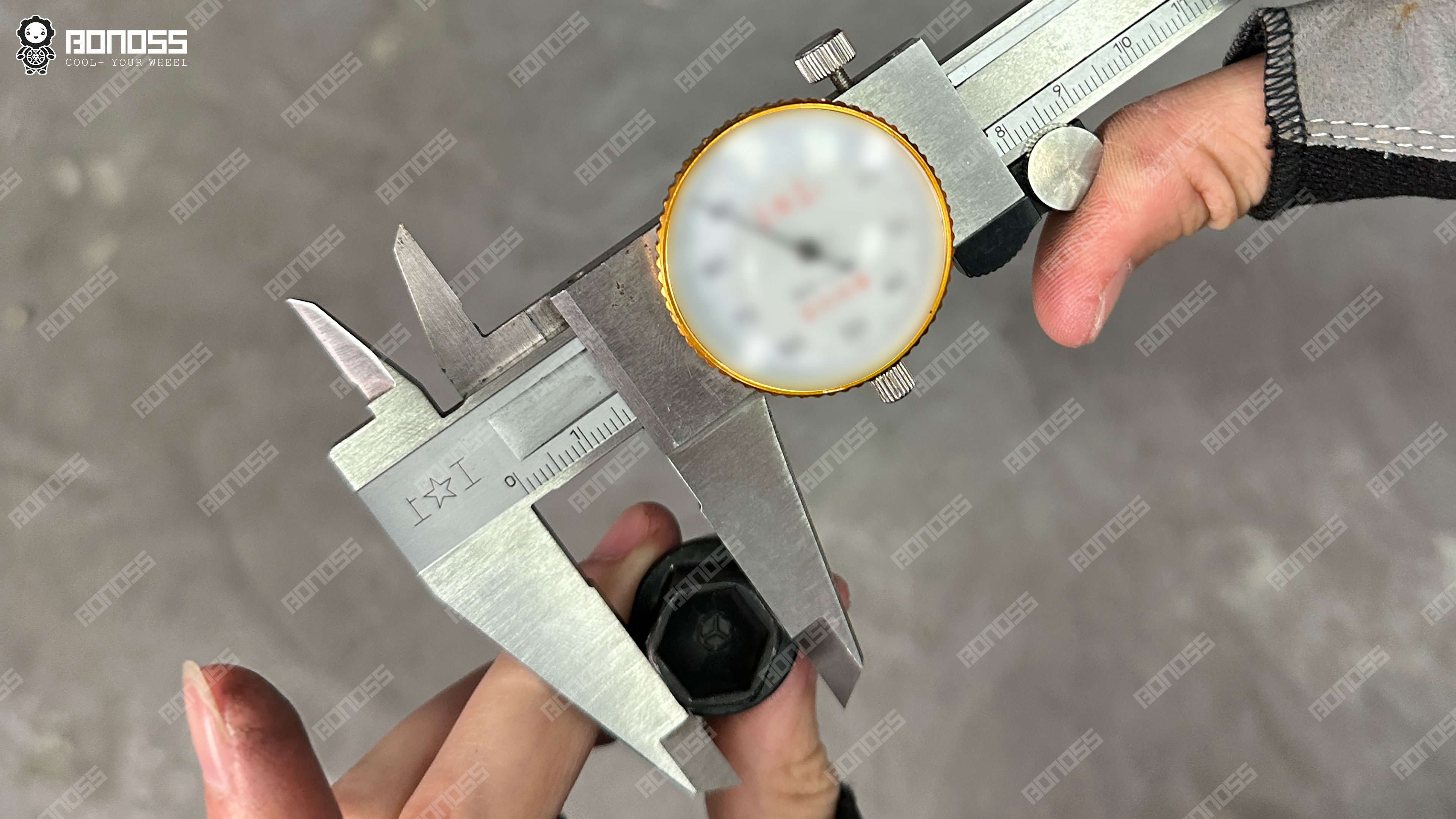
This is the part of the job I enjoy most, and the part most people skip. Before we recommend any thickness, we measure. On July 8, we went through the full checklist with a vernier caliper, a micrometer, and a high-accuracy ruler.
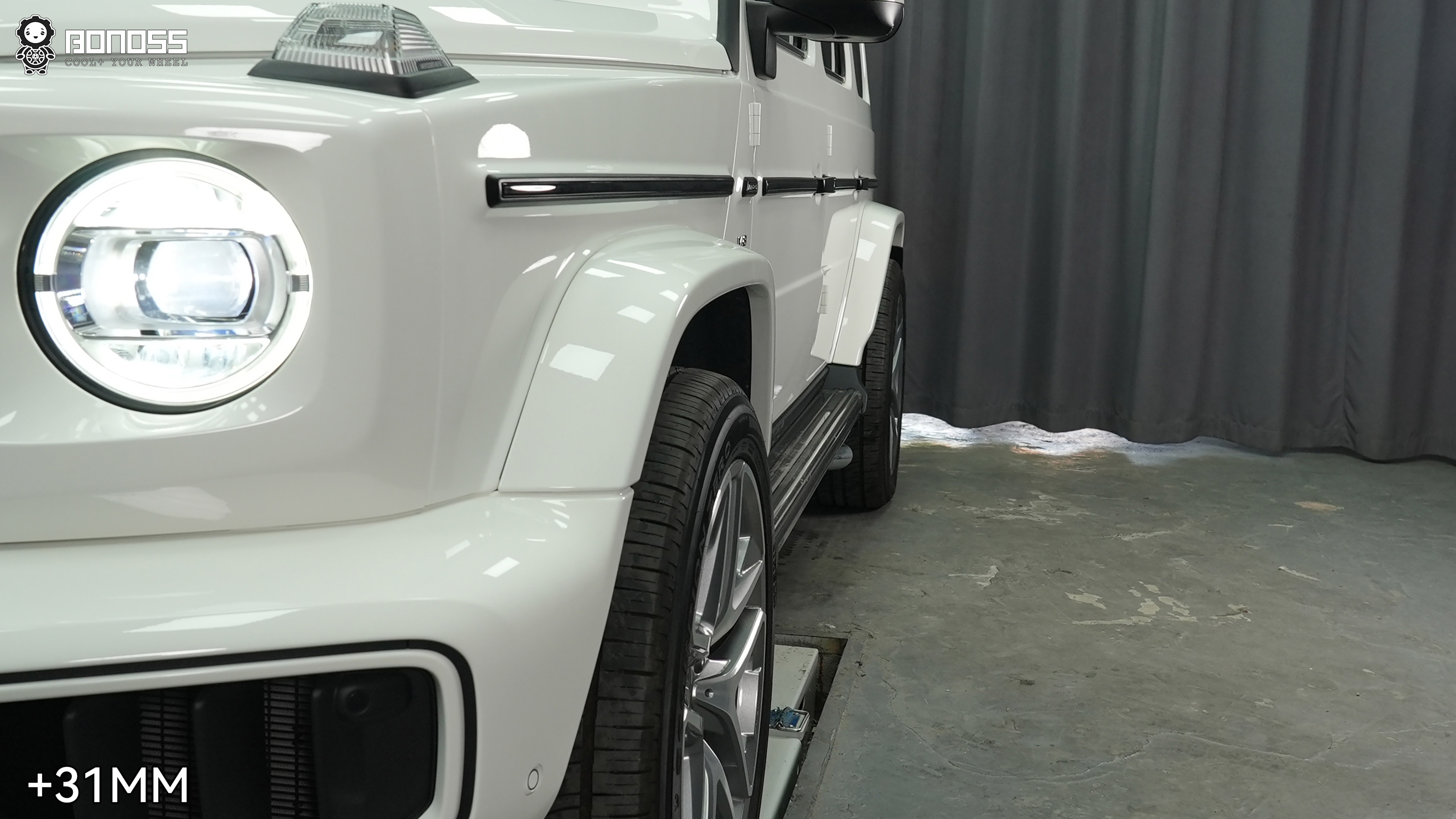
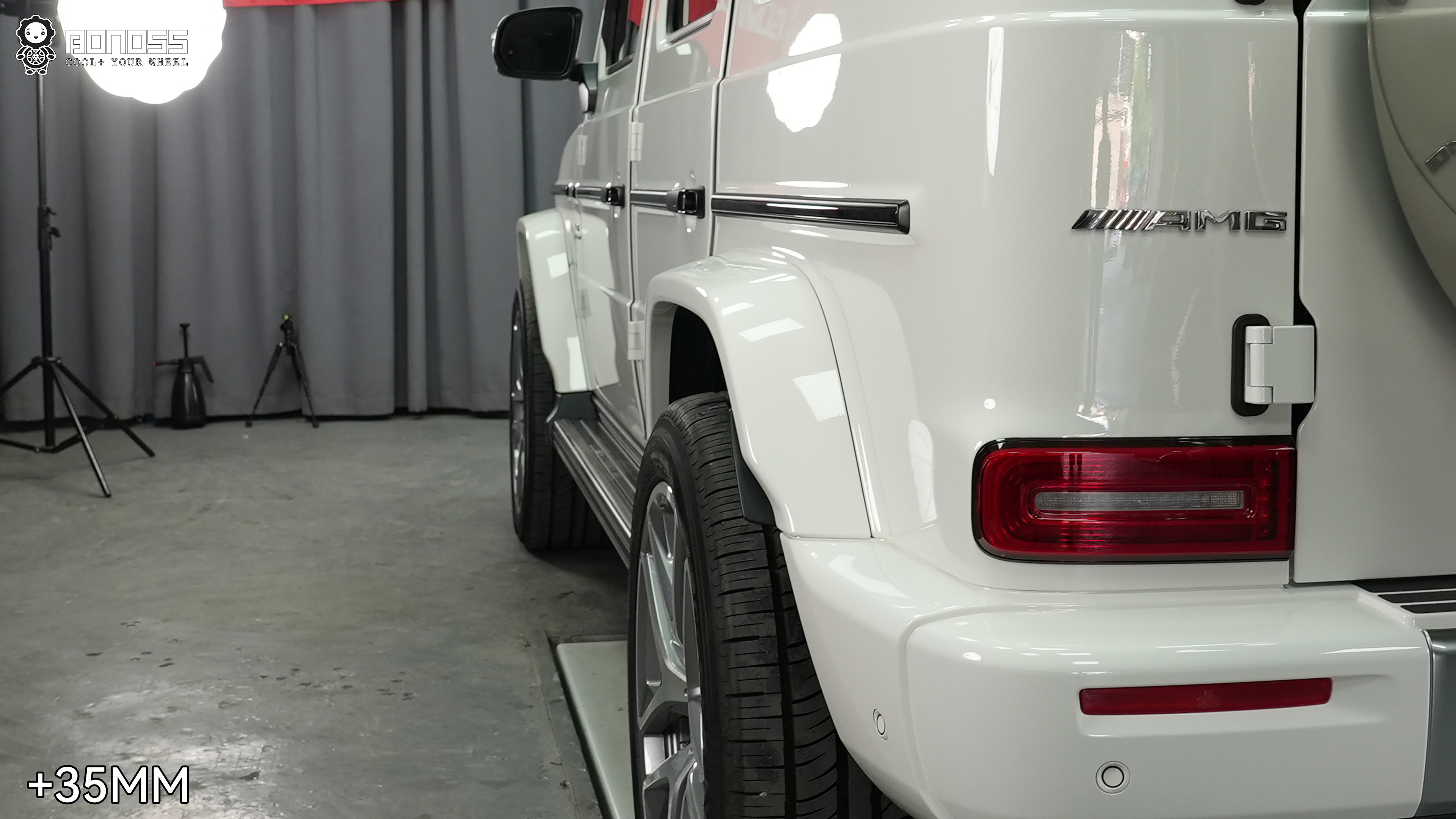
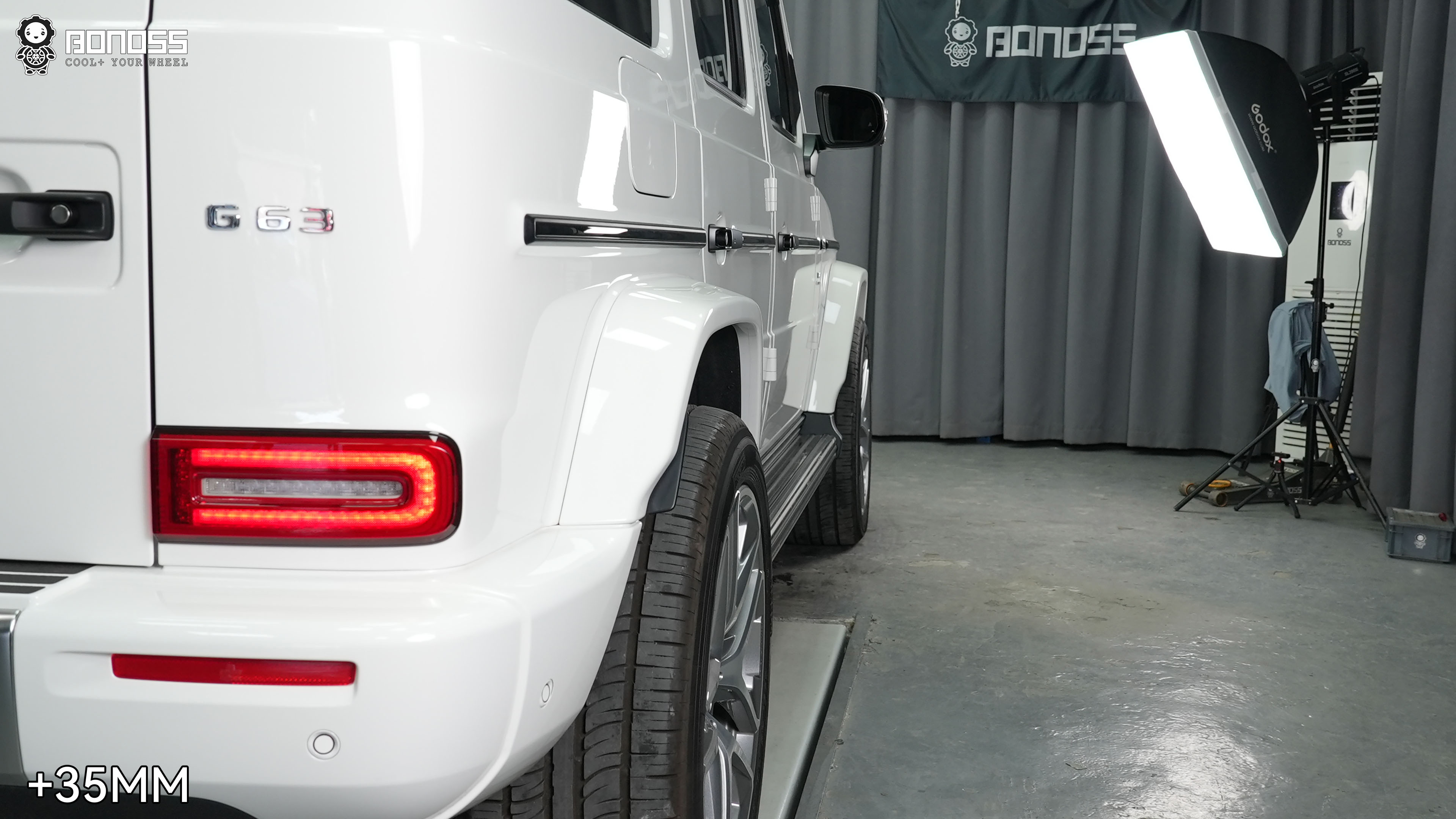
First, the fender clearance — the gap between the outermost face of the wheel/tire and the inner edge of the fender. This is the number that answers Henry’s original question. The front axle had room for 31mm. The rear could take 35mm. That’s the beauty of measuring instead of guessing: G-Wagons don’t need the same spacer front and rear, and a matched 31mm/35mm setup lands both axles right at the fender line.
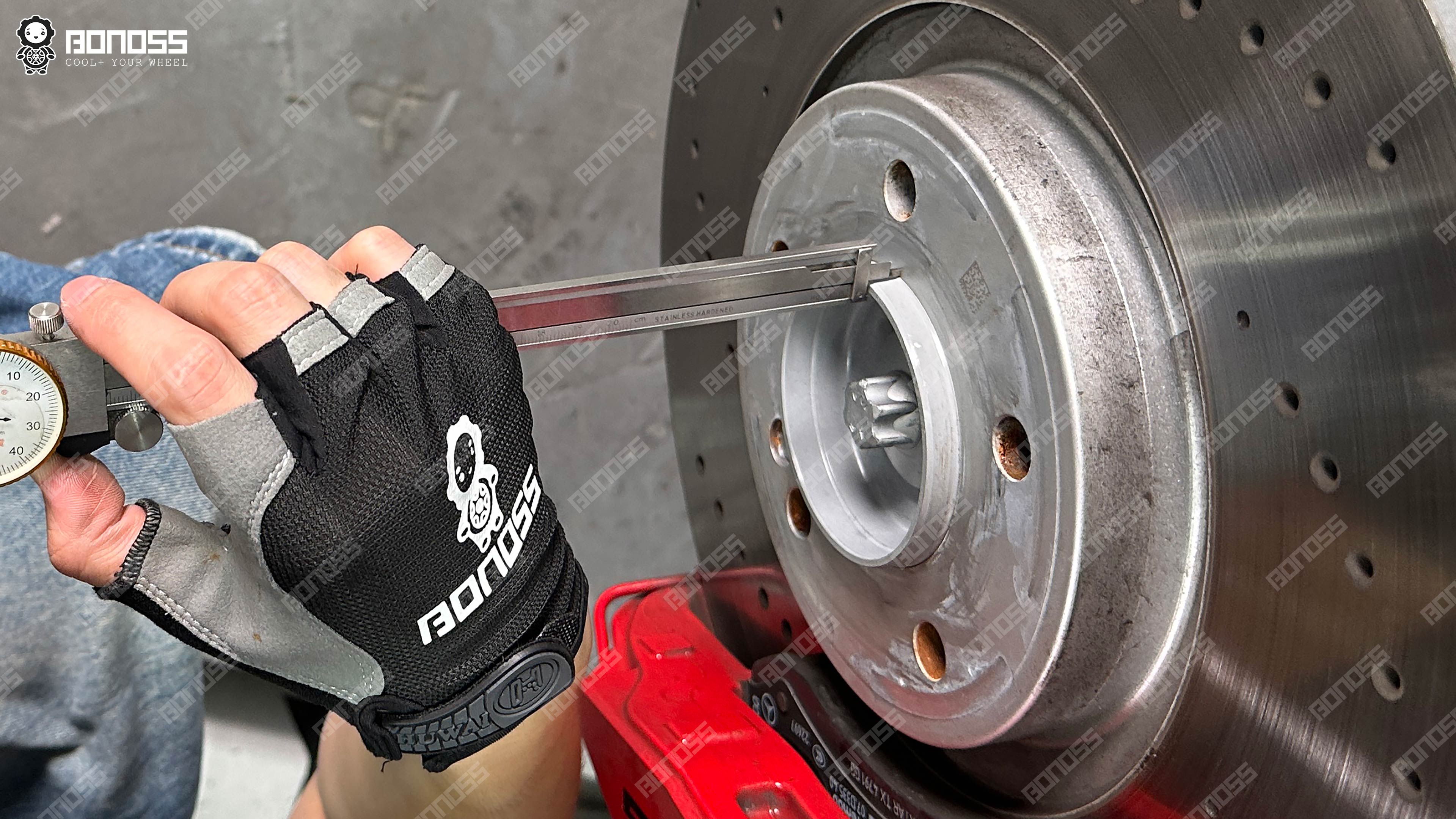
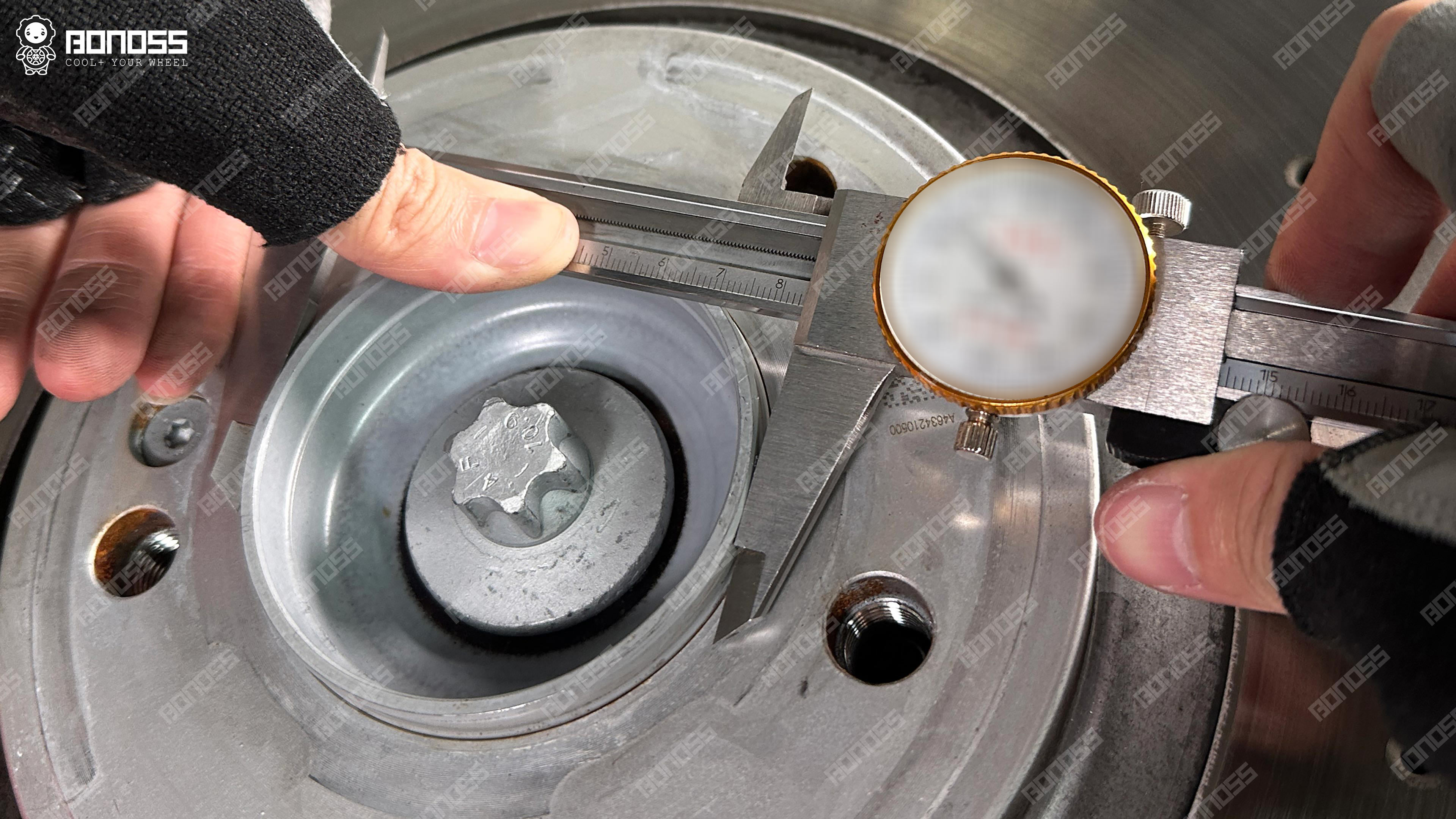
Then the hub itself. The bolt pattern (PCD) of this 2026 Mercedes-Benz G63 is 5x130mm. The center bore measured 84.08mm — right where a hub-centric spacer’s lip needs to sit. Hub lip height was checked to confirm the spacer would seat fully. We also measured the wheel side: the center bore of his wheels and the wheel pocket depth.
| Measurement | Value |
|---|---|
| Hub center bore | 84.08mm |
| Bolt pattern (PCD) | 5x130mm |
| Factory bolt thread length | 45mm |
| Factory wheel bolt size | M14x1.5, R14 ball seat, 17mm Hex |
| Wheel center bore | 84.16mm |
| Wheel pocket depth | 12.6mm |
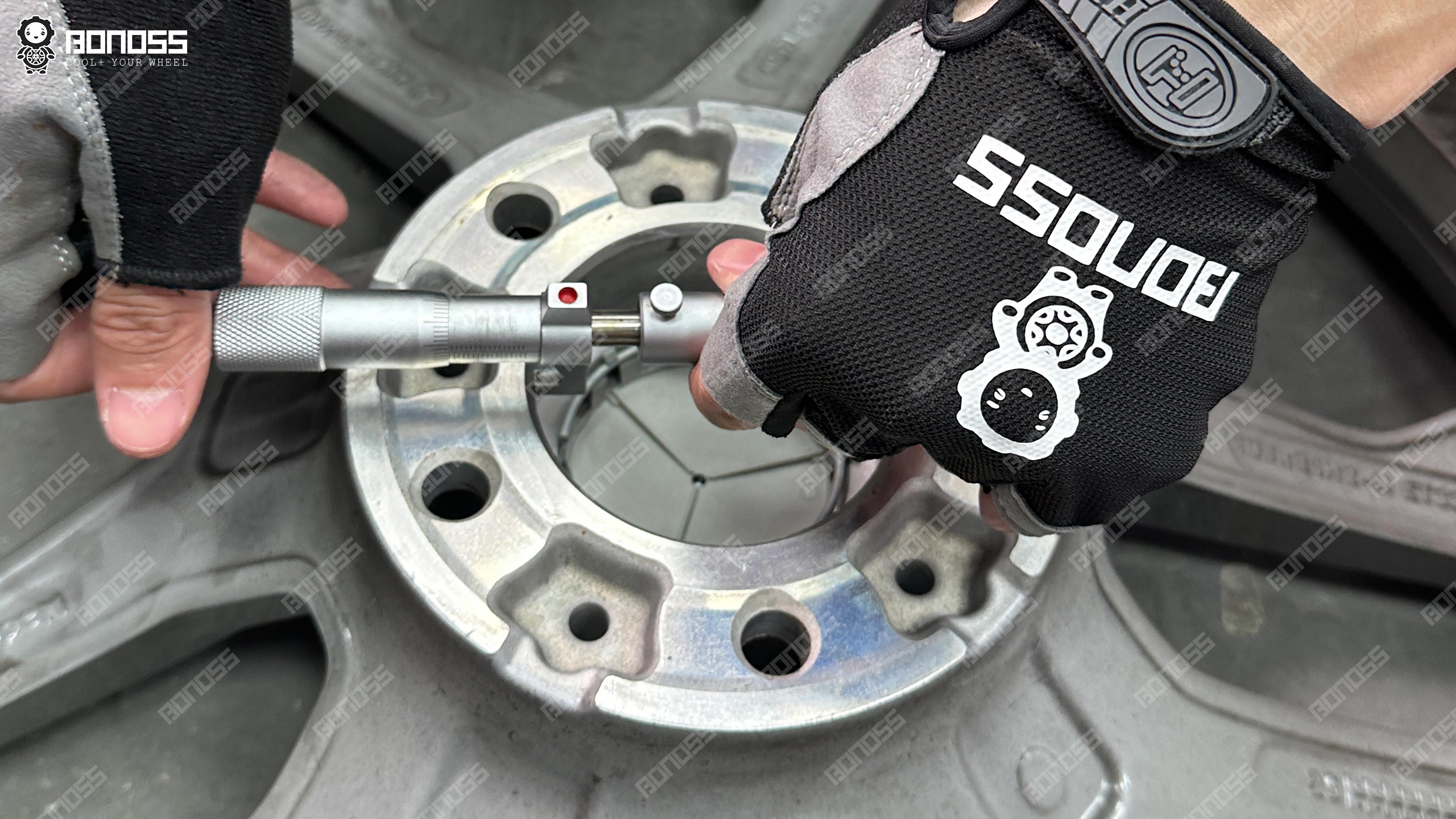
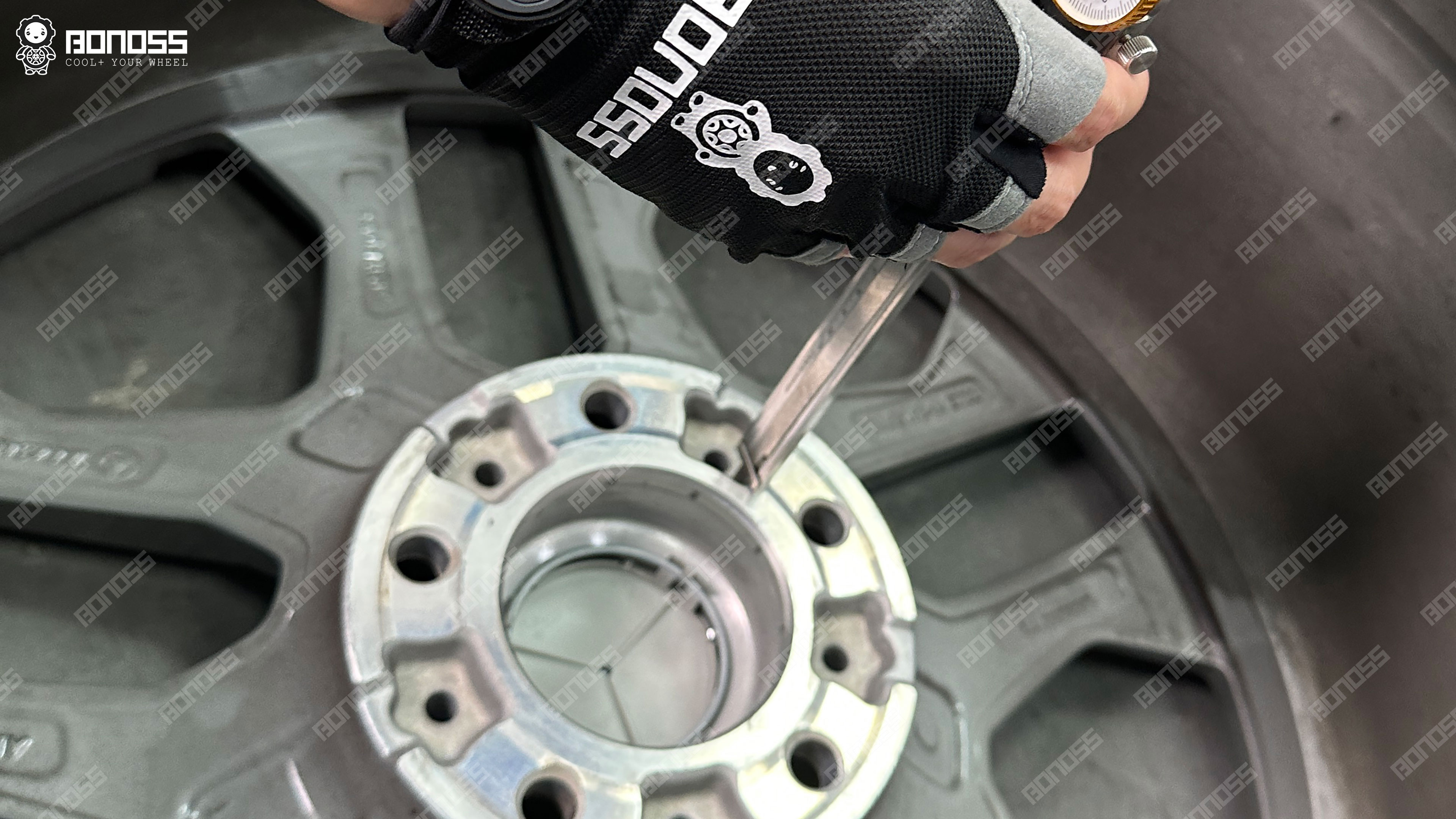
Speaking of bolts, we documented the factory hardware: M14x1.5mm thread, R14 ball seat, 45mm thread length, 17mm hex socket. Every one of those numbers matters when you’re speccing the replacement bolts that come with a spacer kit.
The offset math, for anyone following along at home: stock ET+33 up front minus a 31mm spacer leaves you at ET+2. Rear: ET+33 minus 35mm puts you at ET-2. That’s the flush zone on this chassis without going aggressive. If you want the full breakdown of how spacer thickness maps to fitment on this platform, we keep a running G-Class wheel spacer size reference.
Four spacers, forged 7075-T6, active cooling, hub-centric, with the correct grade 12.9 bolts: $534 total. Henry’s take on the number? “Fair price with a quick installation.” Hard to argue.
Installation Day
With the measurements done and the parts confirmed, the install itself took about an hour, end-to-end. For anyone wondering what a proper spacer install actually looks like, here’s the sequence we follow — this is the order that matters:
- Lift and secure the truck, and take off one wheel. Inspect the hub faces for rust, dirt, or old thread locker while you’re in there.
- Clean every mounting surface. Spray degreaser and use a wire brush on the hub face until it’s bright metal. Any debris here becomes a runout problem at 70 mph.
- Test-fit each spacer on the hub. It should slide over the 84.08mm hub lip and sit dead flat with zero rock. Ours did — hub-centric fitment doing its job.
- Bolt the BONOSS spacers to the hub using the supplied grade 12.9 bolts, torqued in a star pattern to 140 Nm (per BONOSS installation instructions).
- Use the factory wheel bolts to remount the wheels onto the spacers’ integrated wheel nuts and torque the factory wheel bolts to 180 Nm (per the owner’s manual) in a star pattern.
- Lower the truck, re-torque everything after a short drive, and re-check again at the first 50-100 miles. That re-check is not optional in my book.
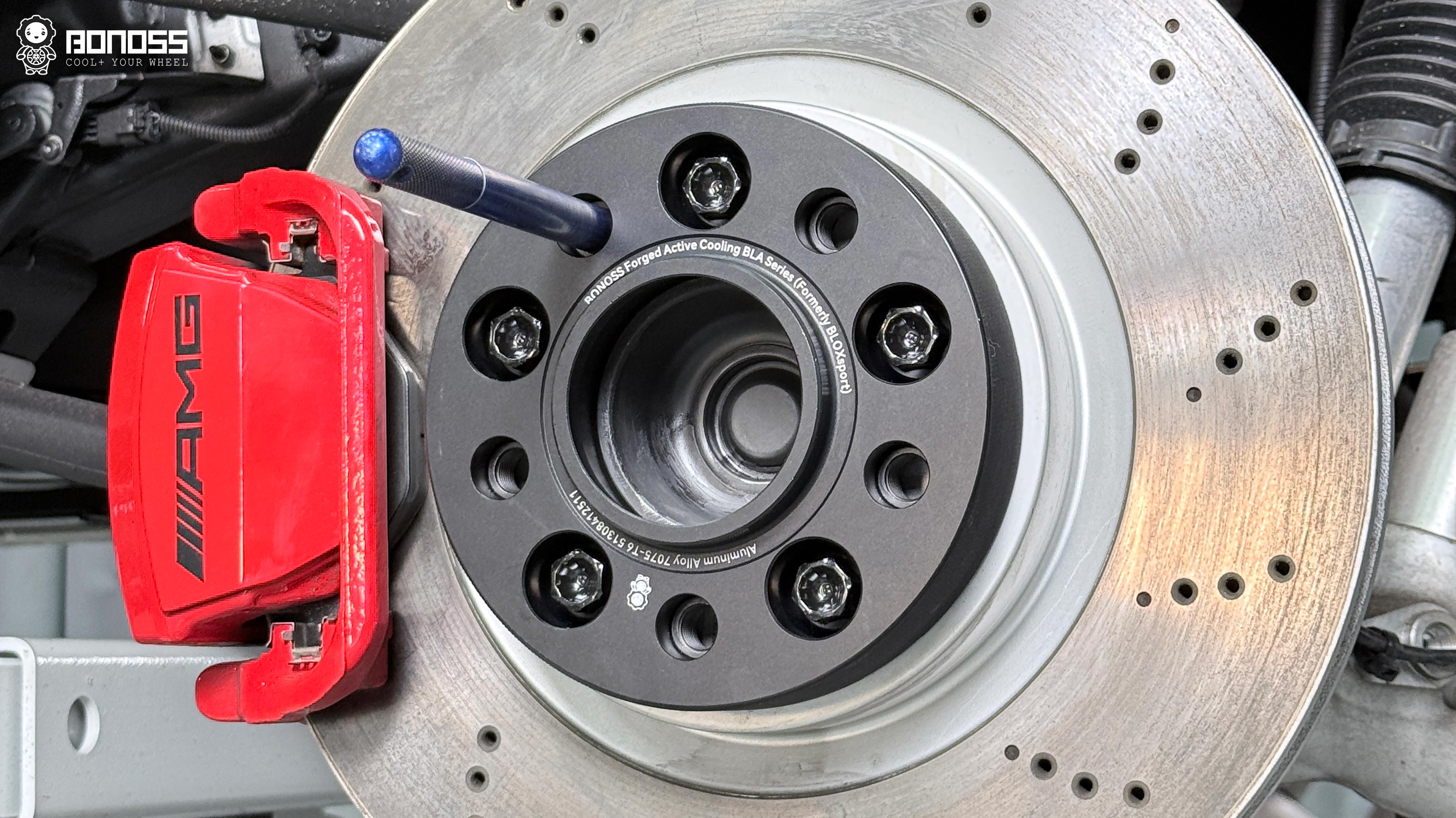
No drama during the whole job. No clearance surprises, no binding, nothing rubbing at full lock. That’s what happens when the measuring happens before the ordering.
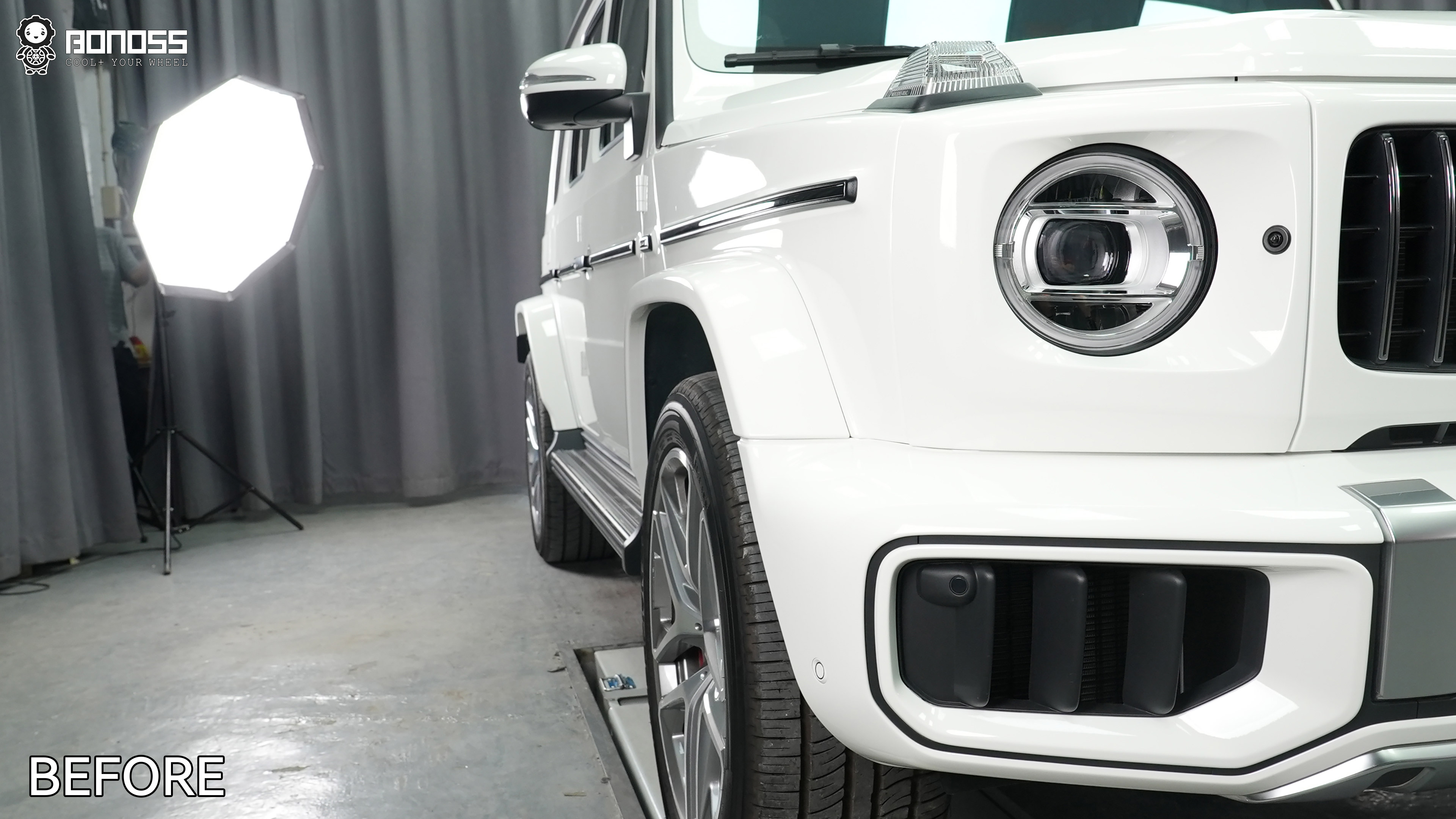
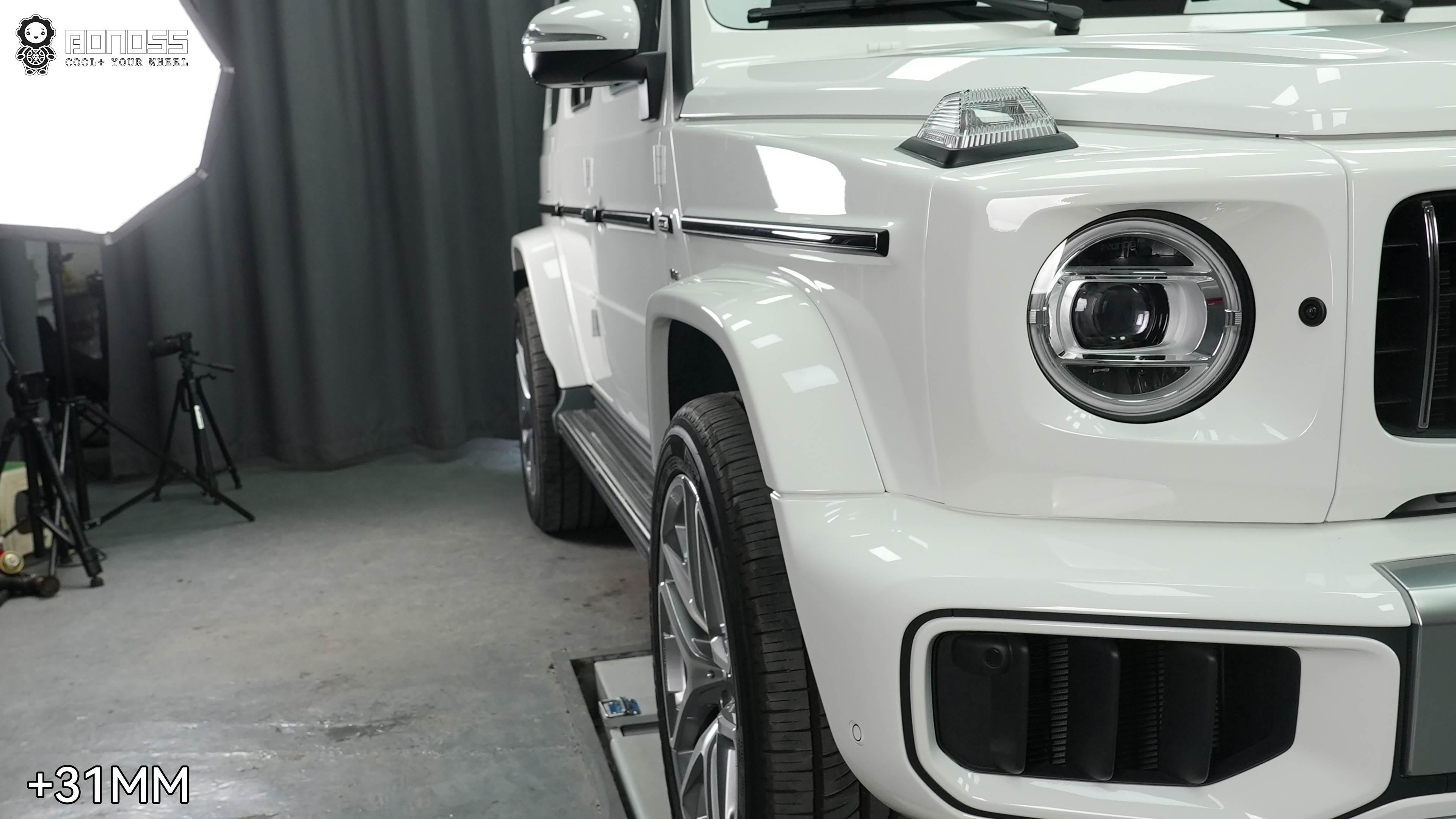
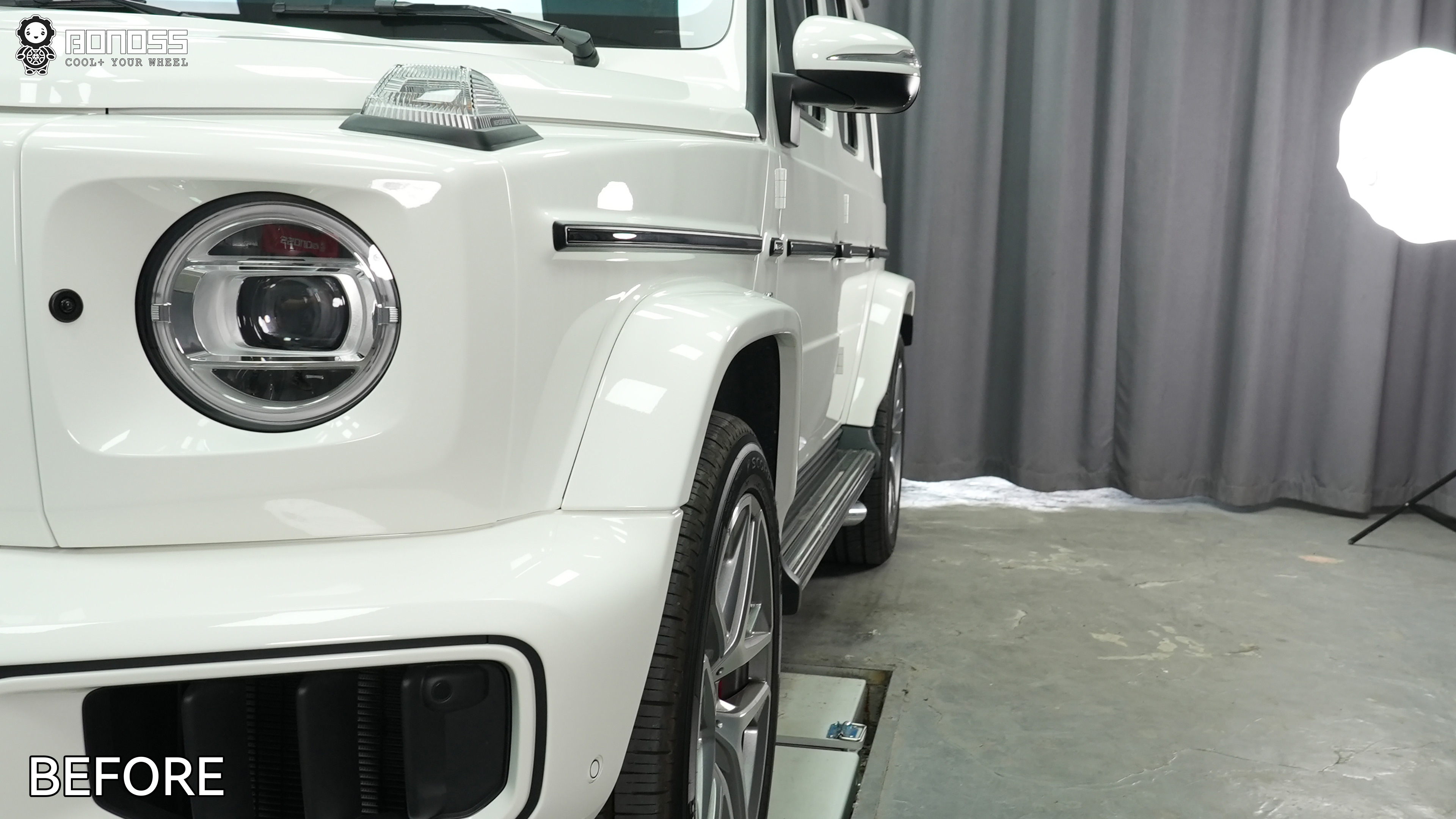
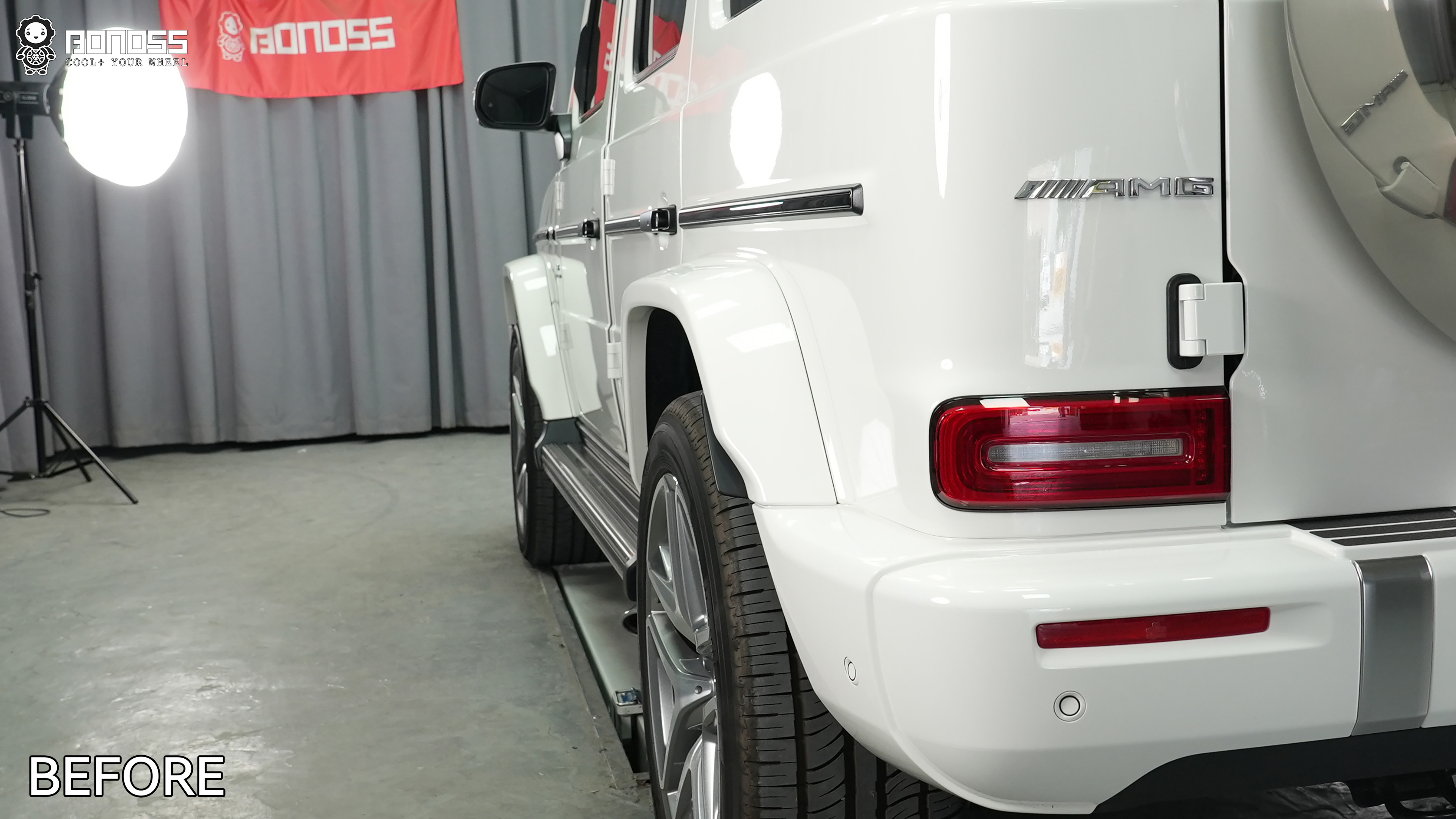
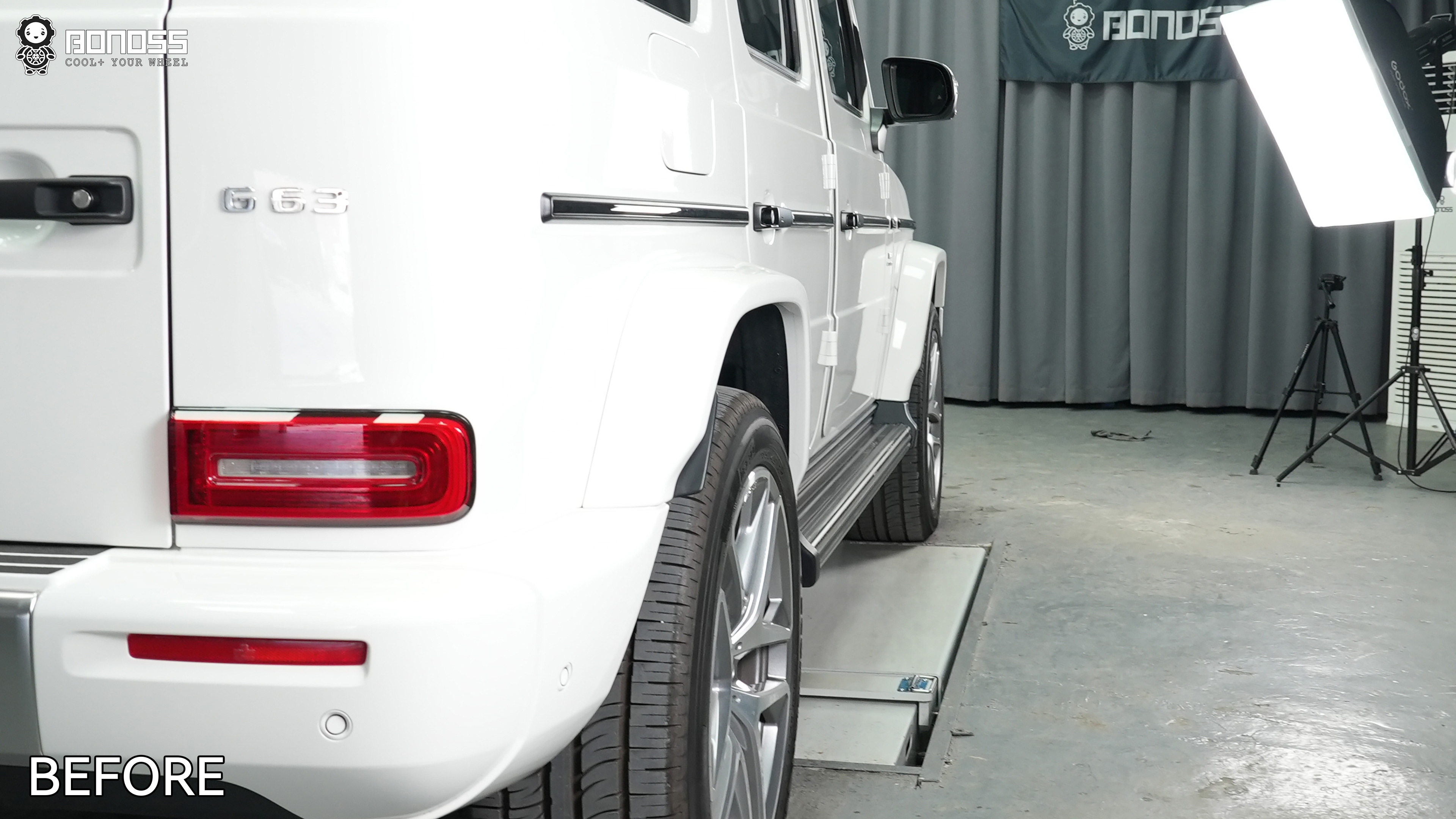
The before-and-after on each corner tells the story better than I can. Front left, front right, rear left, rear right — in every shot, the wheel face moves from “tucked inside the arch” to “dead even with the fender.” Subtle from ten feet away, obvious when you know where to look.
635 Miles Later
Henry has put 635 miles on the setup since July 8, including a proper highway shakedown. I’ll let him tell it:
“After the install, I drove on the highway at 70 mph for around 30 minutes. Definitely a noticeable improvement—the truck felt more stable at speed. The flush stance is a nice touch, and it looks better than it did before.”
The stability comment doesn’t surprise me. Pushing the track width out roughly 62mm up front and 70mm in the rear widens the truck’s footprint, and you feel that as a calmer, more planted ride at speed. It’s not a night-and-day transformation — it’s a G63, it was already composed — but it’s real, and it’s the kind of thing you notice on an off-ramp or in a crosswind.
His summary of the whole experience:
“These BONOSS wheel spacers look accurate and great. Fair price with a quick installation.”
“I went with this company based on their testing and compliance info. Wheel spacer quality isn’t something to cut corners on. The rep was easy to talk to, knew his stuff, and got me set up with the right product. I’d definitely buy from them again if I need spacers in the future.”
FAQ
What size wheel spacers does a 2026 Mercedes-AMG G63 need for a flush stance?
On a stock W465 G63 running factory 21-inch wheels with ET+33 offset, we measured and fitted 31mm up front and 35mm in the rear. That brought the effective offset to ET+2 front and ET-2 rear — flush with the fenders without poke. Every truck sits a little differently, though, so measure your own fender clearance before ordering rather than copying our numbers blind.
Are wheel spacers safe on a Mercedes G-Class?
Yes — when they’re hub-centric, forged, torqued correctly, and paired with proper grade 12.9 hardware. The failures you hear about almost always trace back to cheap cast spacers, wrong torque, or lug-centric designs that hang the wheel’s weight on the bolts. We’ve written a deeper dive on this exact question. Check the Mercedes G-Class wheel spacers safety guide.
What’s the difference between 6061-T6 and 7075-T6 wheel spacers?
Both are forged aluminum alloys, but 7075-T6 has meaningfully higher tensile and yield strength and better fatigue resistance — it’s the grade used in aerospace fittings. 6061-T6 is more affordable and perfectly adequate for street-driven vehicles. If the truck tows, goes off-road, or you simply want the stronger option, 7075-T6 is worth the price difference. It’s what this G63 runs.
Do wheel spacers change my G-Wagon’s offset?
Yes — a spacer reduces your effective offset by exactly its thickness. Stock ET+33 wheels with a 31mm spacer become ET+2; with a 35mm spacer, ET-2. If you want to play with the numbers before buying, our size reference lays out the common combinations.
How much do Mercedes G-Class wheel spacers cost?
This complete set — four forged 7075-T6 active cooling spacers (31mm front, 35mm rear) with grade 12.9 bolts — came to $534. Thinner 6061-T6 sets cost less. For a full price breakdown by thickness and material, check our Mercedes G-Class wheel spacers cost guide.
Final Word
Jobs like this are why I still enjoy the work. A knowledgeable owner, a stock truck, honest measurements, and the right parts — no guesswork anywhere in the chain. Six hundred-plus miles later, the G63 sits flush, rides stable, and the hardware hasn’t moved a millimeter.
If you’re speccing 2026 Mercedes-Benz G-Class wheel spacers for your own truck, start with a tape measure and a caliper — or start with people who’ll do the measuring for you. The exact setup from this article — forged 7075-T6, active cooling, hub-centric, 31mm front / 35mm rear — is at the link below.
Shop BONOSS forged active cooling wheel spacers for your G-Class.

About Robert Wall
Robert Wall is a Senior Automotive Engineer at BONOSS with over 9 years of experience in automotive component R&D, specializing in the structural design and safety validation of wheel spacers, wheel adapters, and high-strength fasteners. He is actively involved in product testing and on-track evaluation and is dedicated to translating engineering expertise into accessible modification knowledge — helping enthusiasts upgrade their vehicle’s stance and handling without compromising safety.