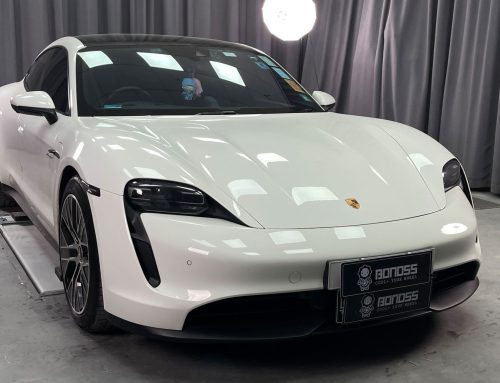
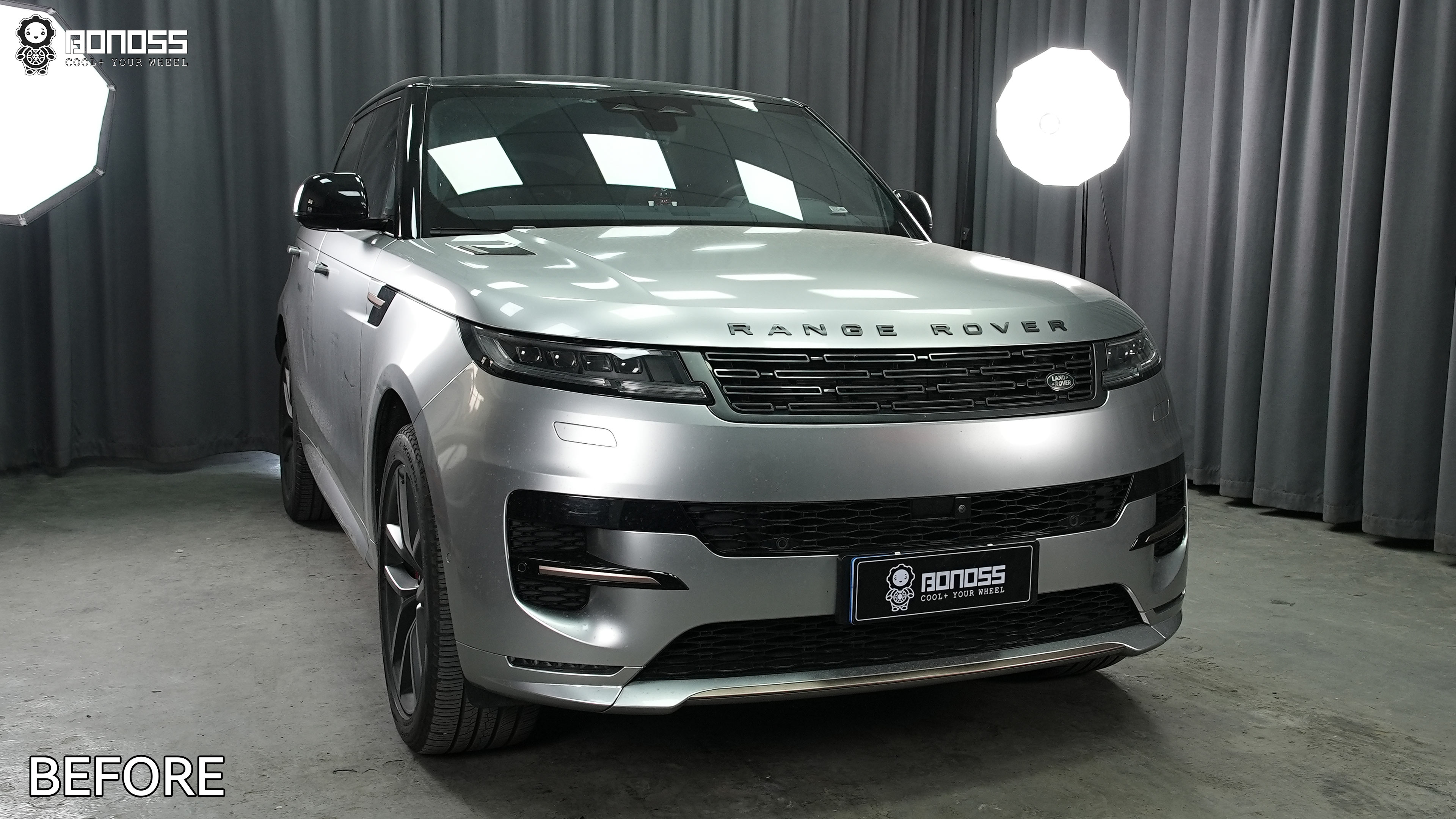
Some owners are perfectly happy with the way a stock 2026 Range Rover Sport sits, some are not, like the owner in today’s story. From the factory, the wheels tuck a little too far inside the fenders. It’s subtle, but once you notice it, you can’t unsee it. The car looks like it’s standing on tiptoes.
The fix is straightforward: a quality set of wheel spacers. But “quality” is the word that matters most here, because not all spacers are made the same way, and not all of them belong on a vehicle you drive at highway speed.
This is the story of a real install we did at the BONOSS shop. We measured a 2026 Land Rover Range Rover Sport on December 16, 2025, took the photos you’ll see below, and fitted it with a set of BONOSS forged lightweight plus wheel spacers — 15mm up front and 20mm in the rear. The owner, Matthew, has now covered 6,700 miles since that day. Here’s the short version up front: no rubbing, no strange noises, the wheels still seat perfectly, and the flush stance looks exactly the way it should have from the factory. The long version is worth reading if you’re shopping for 2026 Range Rover Sport spacers yourself.
| Item | Detail |
|---|---|
| Vehicle | 2026 Land Rover Range Rover Sport (L461) |
| Stock wheels | 285/45R22, ET +42.5 mm |
| Bolt pattern (PCD) | 5×120 mm |
| Hub center bore (CB) | 72.5 mm |
| Factory wheel bolt | M14x1.5 mm, conical seat |
| Factory bolt thread length | 27 mm |
| Spacers fitted | BONOSS forged lightweight plus spacers— Front 15 mm / Rear 20 mm |
| New effective offset | Front ET +27.5 / Rear ET +22.5 |
| New wheel bolts | BONOSS 12.9 grade shell-type (honeycomb, metal-gray) |
| Mods | Stock setup |
| BONOSS-recommended torque Spec | 140 Nm |
| Install time | About 1 hour |
| Miles since install | 6,700 miles |
Matthew wasn’t a stranger to aftermarket parts, but this was his first set of spacers, and he had the same question most people ask first: Is this safe? We’ll get to that, because it’s the question that actually matters.
How Matthew Found Us
He wanted the flush look. That’s the whole reason this started. He searched online for ways to bring the wheels out on his Range Rover Sport, and kept landing on pages and videos showing BONOSS spacers on Land Rover fitments. So he reached out.
We see this a lot, and it’s worth saying plainly: most people don’t start by searching for a brand. They start by searching for a result. “2026 Range Rover Sport spacers,” “Range Rover Sport flush fitment,” “Land Rover spacers that don’t rub” — that kind of thing. If a brand keeps showing up next to the answers they’re looking for, that’s who they call. That’s exactly what happened here.
Why He Almost Didn’t Buy — and Why He Did
Before he called us, Matthew did his homework. He compared a couple of other spacer brands and even reached out to them. Fair play — I’d tell anyone to do the same. But he was hesitating, and his hesitation was honest: he’d never used BONOSS before, and he wasn’t sure wheel spacers were safe at all.
Two things tipped it. First, he asked around in his own circle of people who modify cars, and a few of them had run BONOSS spacers with no complaints. That kind of word-of-mouth matters more than any ad. Second, we showed him the paper trail instead of just talking. We’re a manufacturer with our own wheel spacer factory — we’re not a reseller box-ticking someone else’s product — and we put the SGS TÜV test reports in front of him. We explained that a correctly installed, high-quality spacer is safe, even if you take the truck off-road now and then. Once he understood the lightweight plus design, the multi-stage hub-centric fit, and the ISO Grade 12.9 wheel bolts, he made the call.
The Install: What We Measured, What We Hit, What We Fixed
Here’s where the photos come in. I’ll reference each one so you can see exactly what we’re describing.
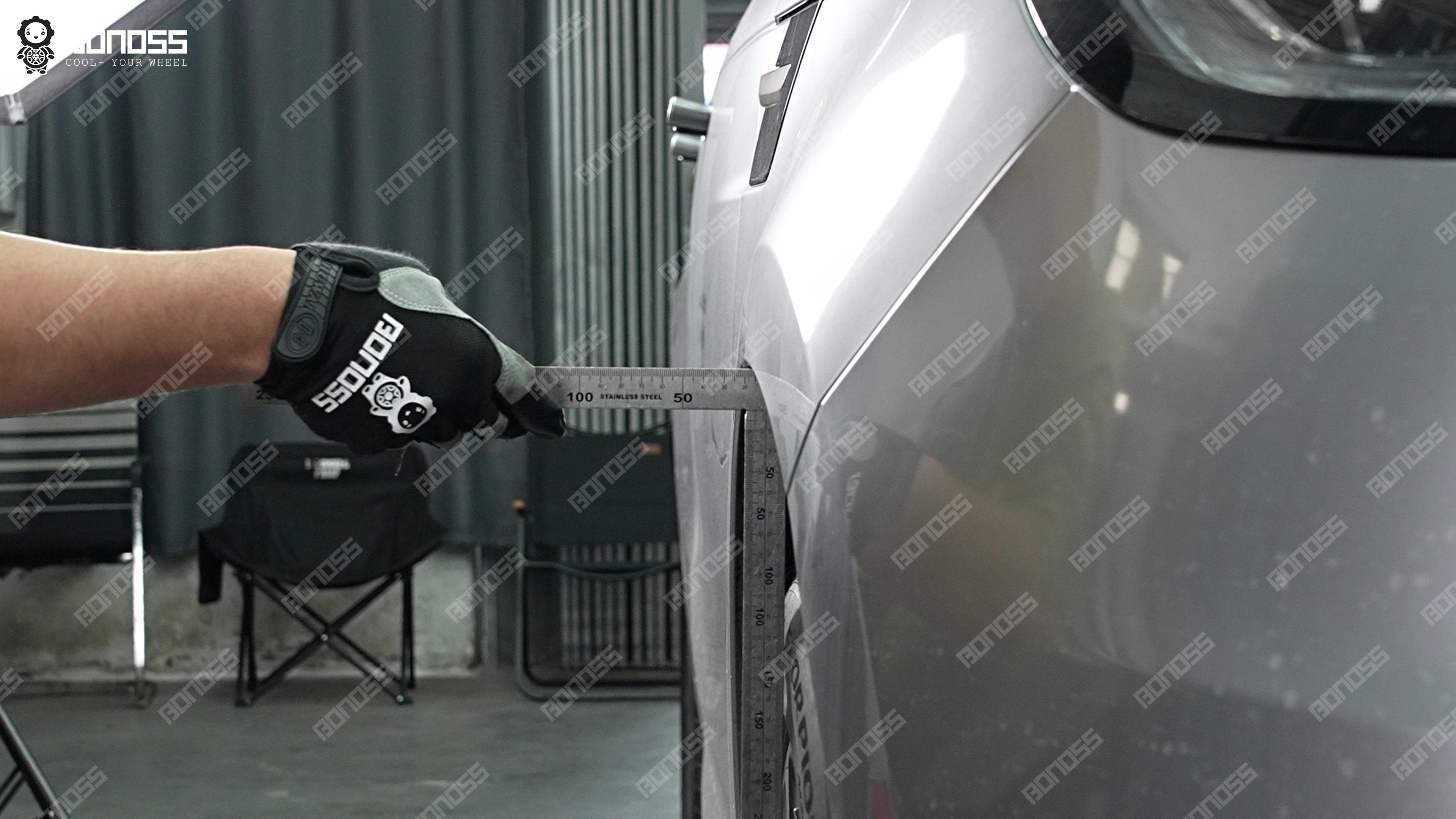
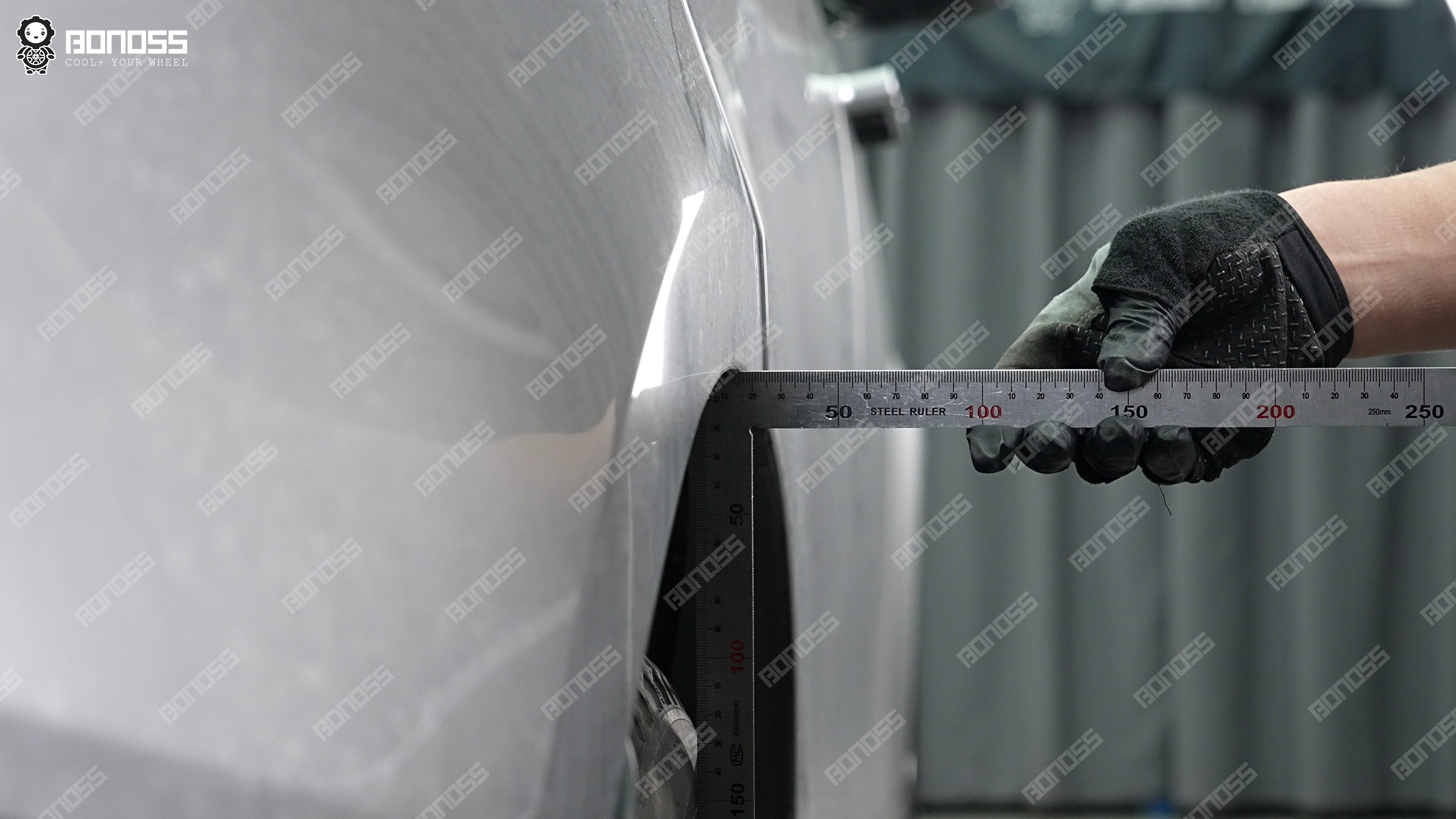
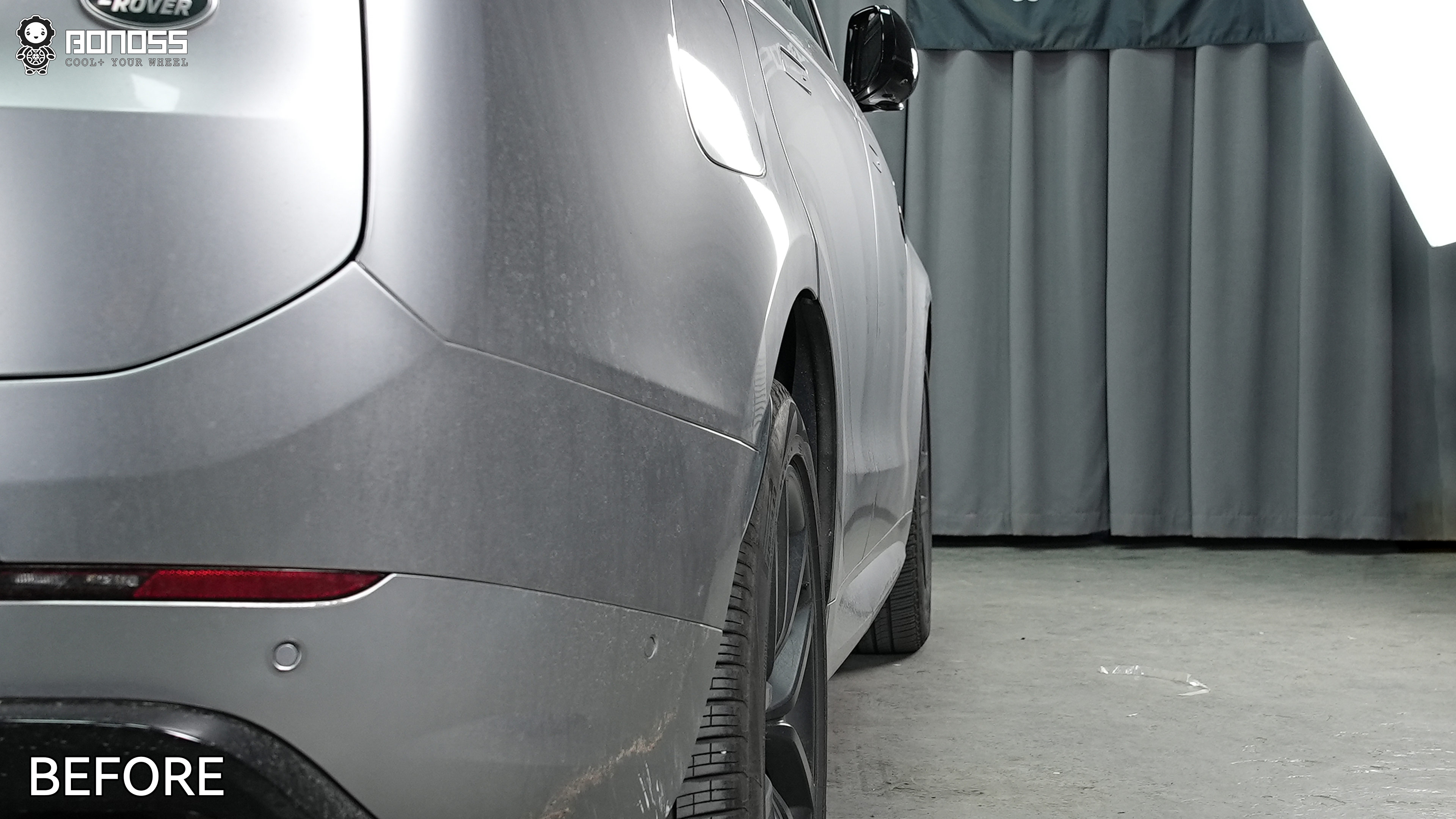
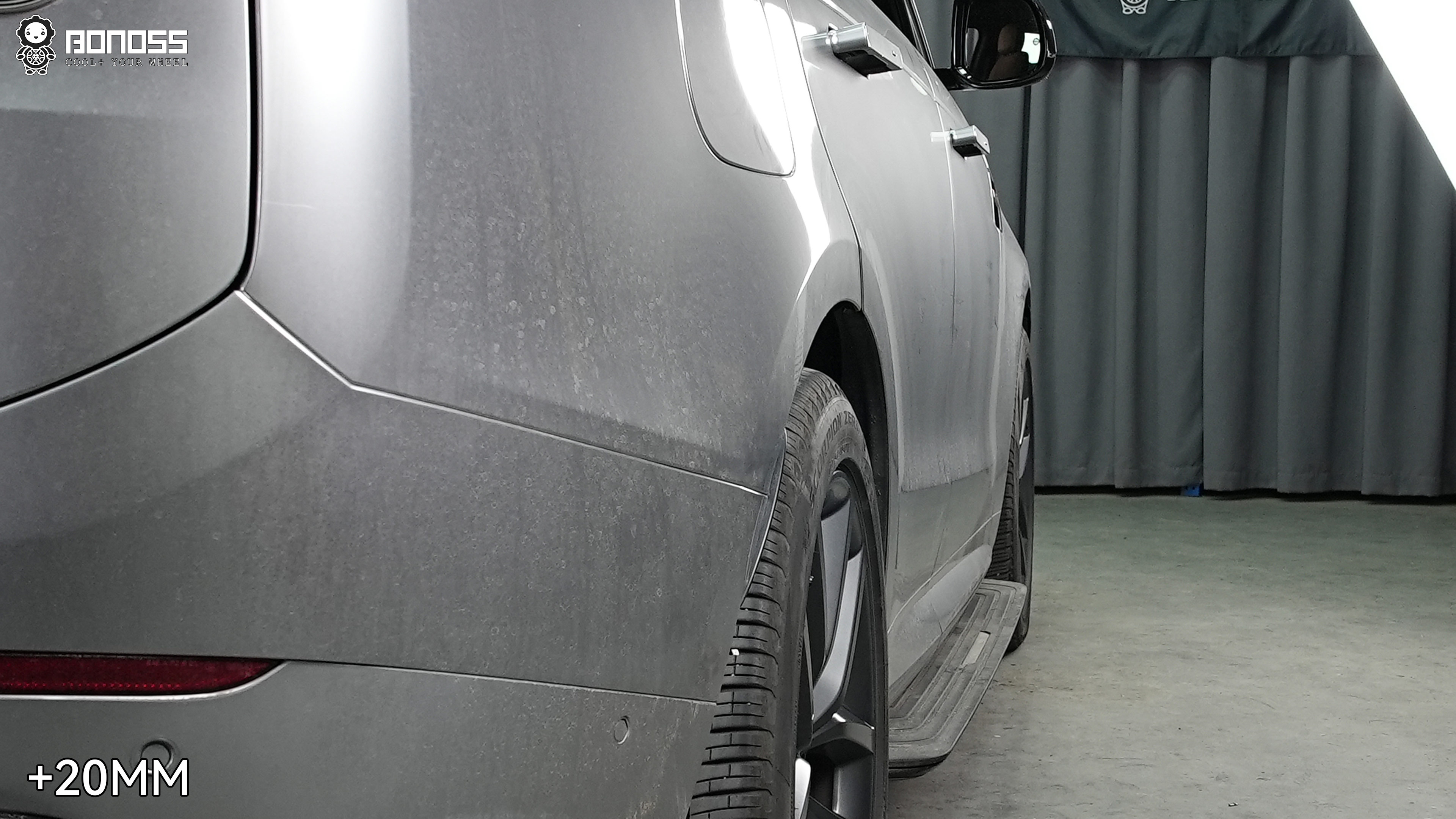
Step one was measurement, not guesswork. Before touching a single bolt, we measured the wheel fender clearance on all four corners with a high-accuracy ruler. This is the part most people skip, and it’s the part that separates a flush, even stance from a spacer setup that looks lopsided or pokes past the fender. The measurement told us that 15 mm up front and 20mm in the rear would bring the wheels out to a clean flush line without pushing past the arch.
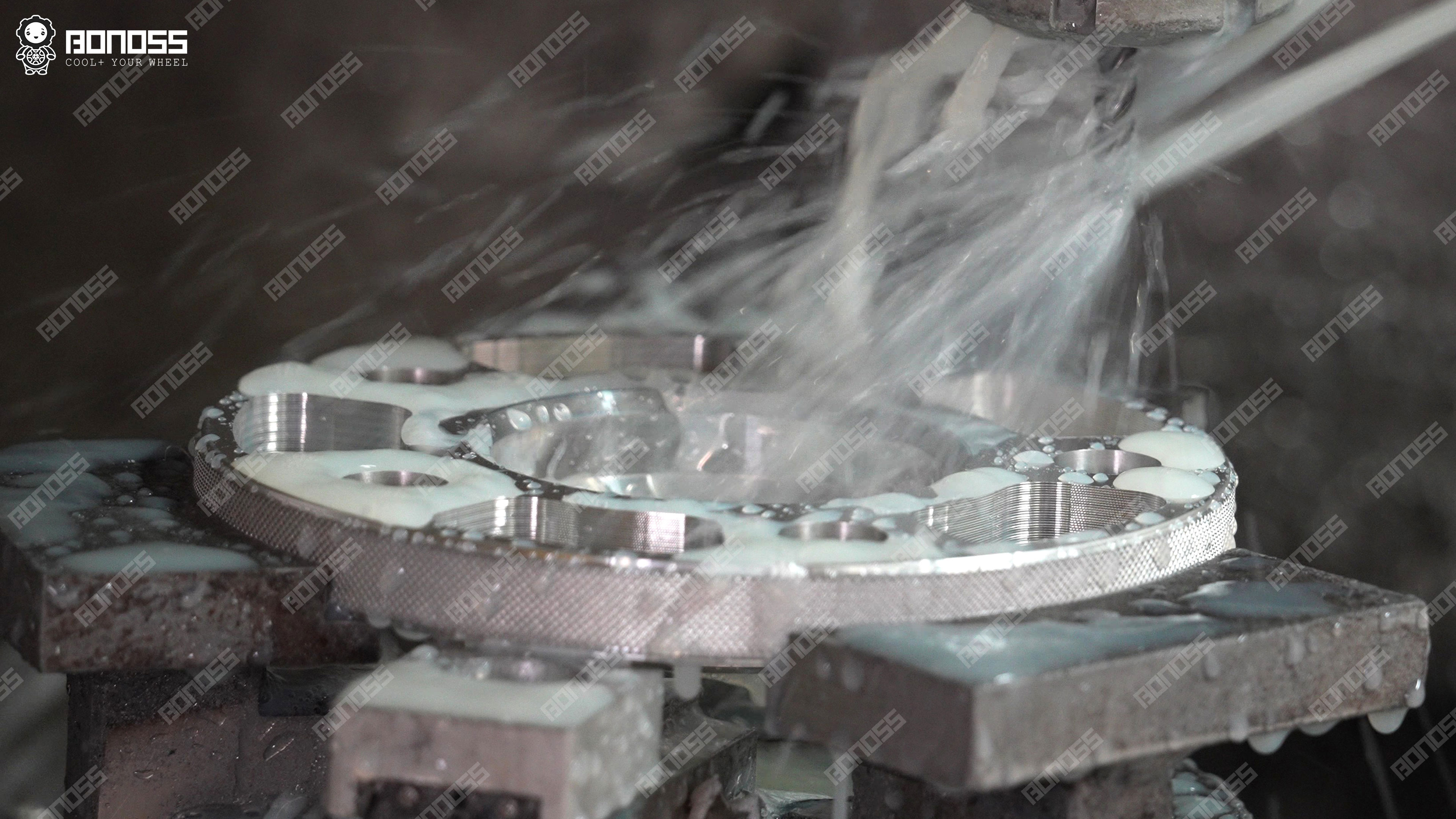
While the math is simple — 15mm and 20mm are spacers, not rocket science — the spacer itself is not a simple disc. Ours are forged, not cast, and they’re machined on CNC equipment. The lightweight plus design is exactly what it sounds like: less unsprung weight than a solid chunk of aluminum, without giving up strength where it matters.
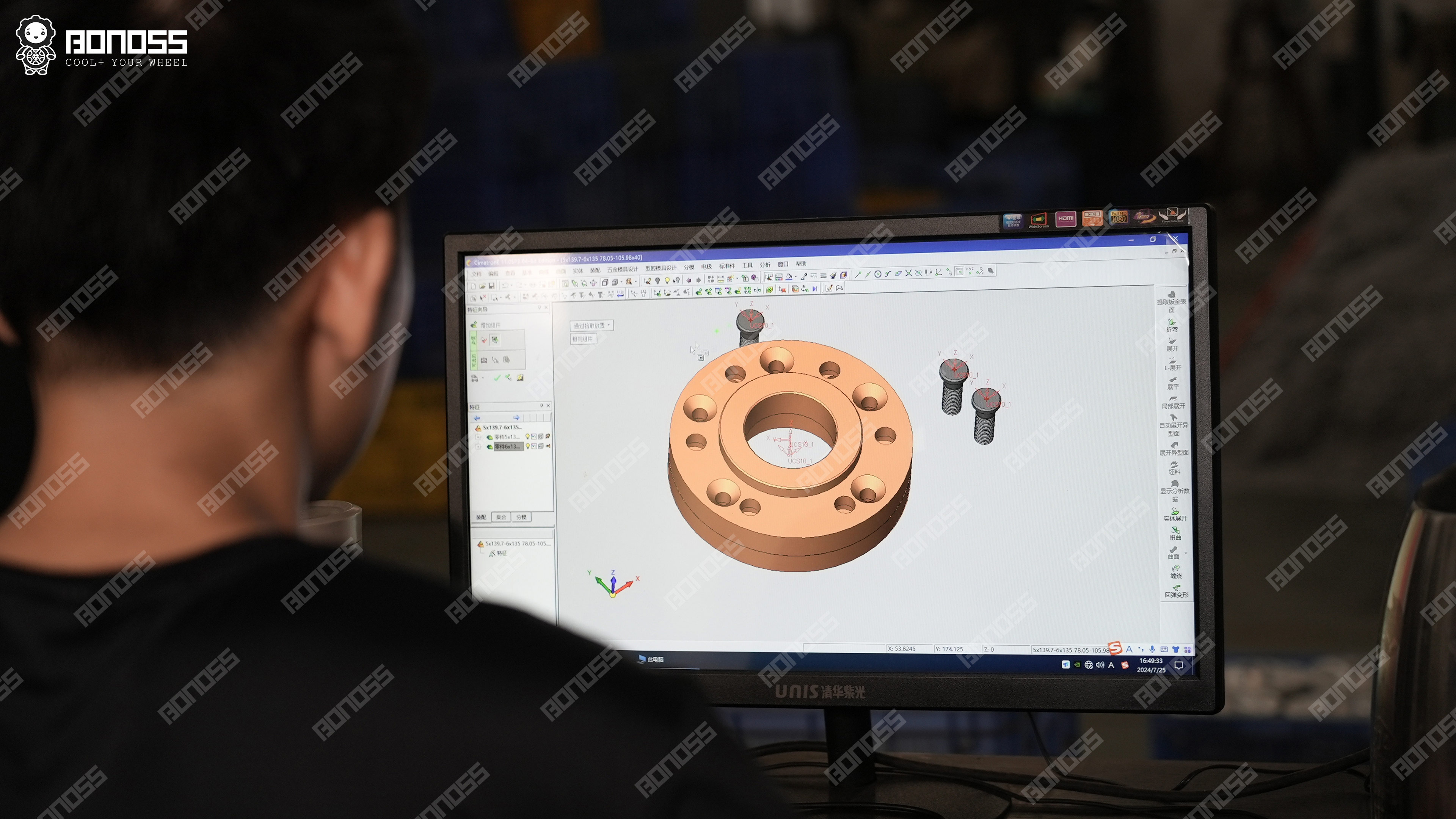
The fitment on this car has a specific quirk worth knowing about. The 2026 Range Rover Sport (L461) secures its wheels with bolts, not the nuts the older generations used. That changes the whole approach. On this wheel hub, you can’t just reuse the factory bolts — the factory M14x1.5 bolts only have 27mm of thread, and once you add a spacer, there isn’t enough bite left to be safe.
So we did two things. First, we recommended slip-on spacers paired with longer bolts — 42mm thread length for the 15mm fronts and 47mm for the 20mm rears. That’s the only correct way to do it on this chassis. Second, Matthew made a smart call: since we were swapping the bolts anyway, he upgraded to our ISO grade 12.9 shell-type wheel bolts in the honeycomb pattern, metal-gray. It’s a small detail, but against those wheels, it finishes the look properly.
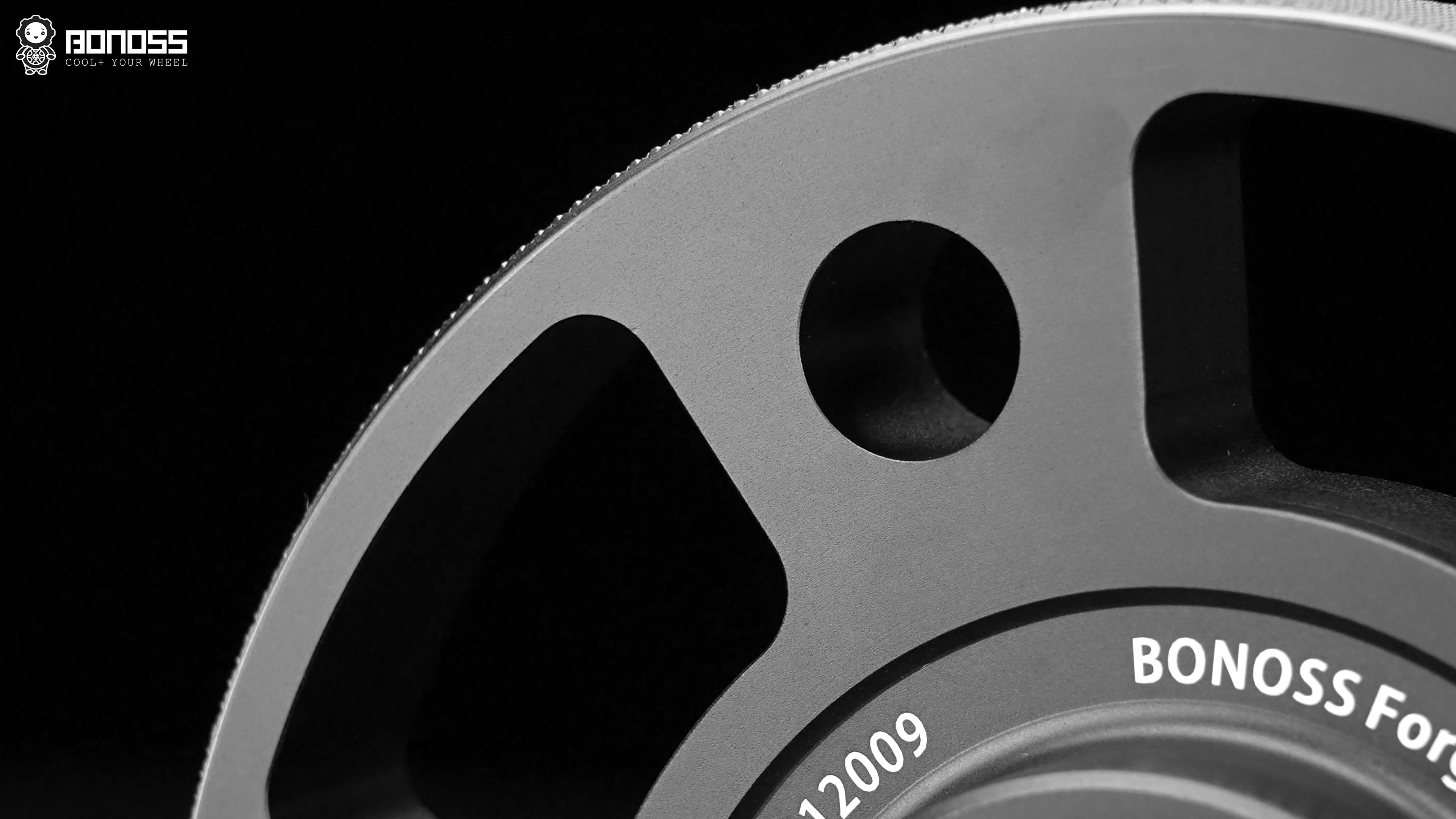
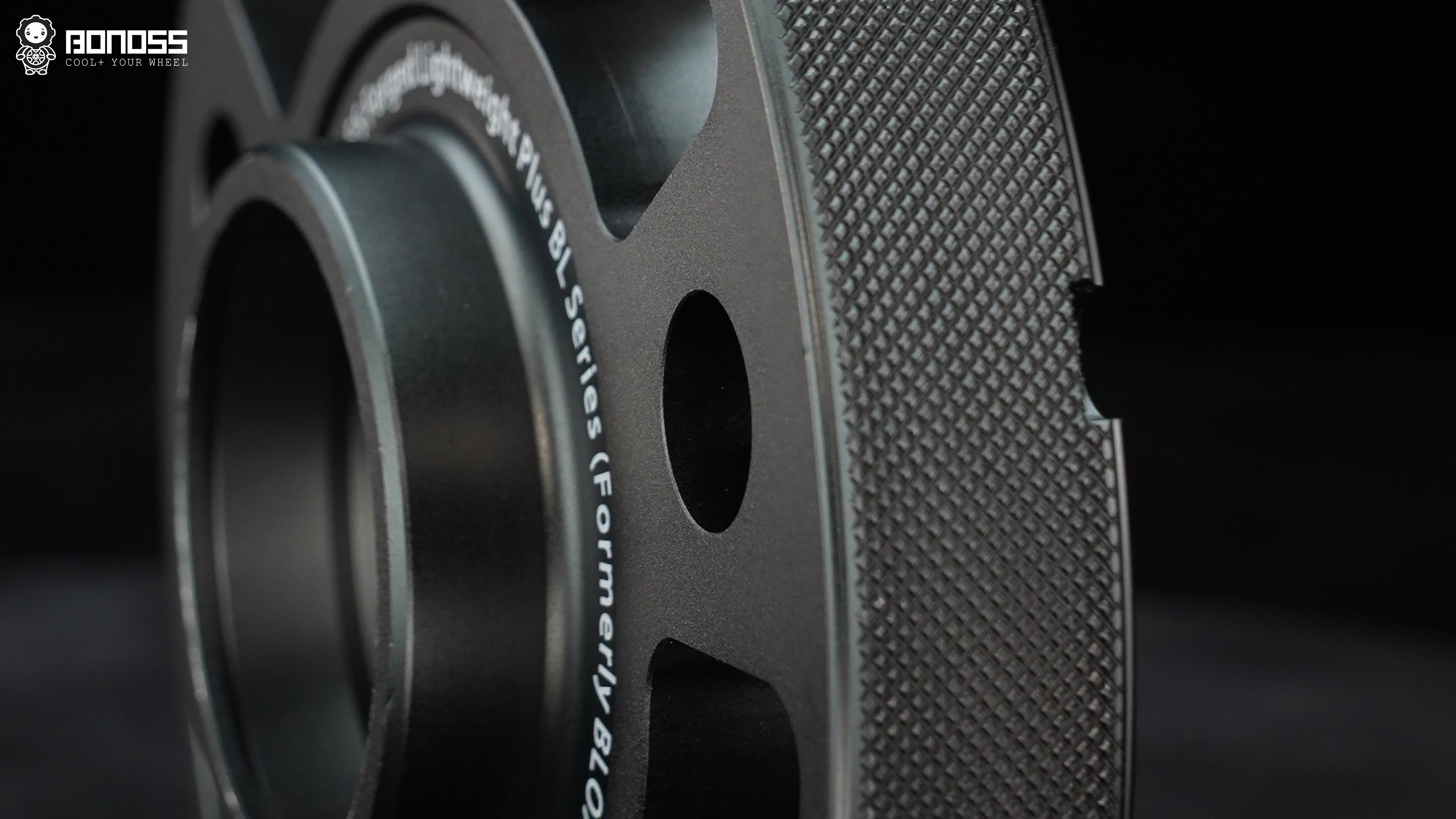
Then came the safety question, the one Matthew asked directly. I’m glad he did, because “are spacers safe?” deserves a real answer, not a shrug. We walked him through the SGS TÜV reports on the actual hardware. If you’d rather skip the numbers, here’s the plain-English version: the bolts are tested to a tensile strength of 1268 MPa, and the 6061-T6 aluminum flange body to a hardness of 101–103 HBW.
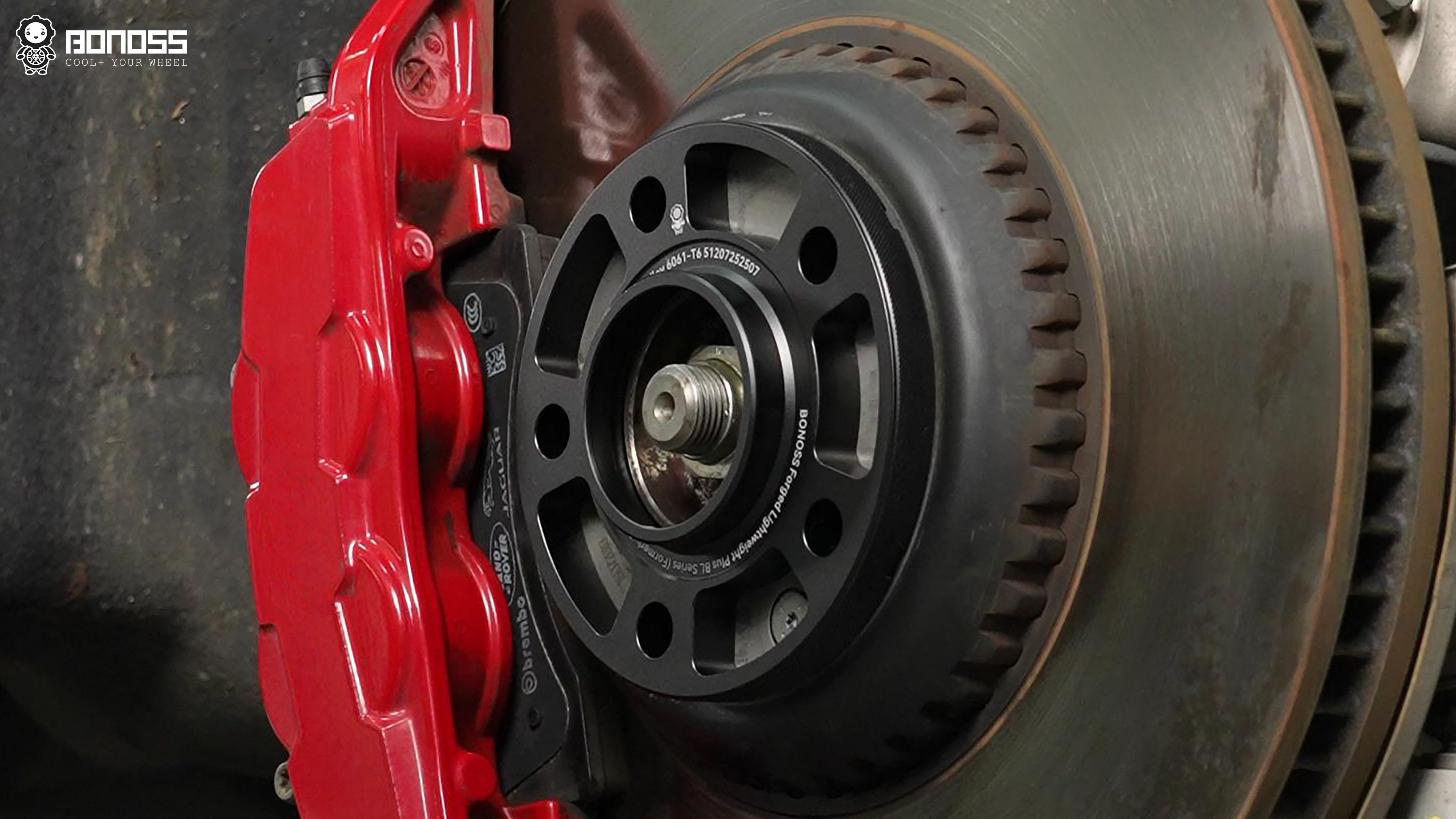
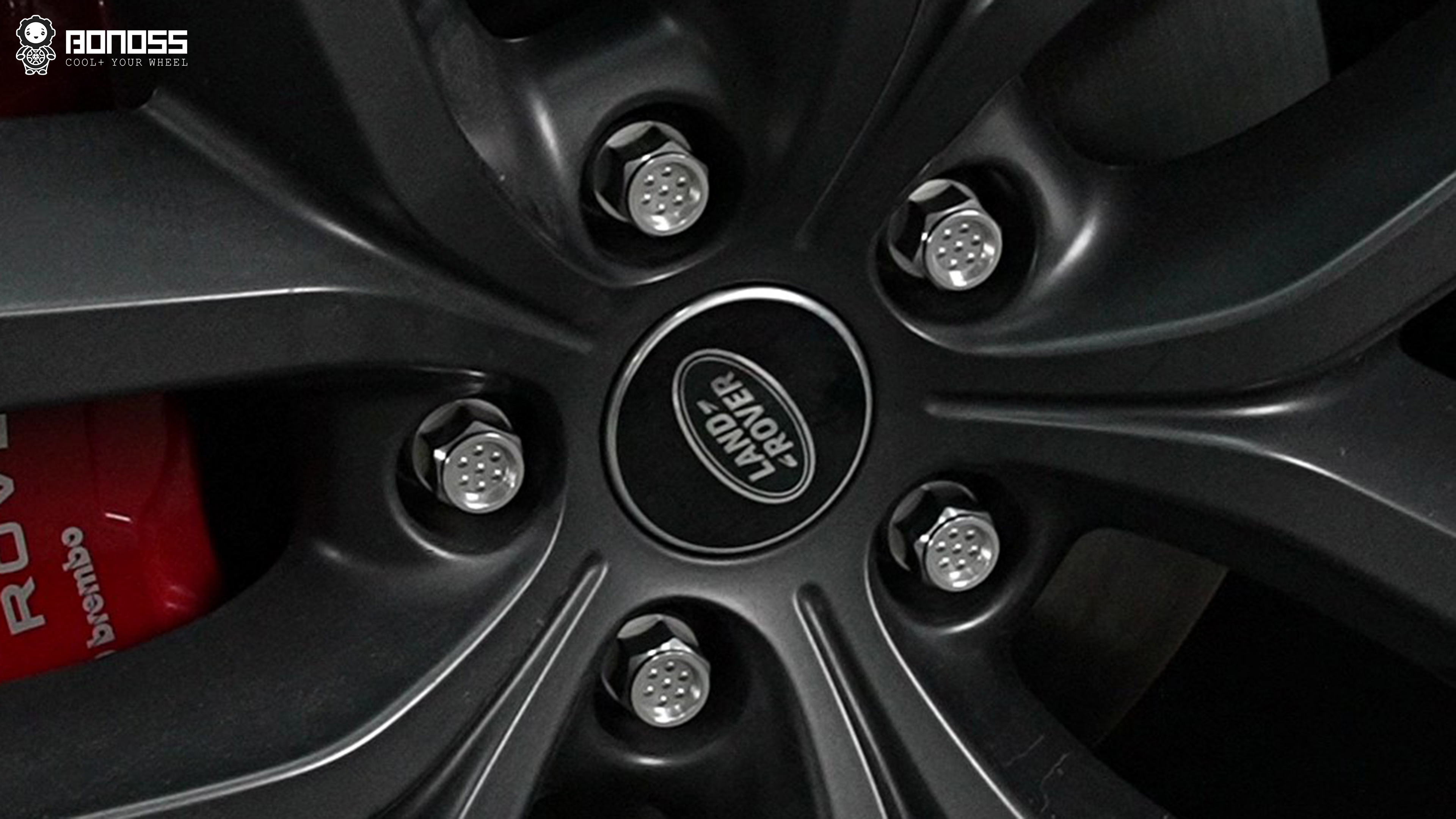
What does that mean for you? The bolts won’t snap under load, the nuts won’t strip when torqued, and the aluminum body won’t crush or deform when everything is clamped down. High-strength spacers and high-strength wheel bolts simply don’t fail the way cheap cast parts do, which is why a properly installed set is safe even if you use the truck for off-roading.
One honest caveat, because I don’t want anyone misreading those numbers: the bolt and the nut are tested to different metrics because they’re physically different parts — different thread sizes, different jobs. A tensile strength measured in MPa on a bolt isn’t the same unit as a proof load measured in kN on a nut. Don’t compare them head-to-head like they’re the same test. The full reports are on our site, and that’s where you should look if you want the exact figures.
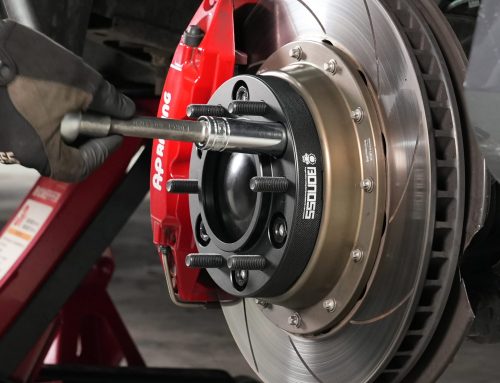
With the measurement confirmed and the hardware sorted, the install itself was quick. Wheels off, hub faces cleaned, spacers seated onto the hub-centric lip. Since we switched to BONOSS extended wheel bolts, we use the BONOSS-recommended torque of 140 Nm rather than the OEM torque of 150 Nm in a star pattern. The whole job took about an hour, which is normal for a stock vehicle where nothing else has been touched. You can see the before-and-after for each corner below.
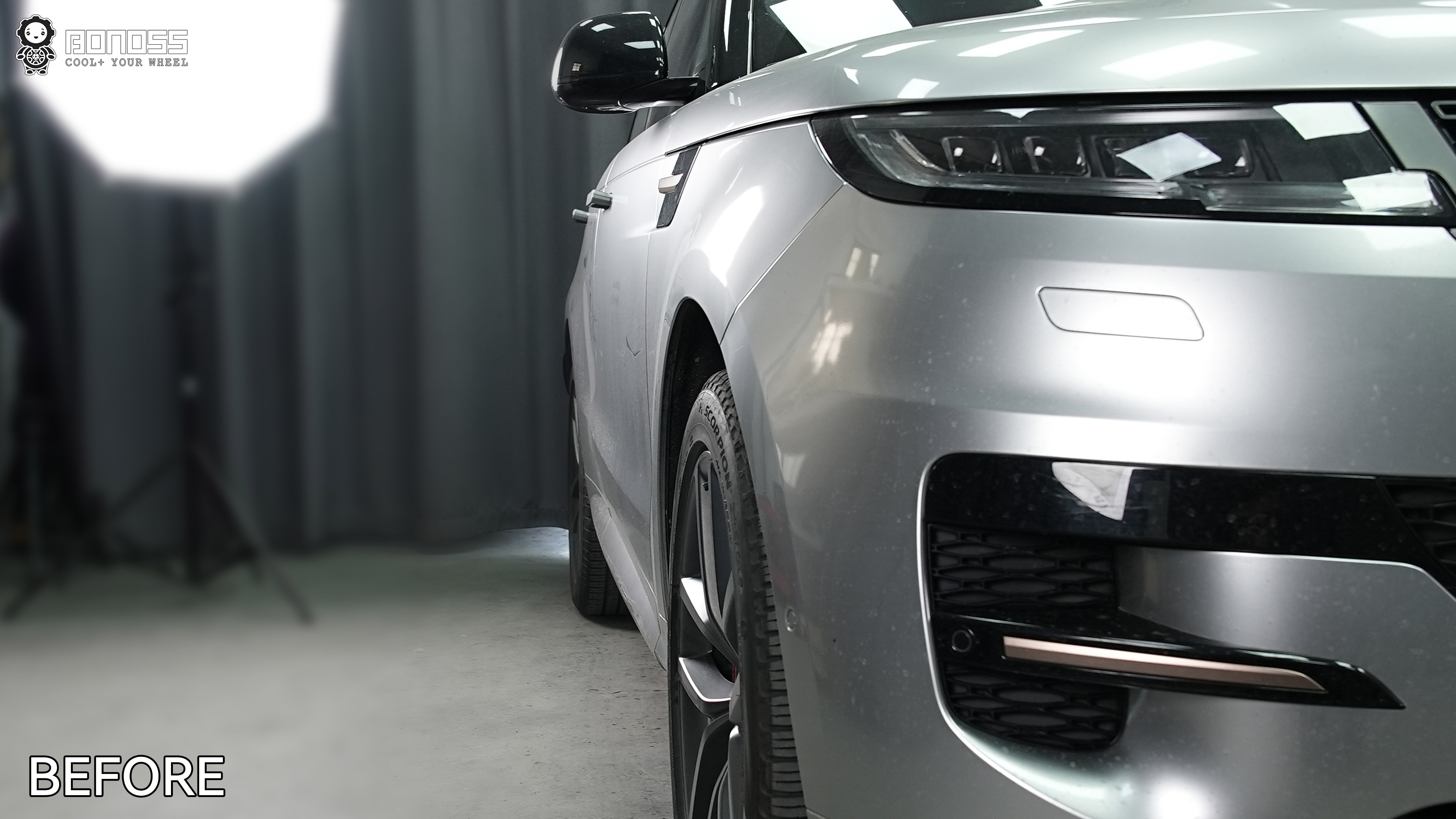
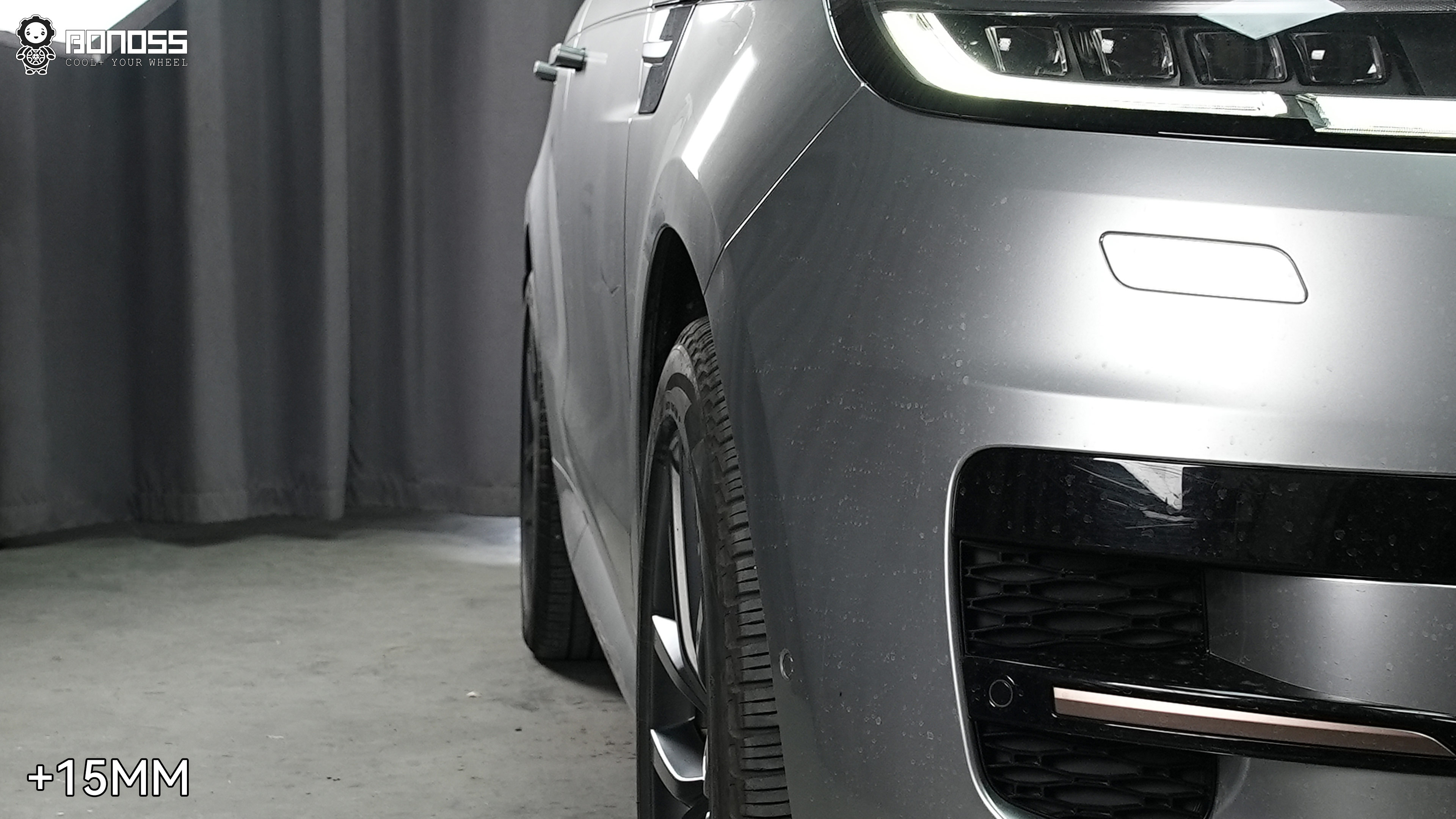
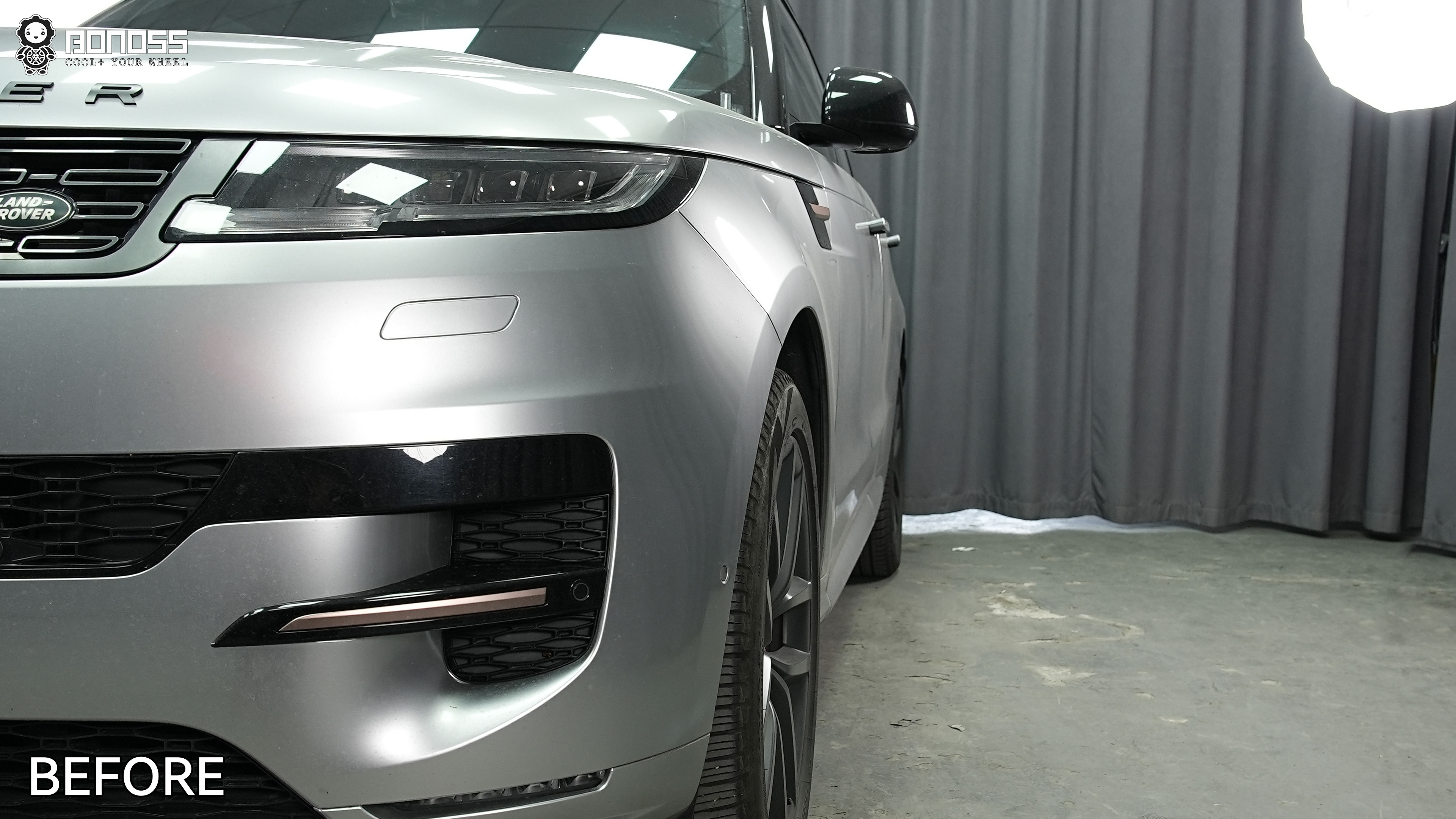
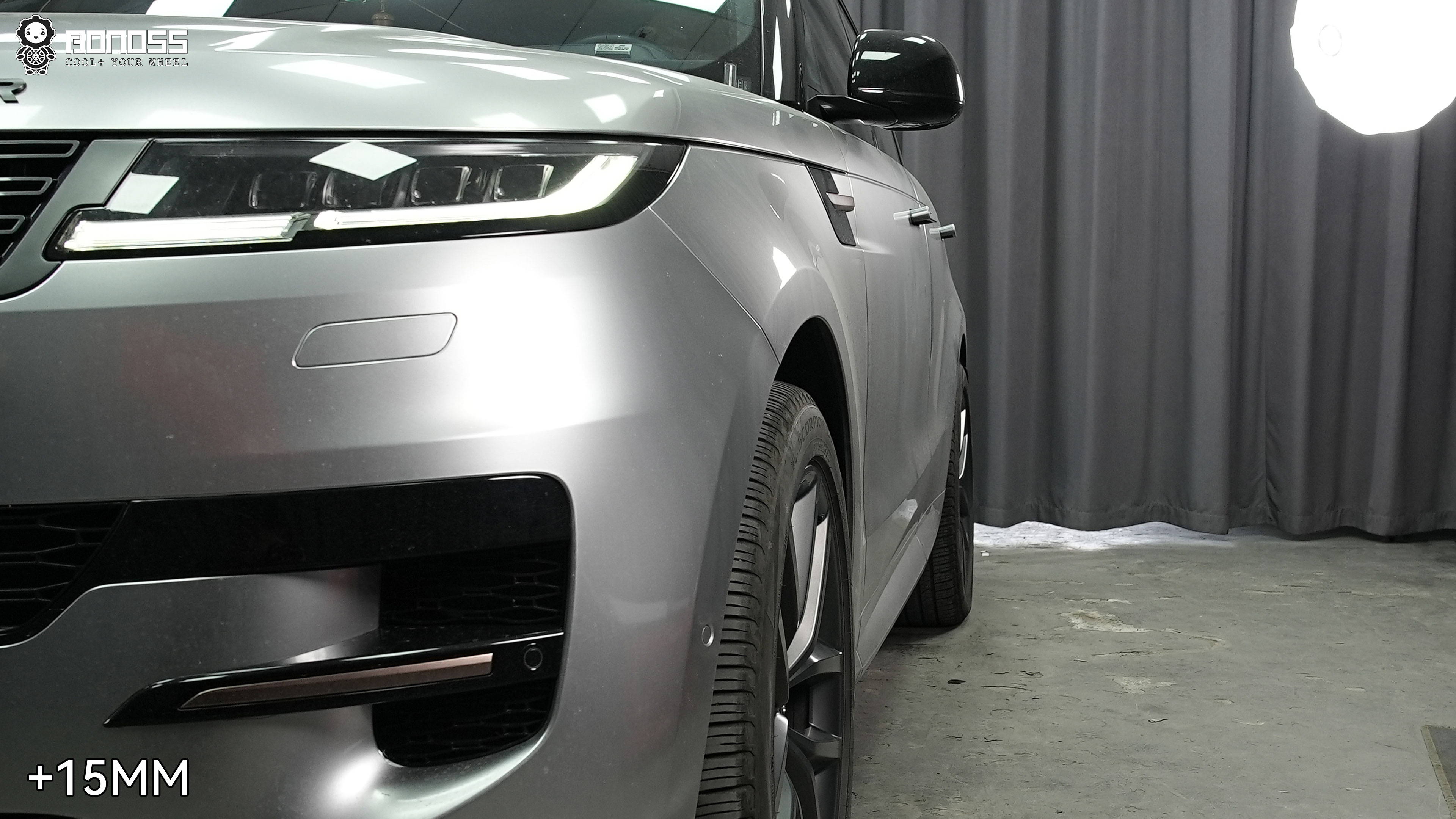
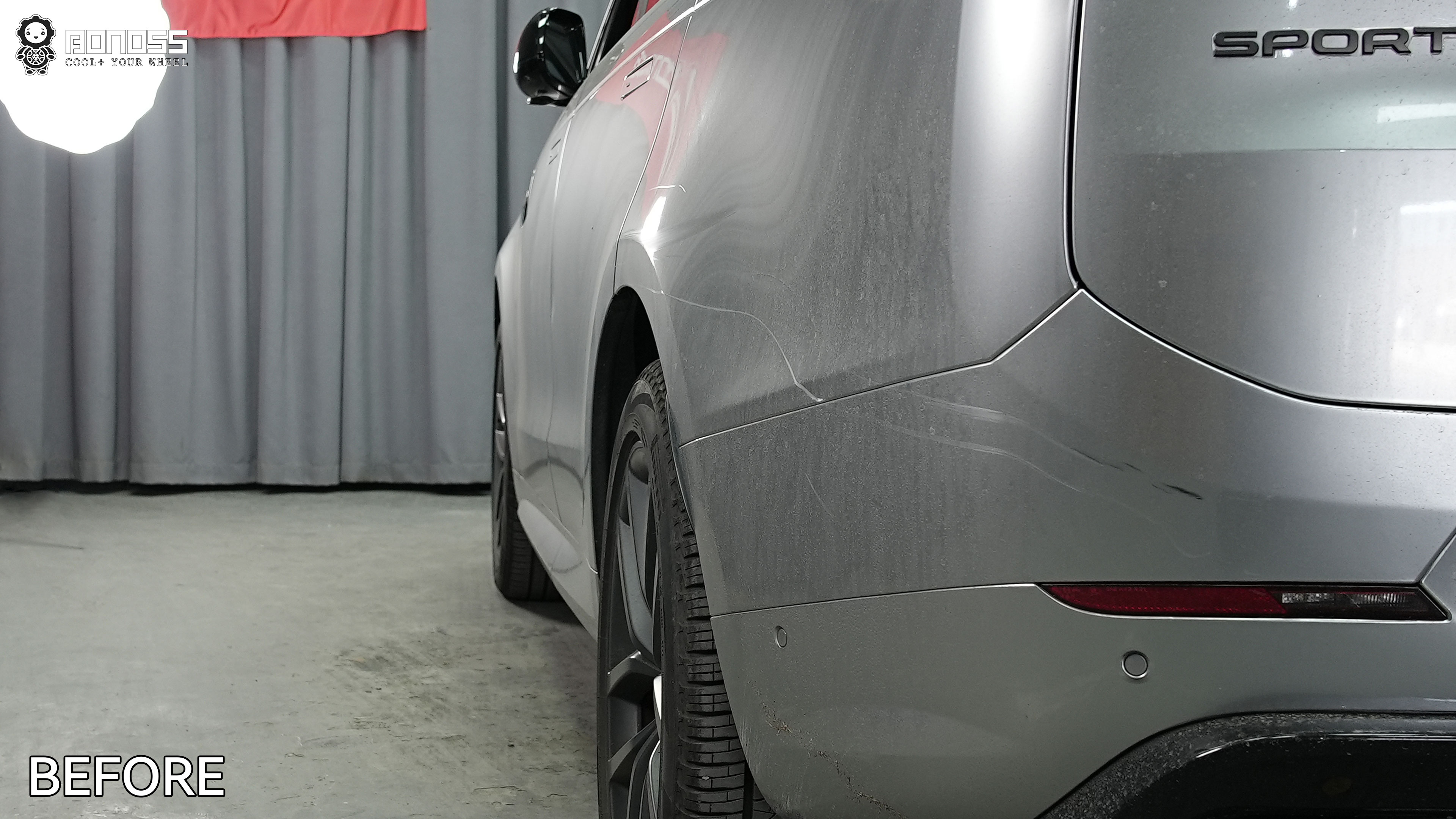
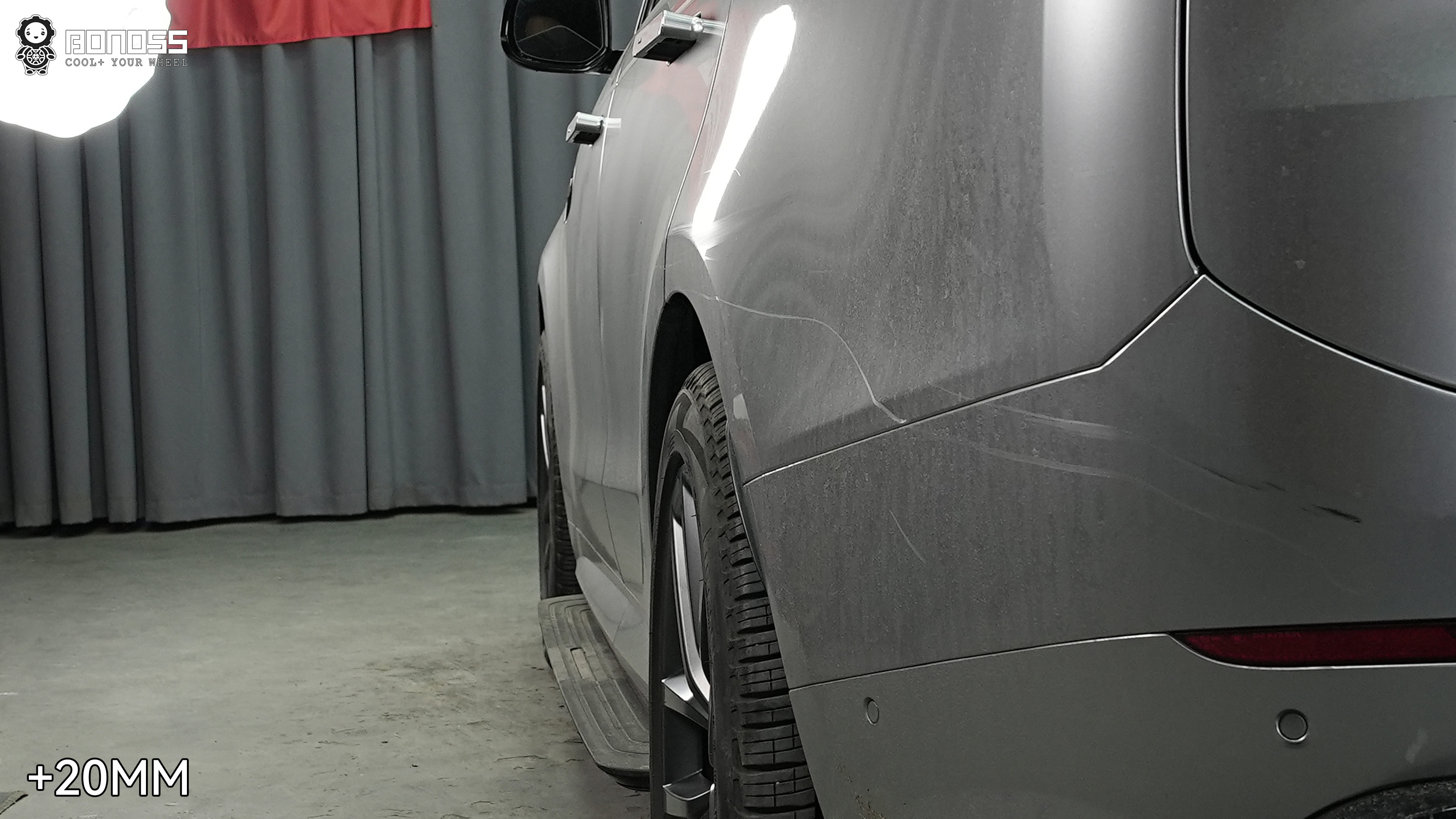
The Result, in Matthew’s Own Words
This is the part I won’t paraphrase, because a customer’s own words carry more weight than anything I could write. Asked how the car has felt since the install, Matthew said:
“6,700 miles in and everything still fits perfectly on my car. They’re a solid source for quality 2026 Range Rover Sport spacers. No rubbing, no weird noises. Love the flush look, and honestly, the price for the whole set was pretty reasonable.”
And on the whole experience:
“Awesome experience all around. These guys knew their stuff and were a huge help verifying fitment for my 2026 Range Rover Sport.”
“These spacers are awesome. Great finish, top-quality, and at a solid price. Installation was hassle-free, and they’ve worked great. Top-notch.”
I’ll add the one number that matters most to anyone still on the fence: $410 for the whole set, including the labor to install it. That’s not a spacer-only price — that’s parts and professional installation together. When you factor in that the hardware is forged, hub-centric, and comes with the 12.9 grade bolts, it’s a fair deal for a fitment that’s been trouble-free for nearly seven thousand miles.
FAQ
What size wheel spacers do I need for a flush fit on a 2026 Range Rover Sport?
For the stock 285/45R22 wheels, we measured 15mm up front and 20mm in the rear to bring the wheels flush without poking past the fender. Every car can vary slightly, so measure the fender clearance on your own vehicle before ordering.
Are wheel spacers safe on a 2026 Range Rover Sport?
Yes, when they’re high-quality, hub-centric, and installed correctly with the right hardware and torque. Cheap cast spacers or reusing factory bolts is where the risk comes in. Always remember to pair slip-on spacers with properly sized extended bolts. We torque to 140 Nm (BONOSS recommended).
Do I need longer wheel bolts with my 2026 Range Rover Sport spacers?
Yes. The L461 uses wheel bolts, not nuts, and the factory M14x1.5 bolts only have 27mm of thread. For a 15mm spacer, you need about 42mm of thread length, and for 20mm you need about 47mm.
What is the 2026 Range Rover Sport bolt pattern, center bore, and wheel bolt size?
The bolt pattern (PCD) is 5×120, the center bore (CB) is 72.5mm, and the factory wheel bolts are M14x1.5 with a conical seat.
How much do 2026 Range Rover Sport wheel spacers cost installed?
This job came to $410 USD total, which includes both the spacers and the installation labor.
Will 15mm and 20mm spacers cause rubbing?
On a stock-height, stock-wheel 2026 Range Rover Sport, no. This setup has been through 6,700 miles with no rubbing and no unusual noises.
The Bottom Line
I’ll keep my position clear instead of hiding behind “your mileage may vary.” If you’re going to run wheel spacers on a 2026 Range Rover Sport, do it with a forged, hub-centric set, use correctly sized extended bolts, and torque everything to spec. Do that, and the result is predictable — a flush stance that drives exactly like the day it was installed. Cut corners on any one of those, and you’re rolling the dice on a two-and-a-half-ton vehicle.
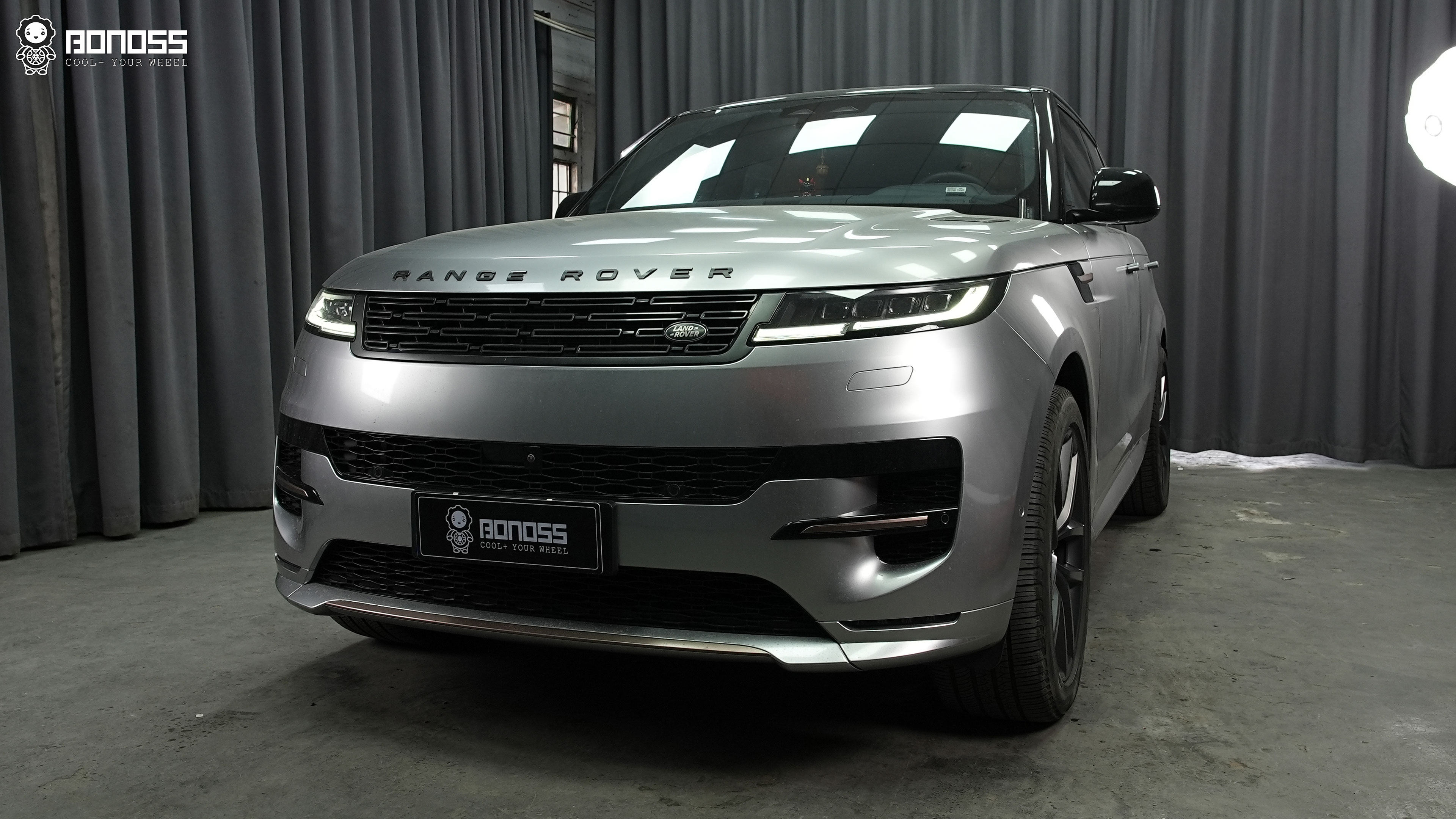
Matthew’s truck is proof that it works. We measured it, machined it, installed it, and he’s now 6,700 miles into a setup he’s happy with. If you own a 2026 Land Rover Range Rover Sport and want the same flush fit, that’s a job we do in about an hour.

About Daisy Harris
Daisy Harris has worked for 6 years at BONOSS as an automotive technician, installing and testing wheel spacers, wheel nuts, and wheel bolts. She has personally installed and verified more than 200 wheel-spacer setups across sport sedans, SUVs, and EVs. Her installation guides and reviews are built on real installs, measured clearances, and long-term wear notes — not on spec sheets.